Real specimens
Real dissections, labelled
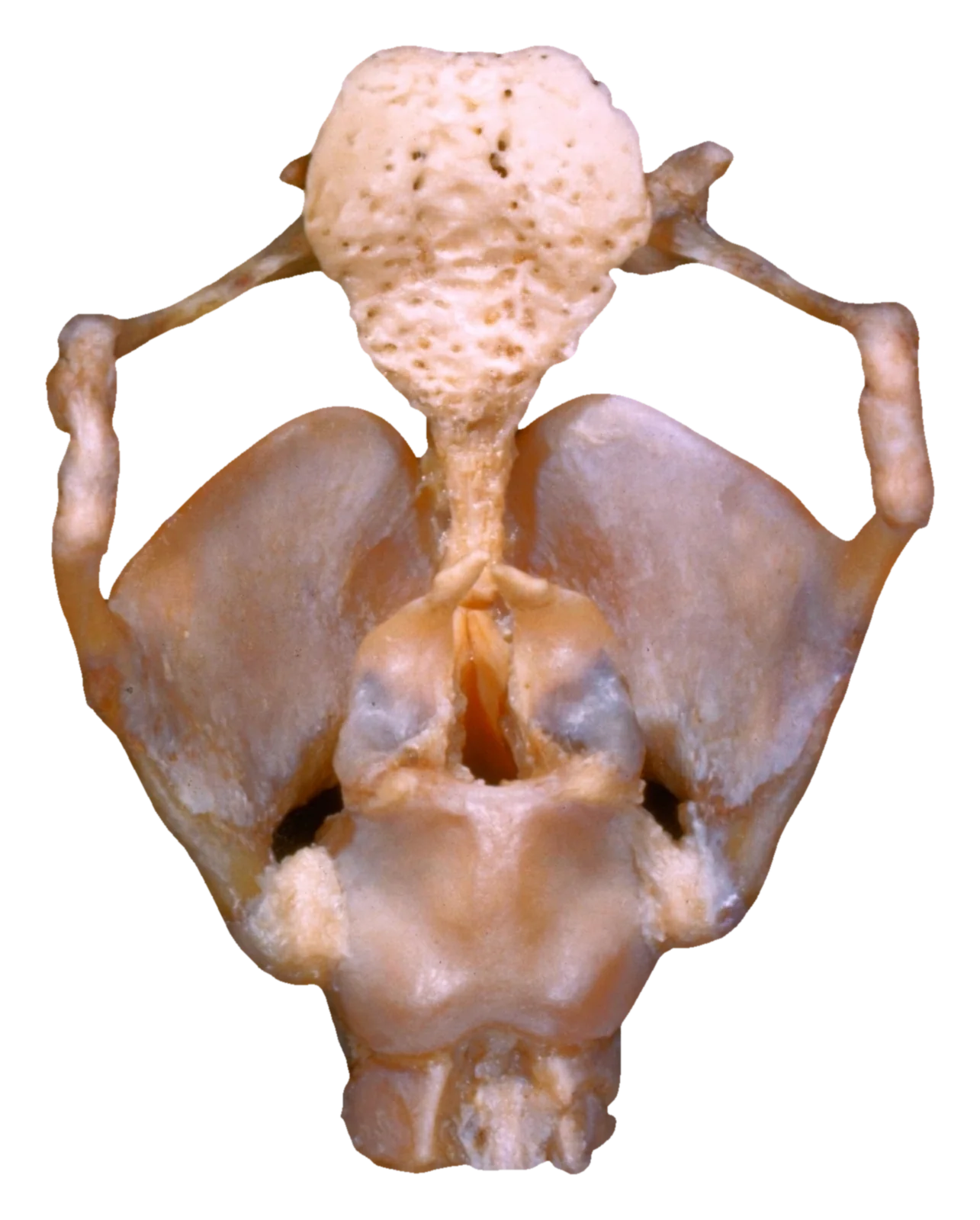
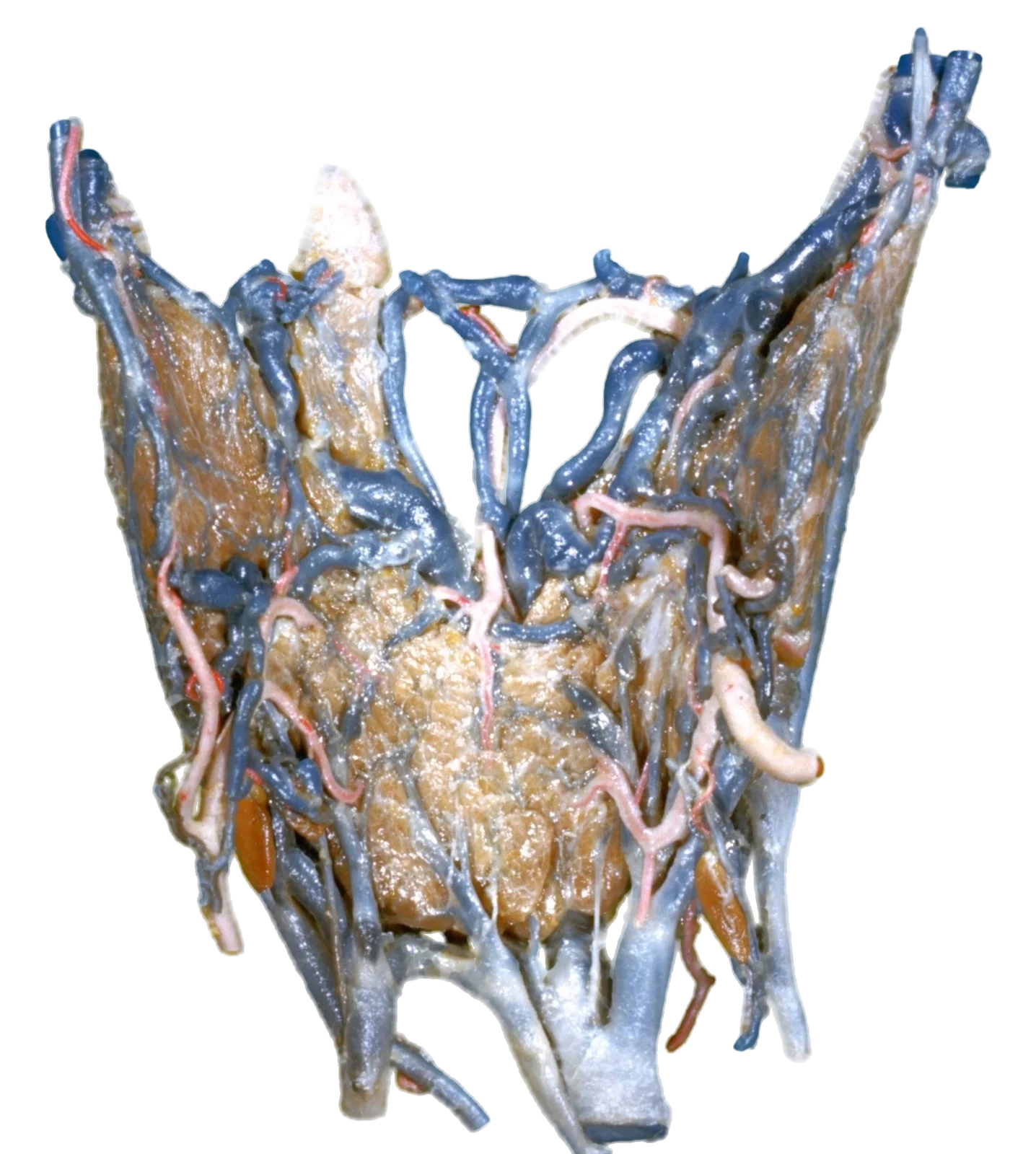
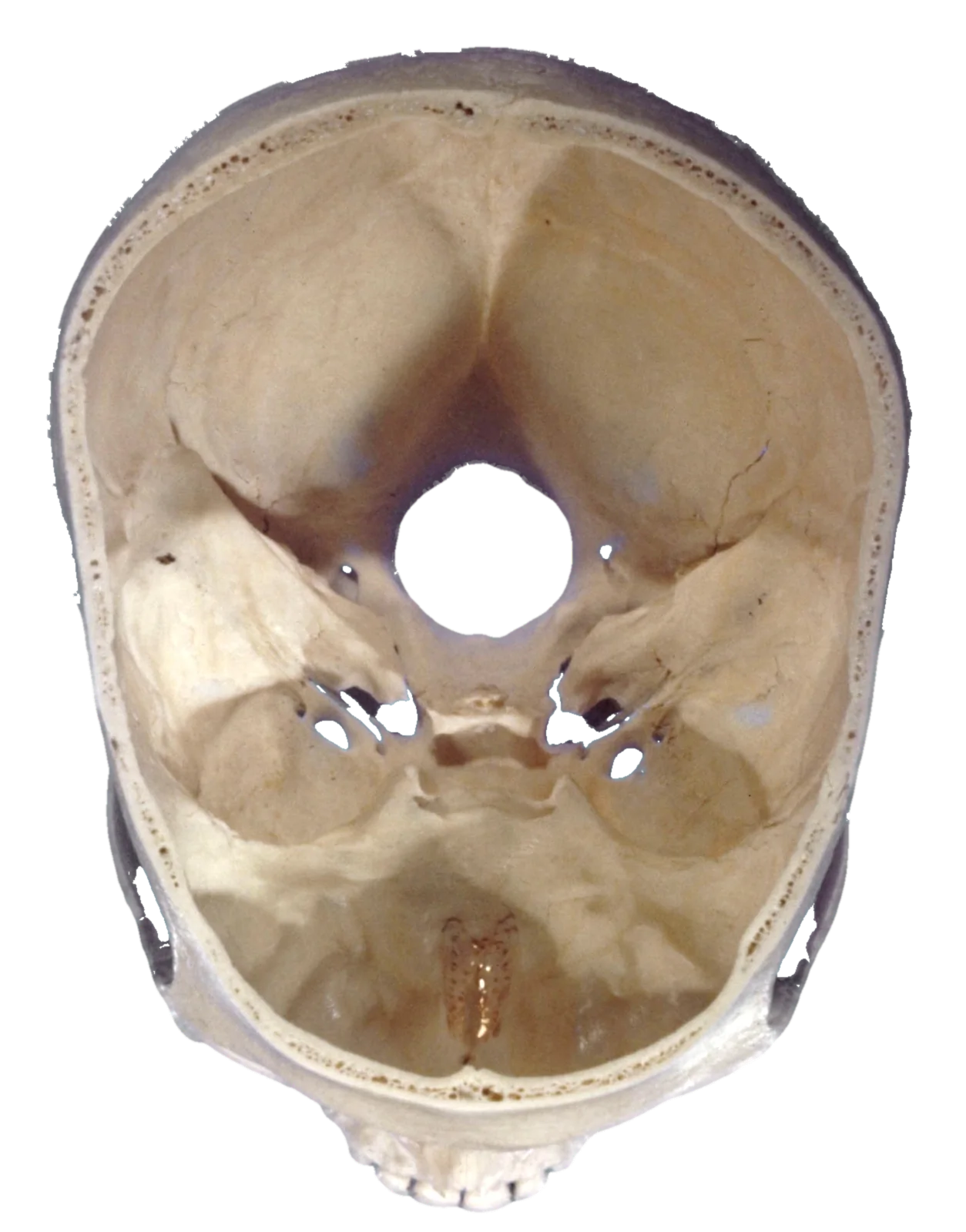
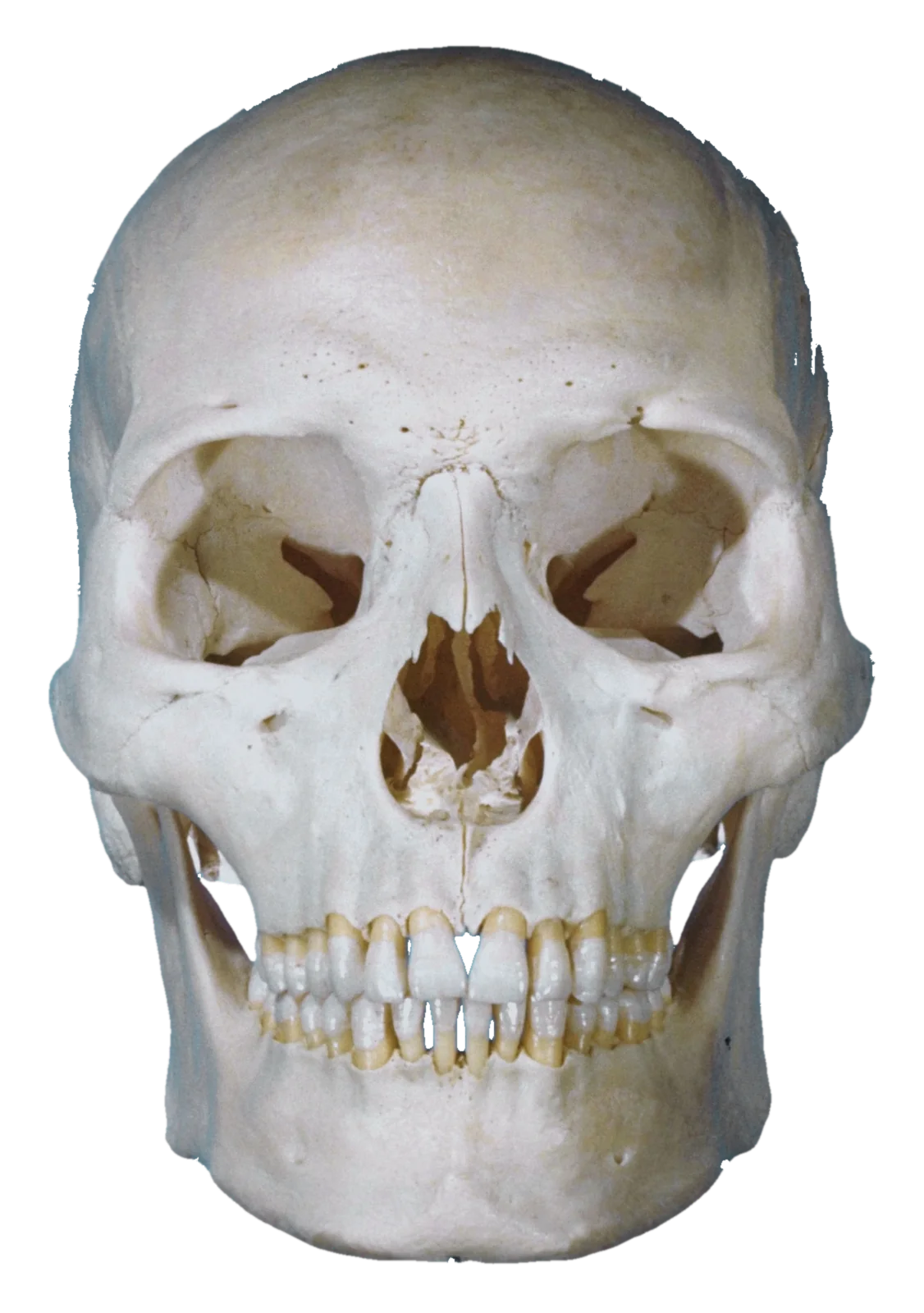
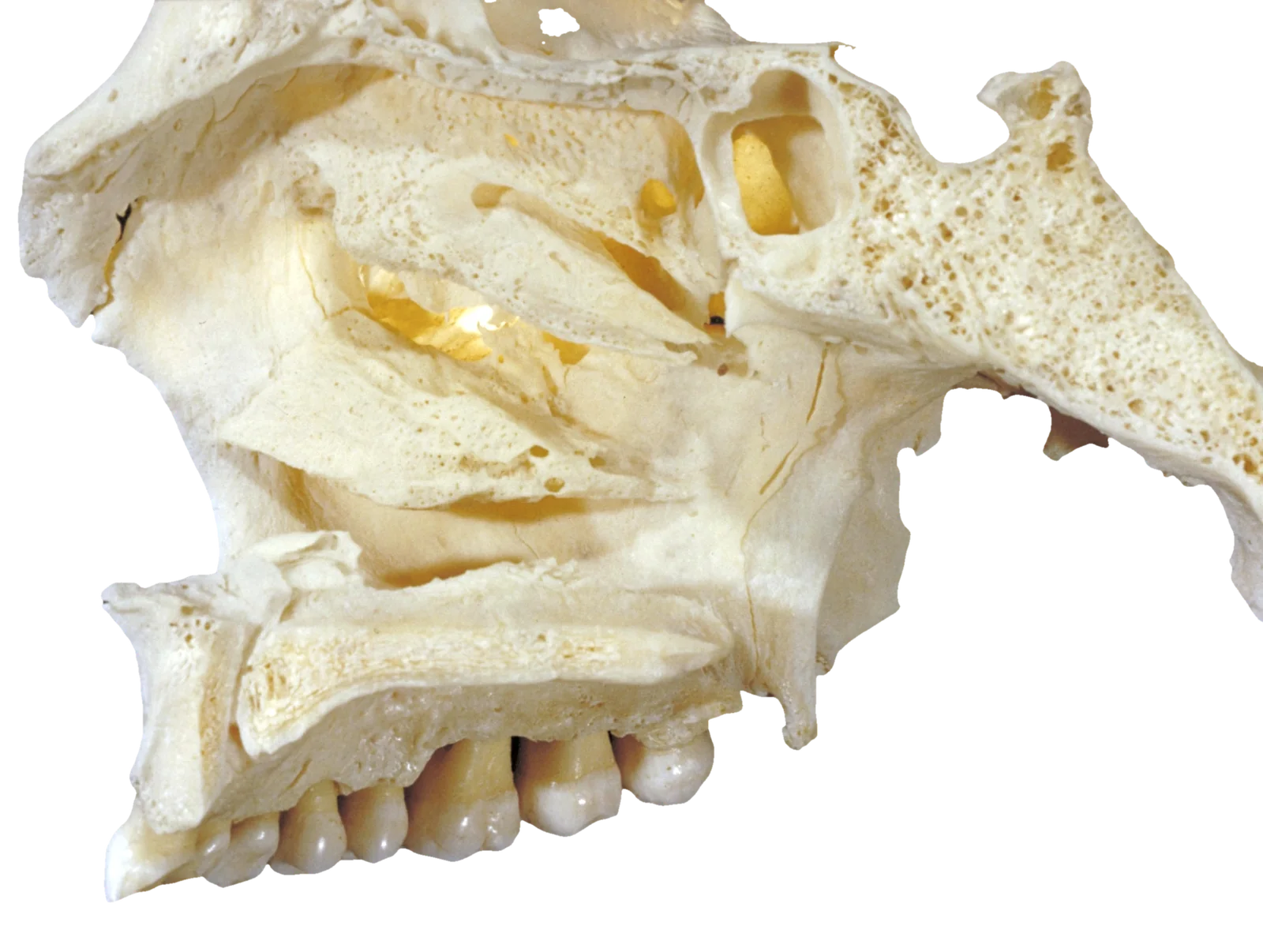
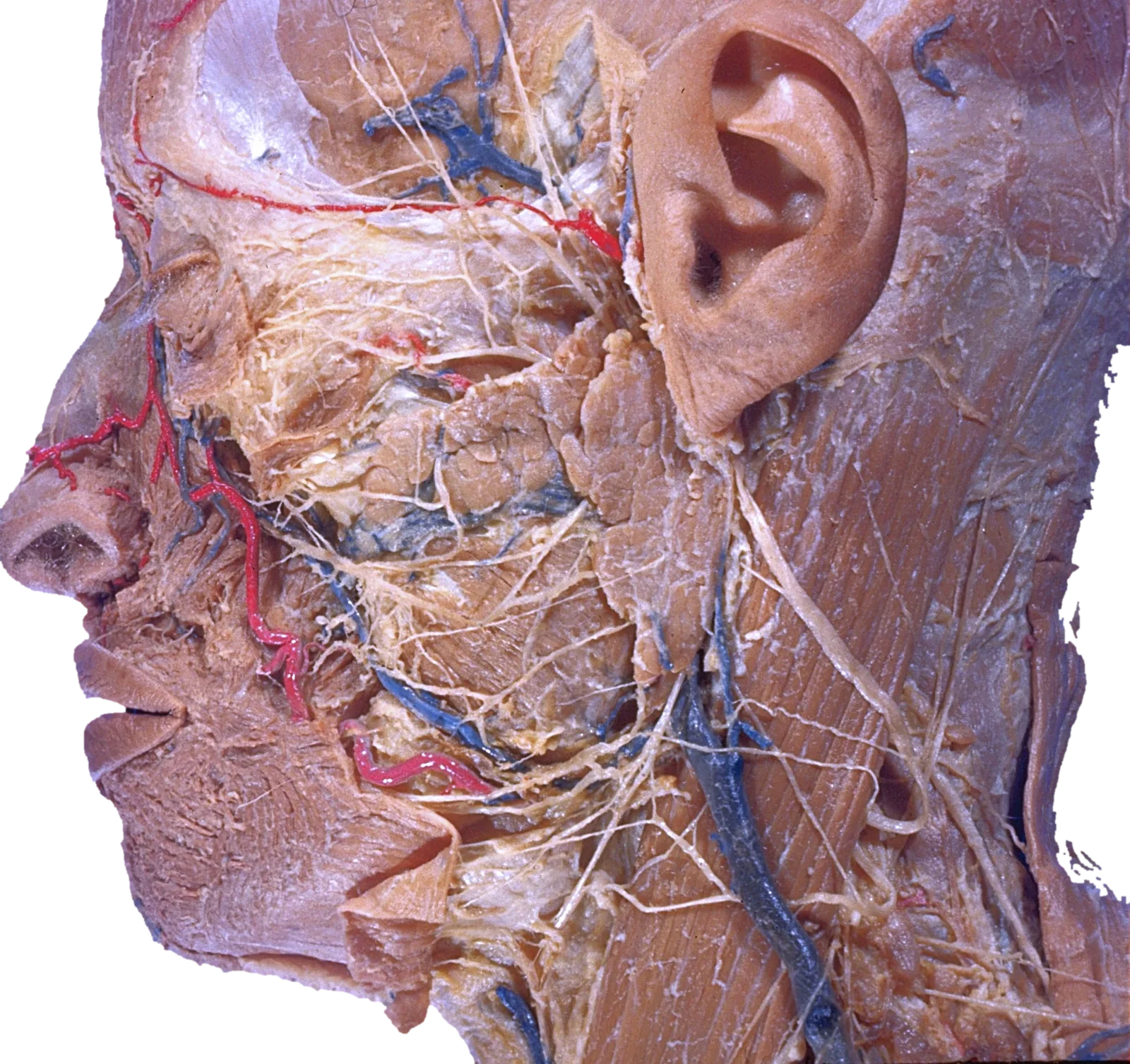
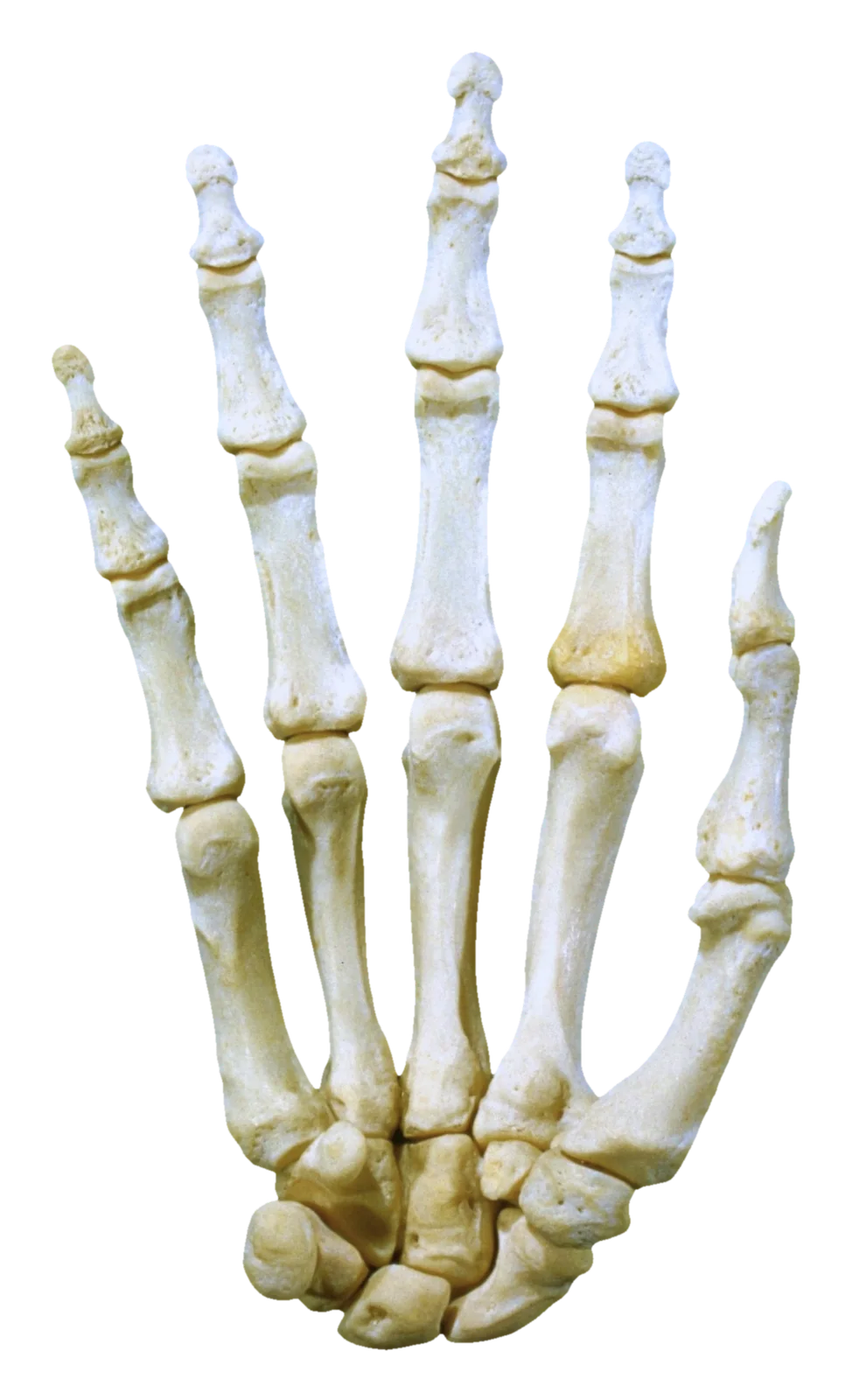
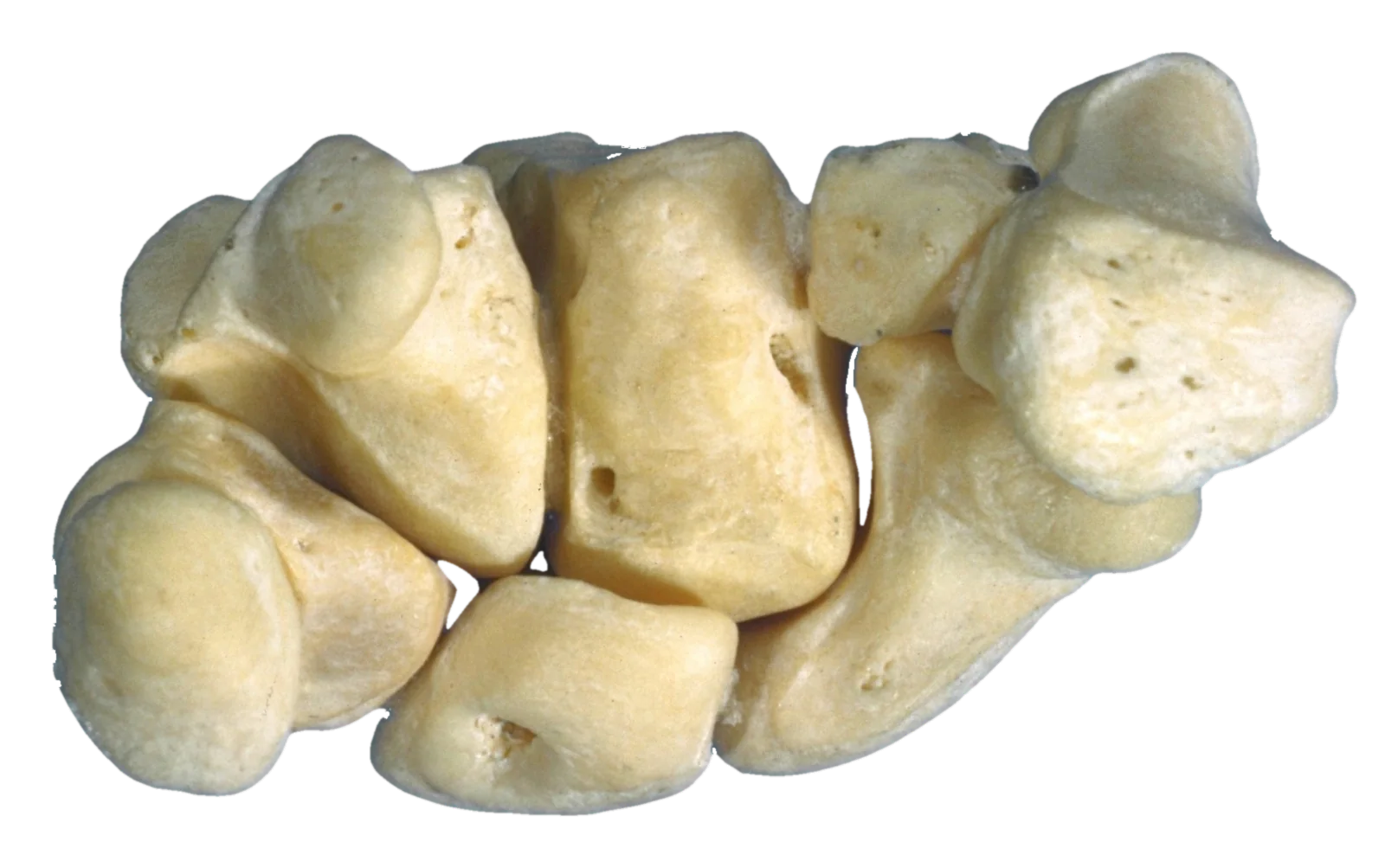
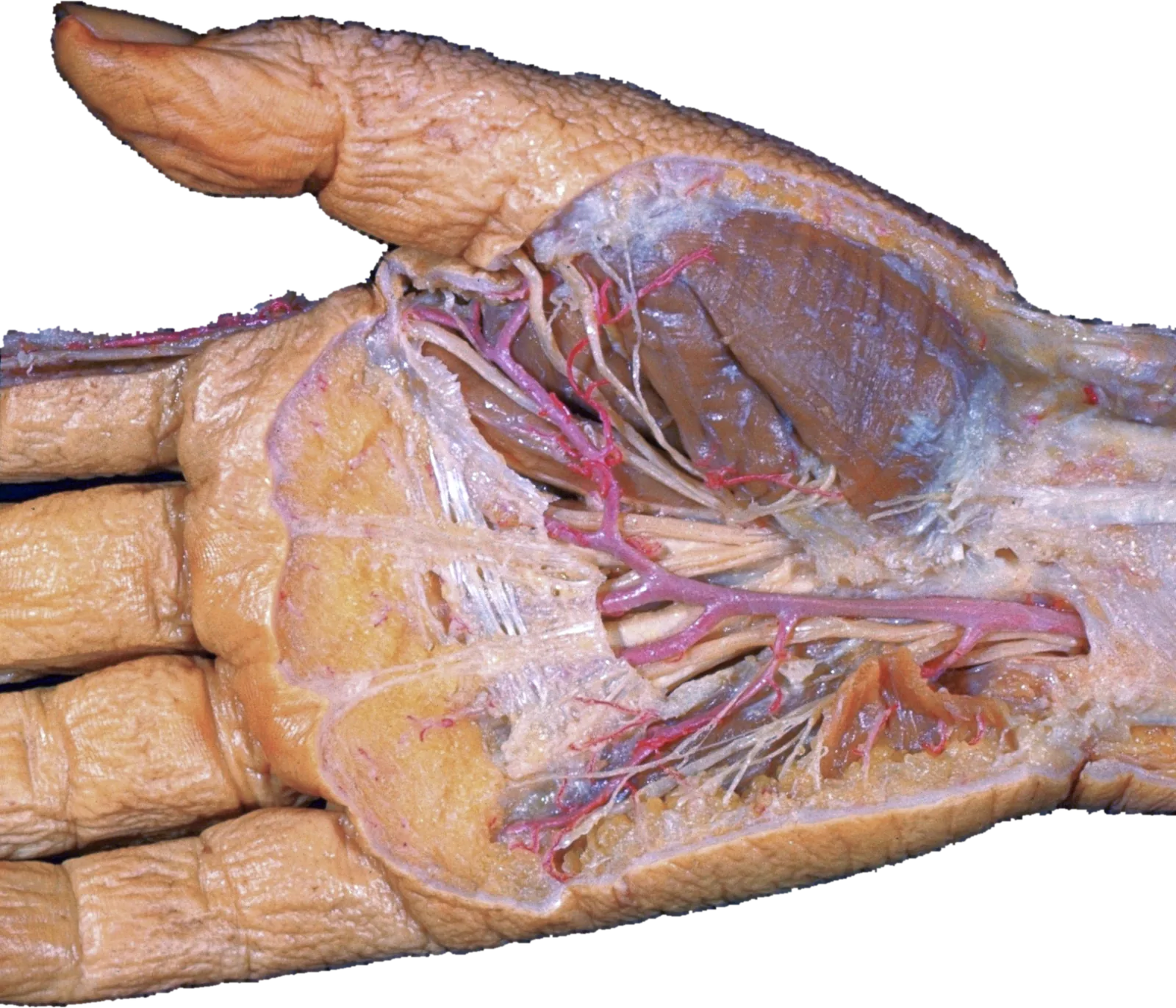
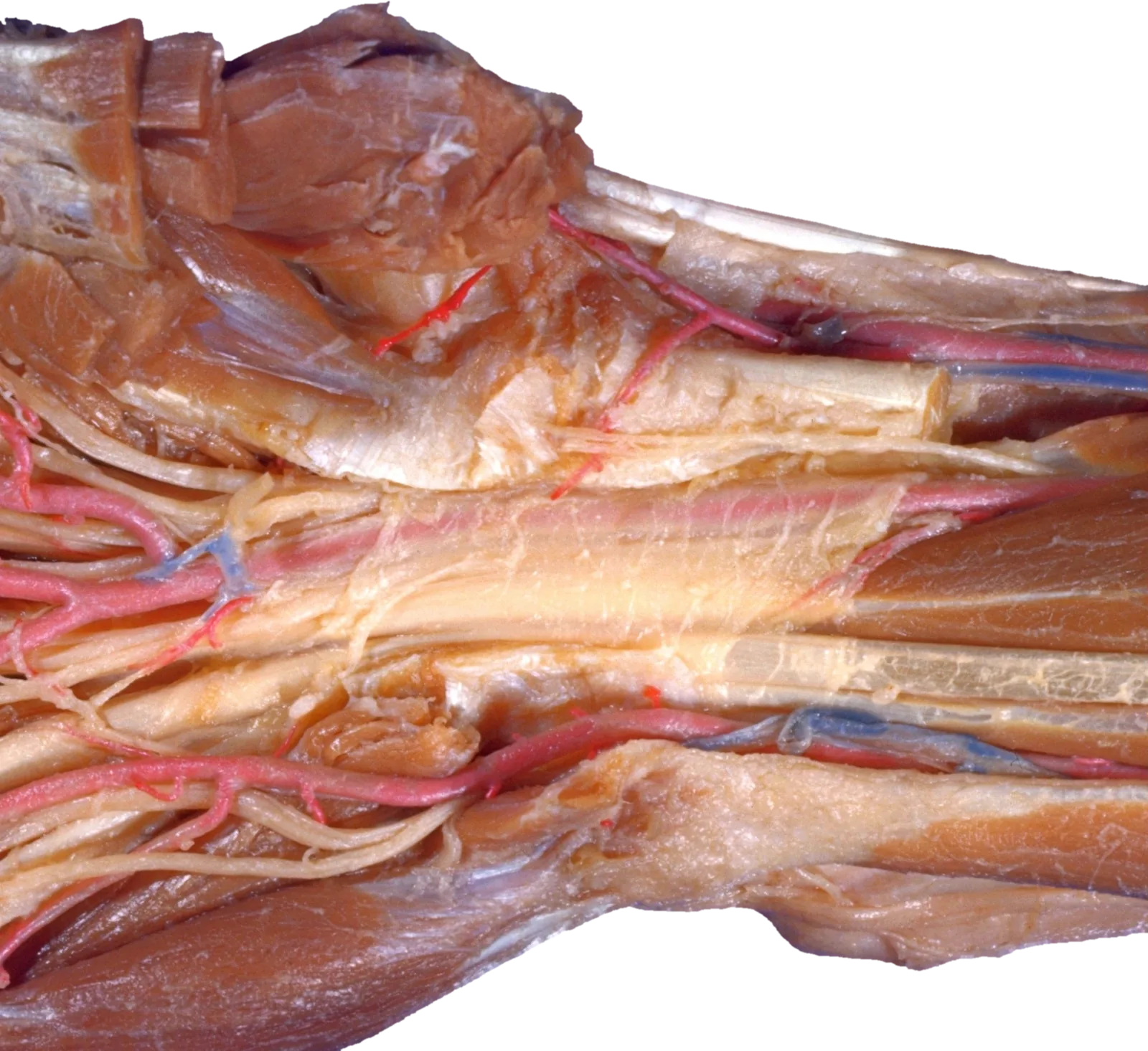
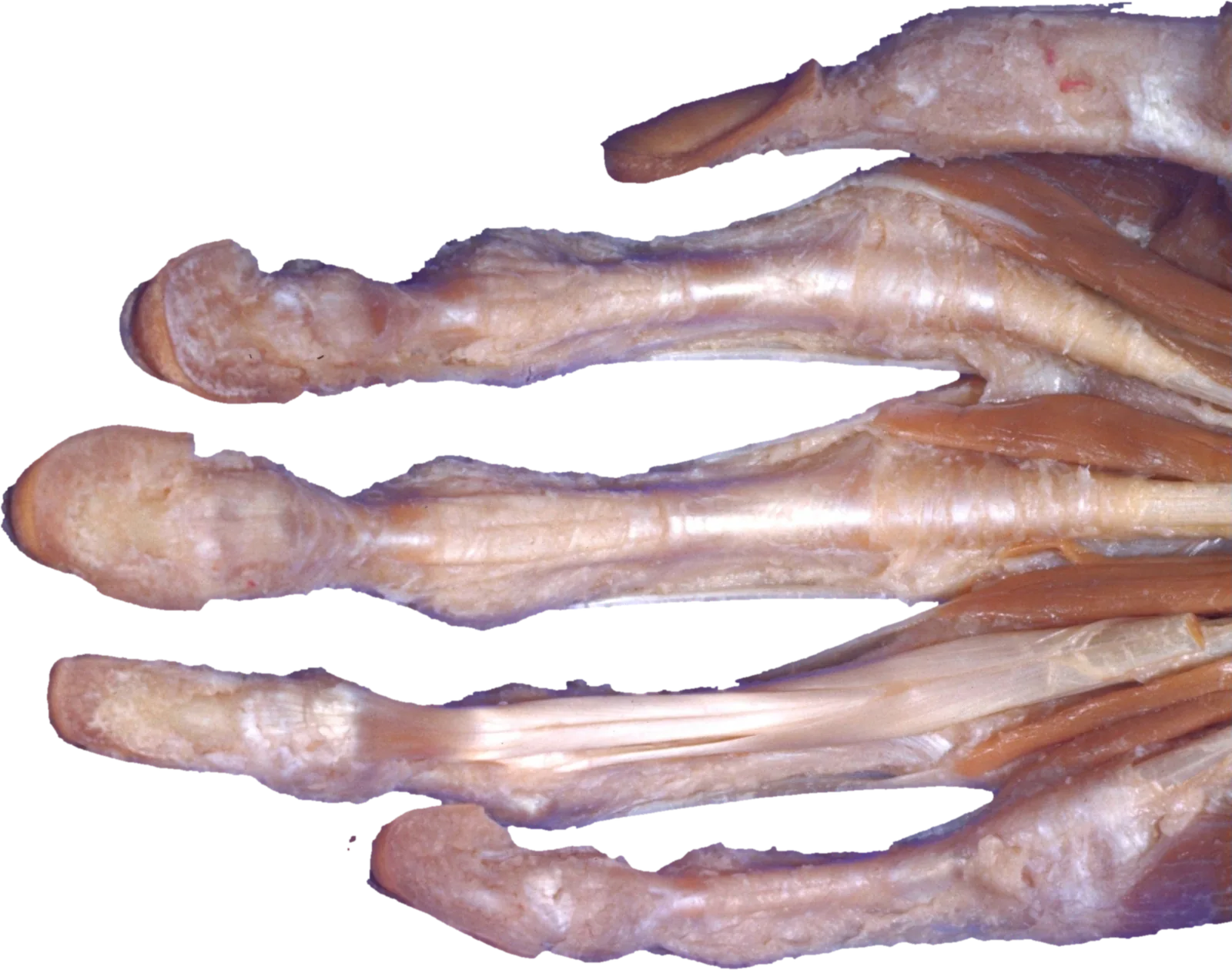
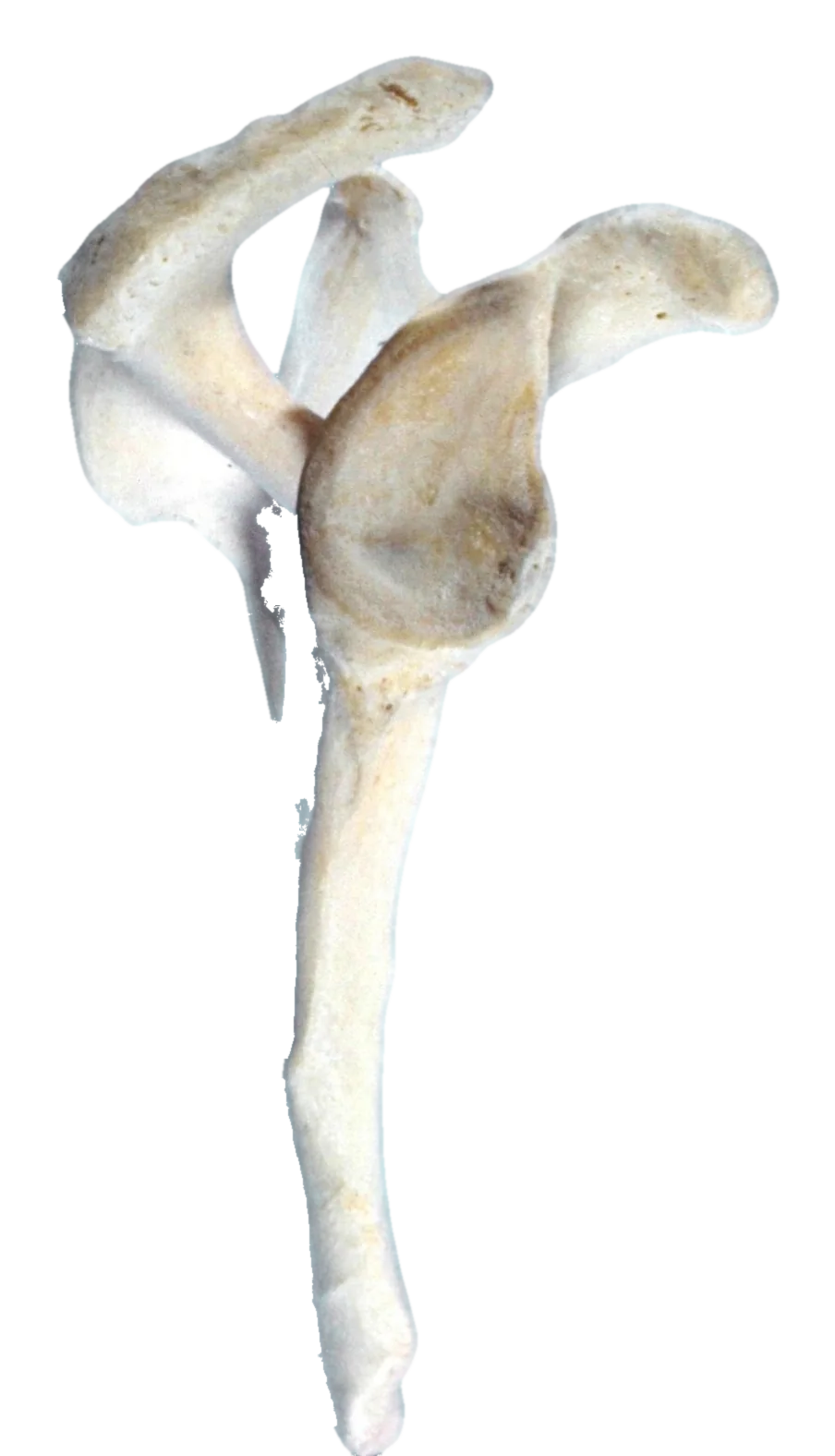
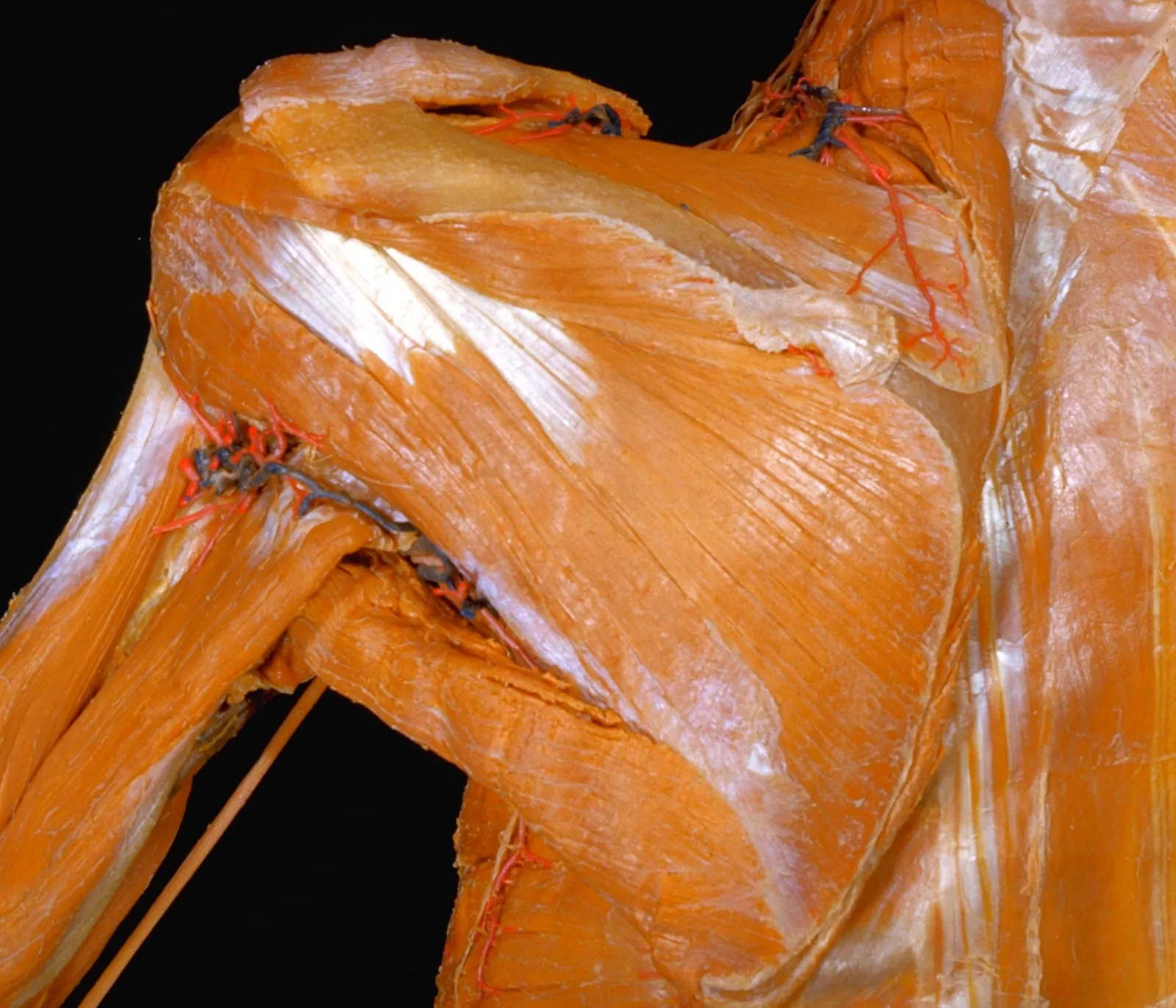
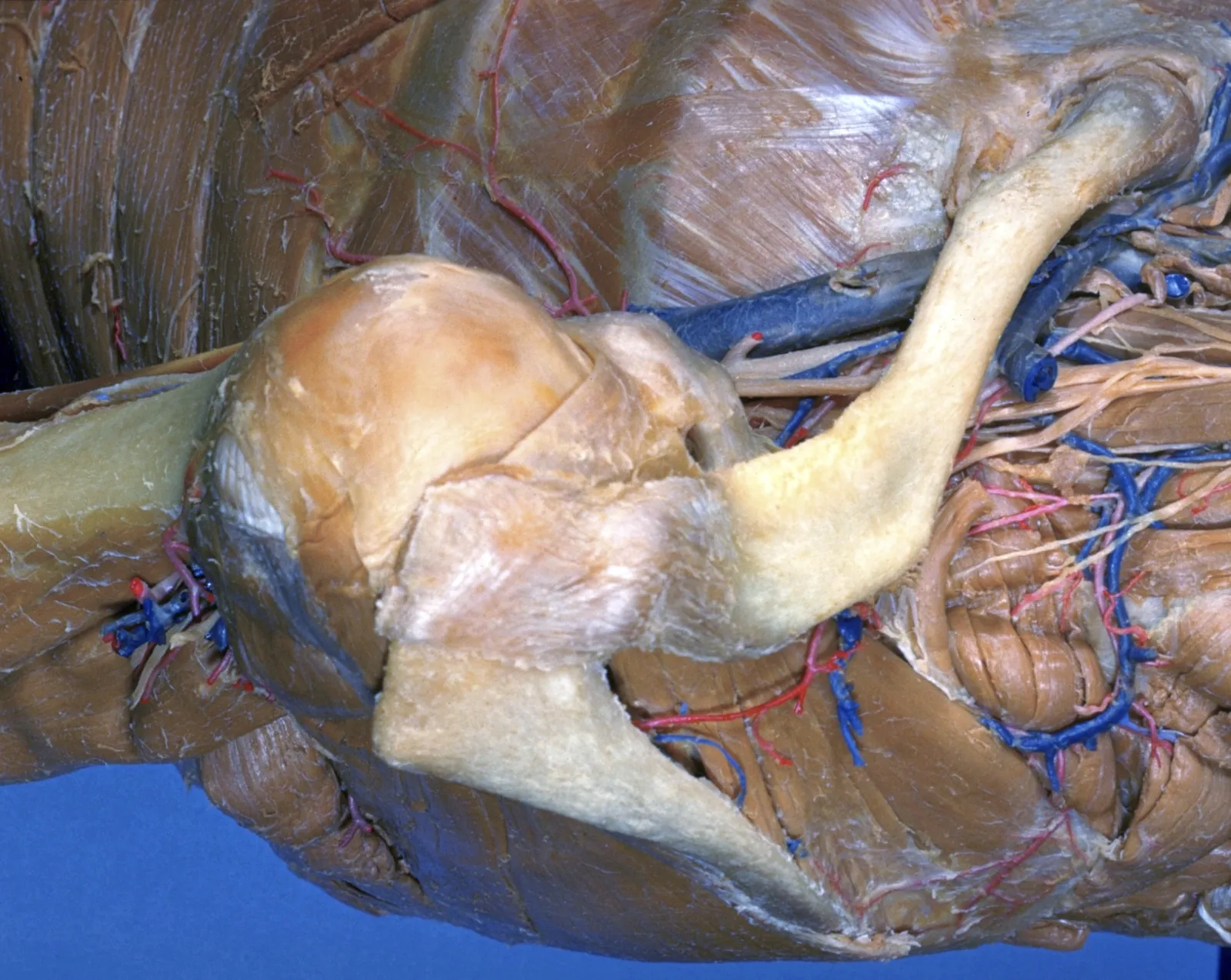
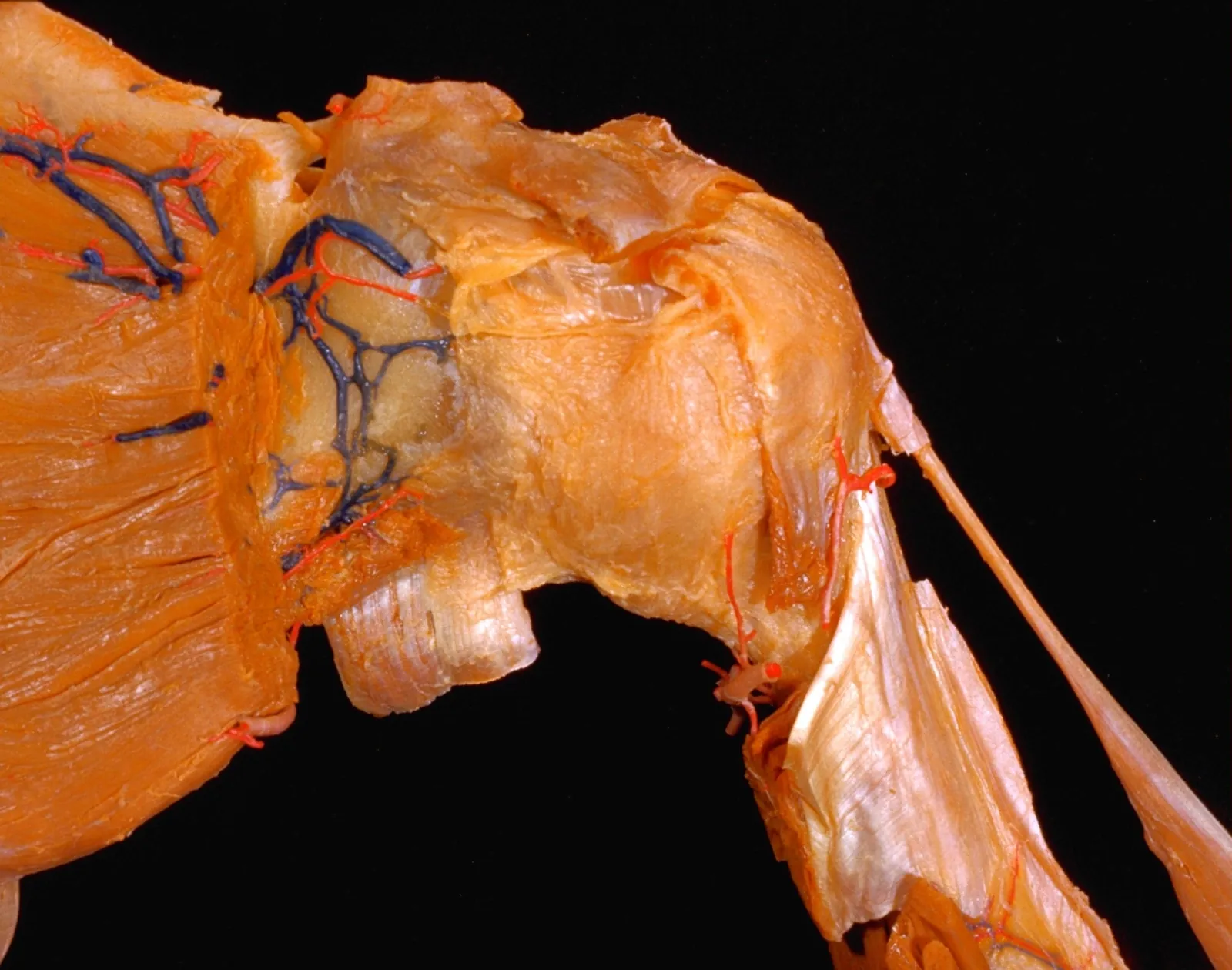
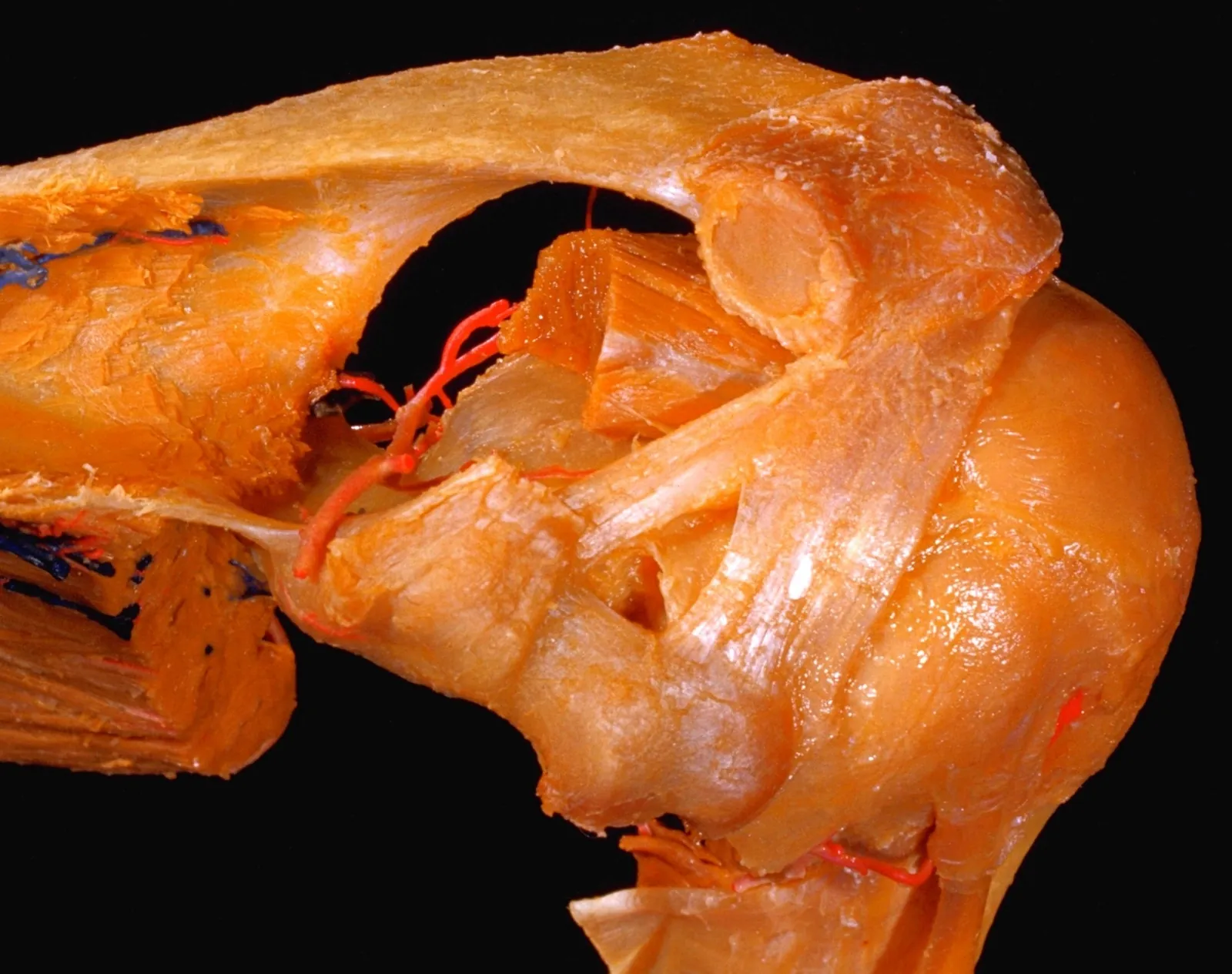
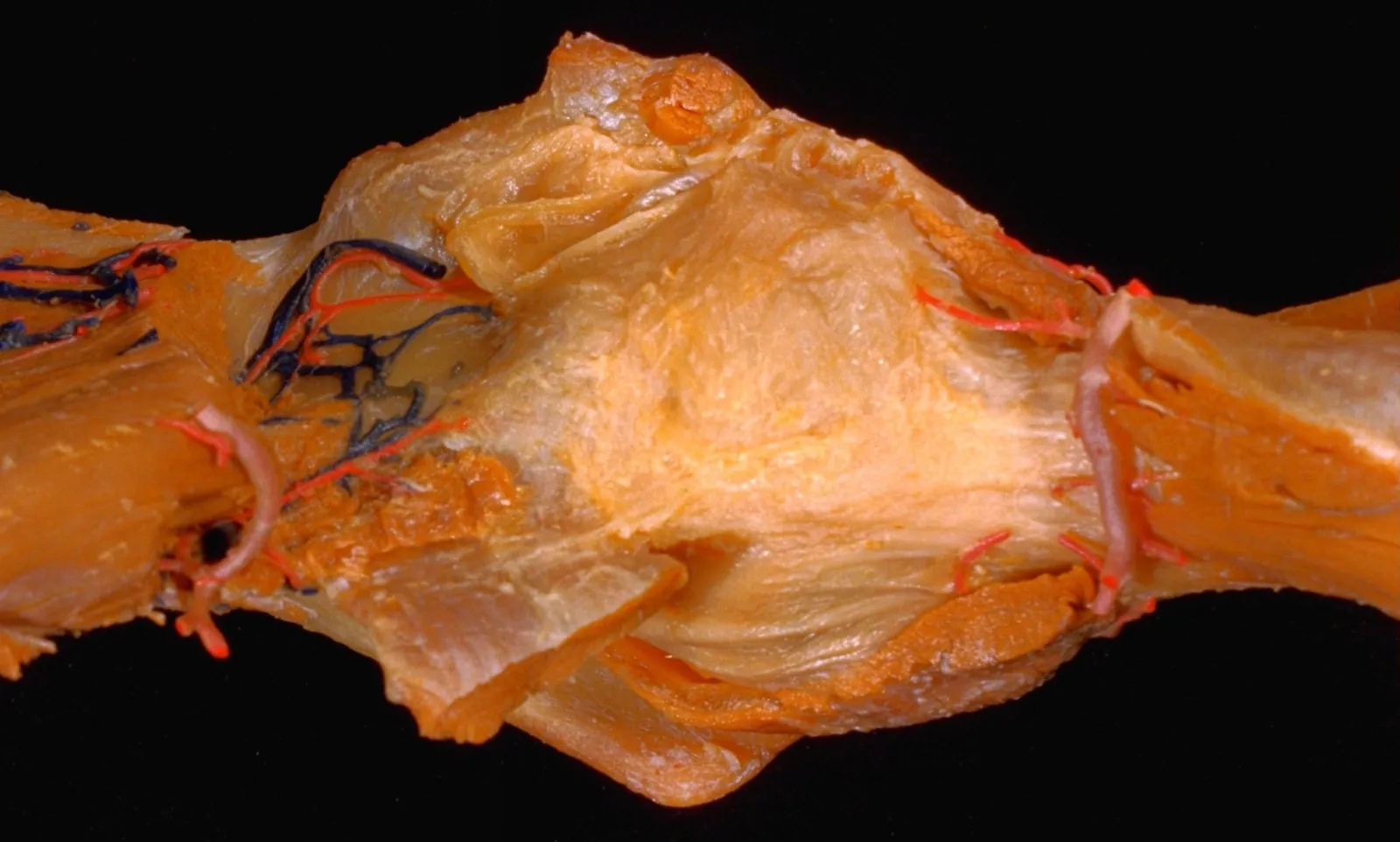
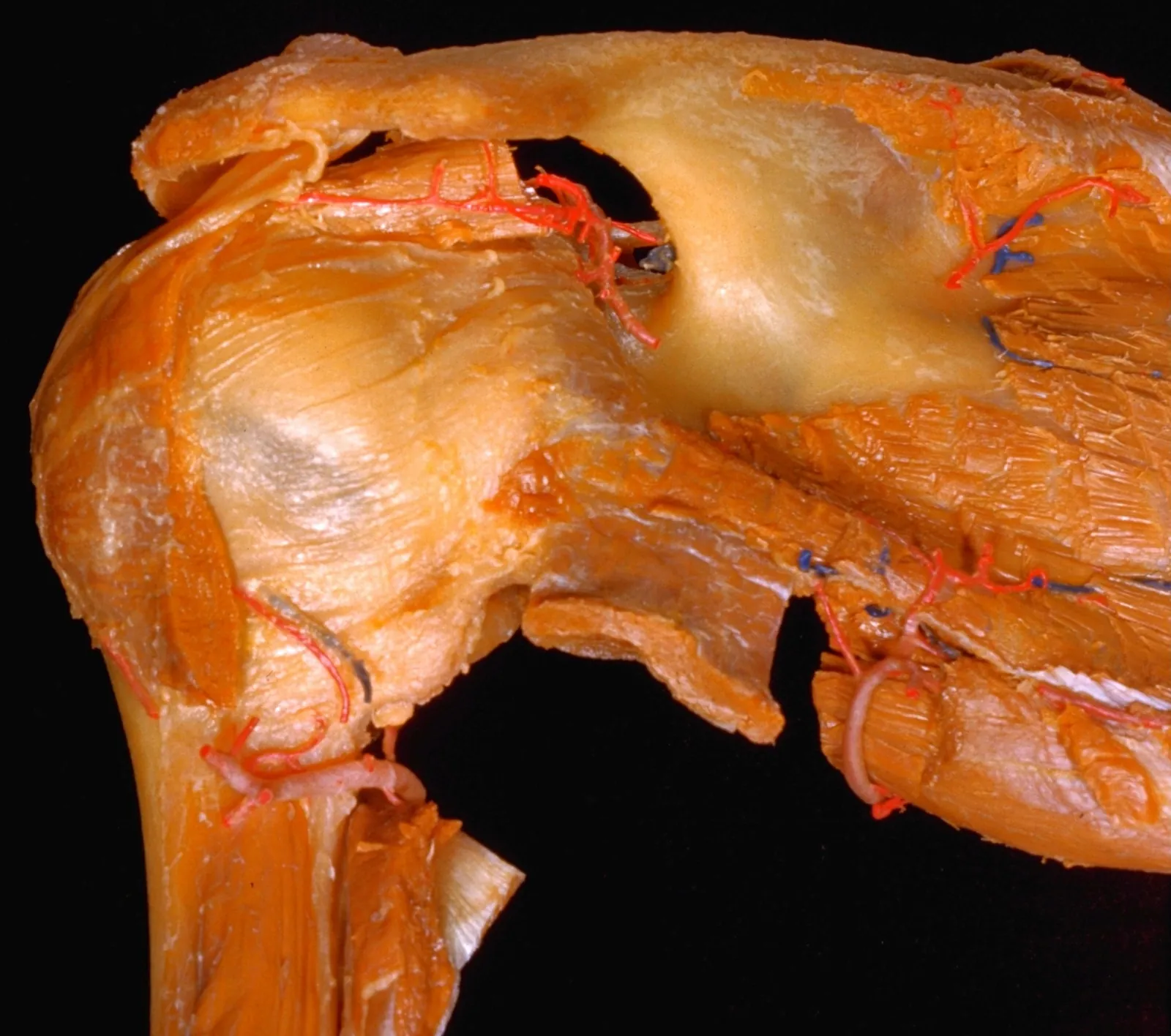
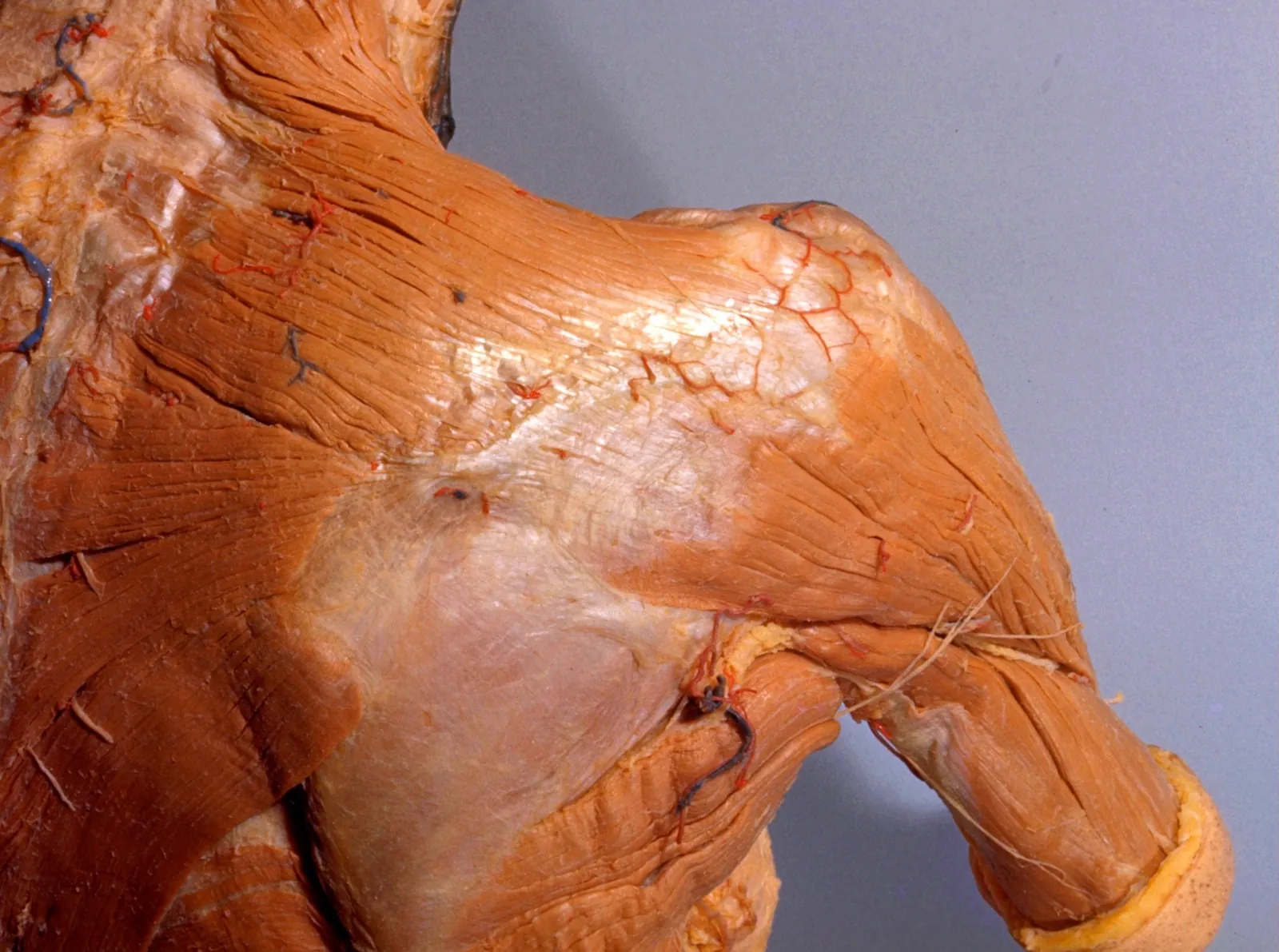
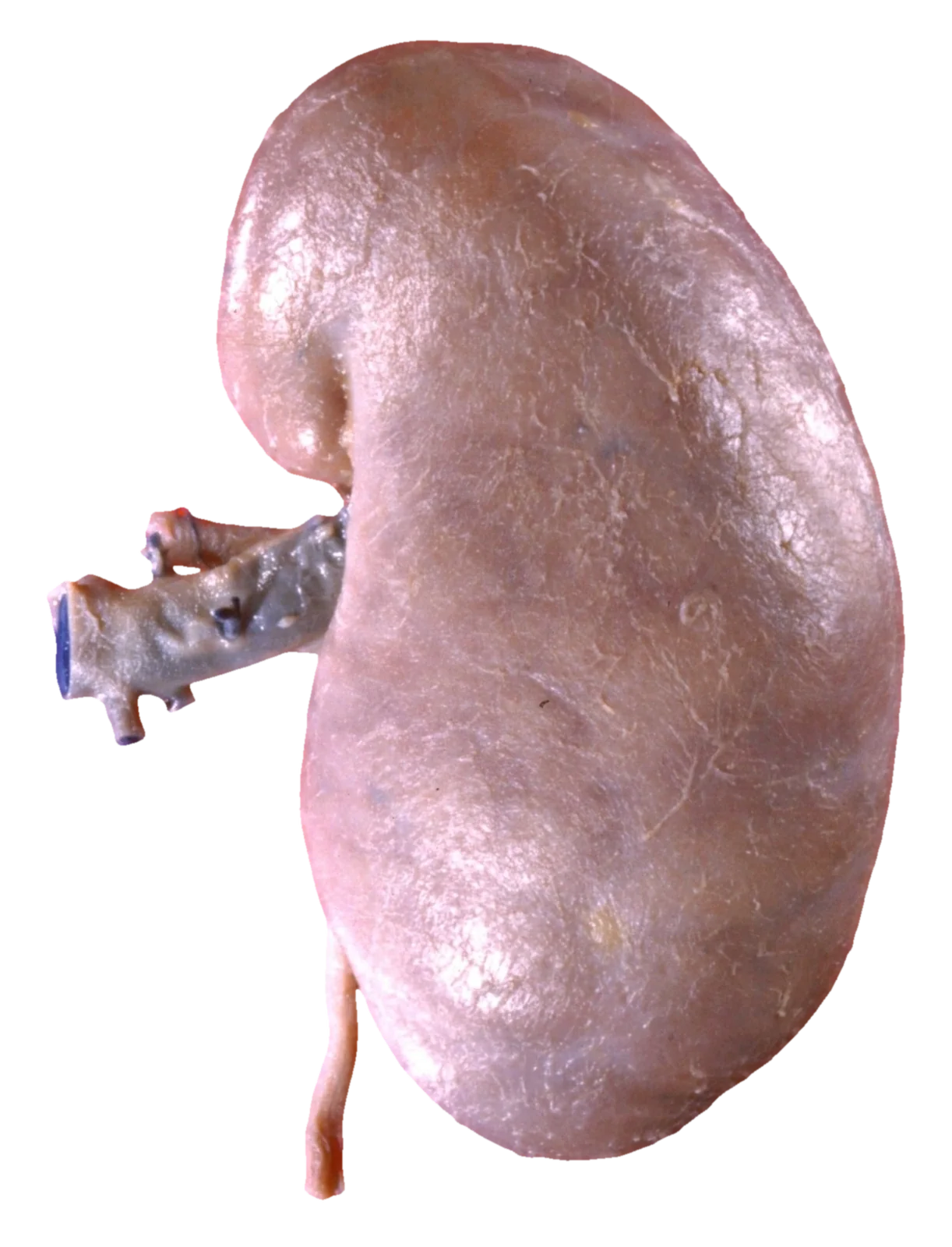
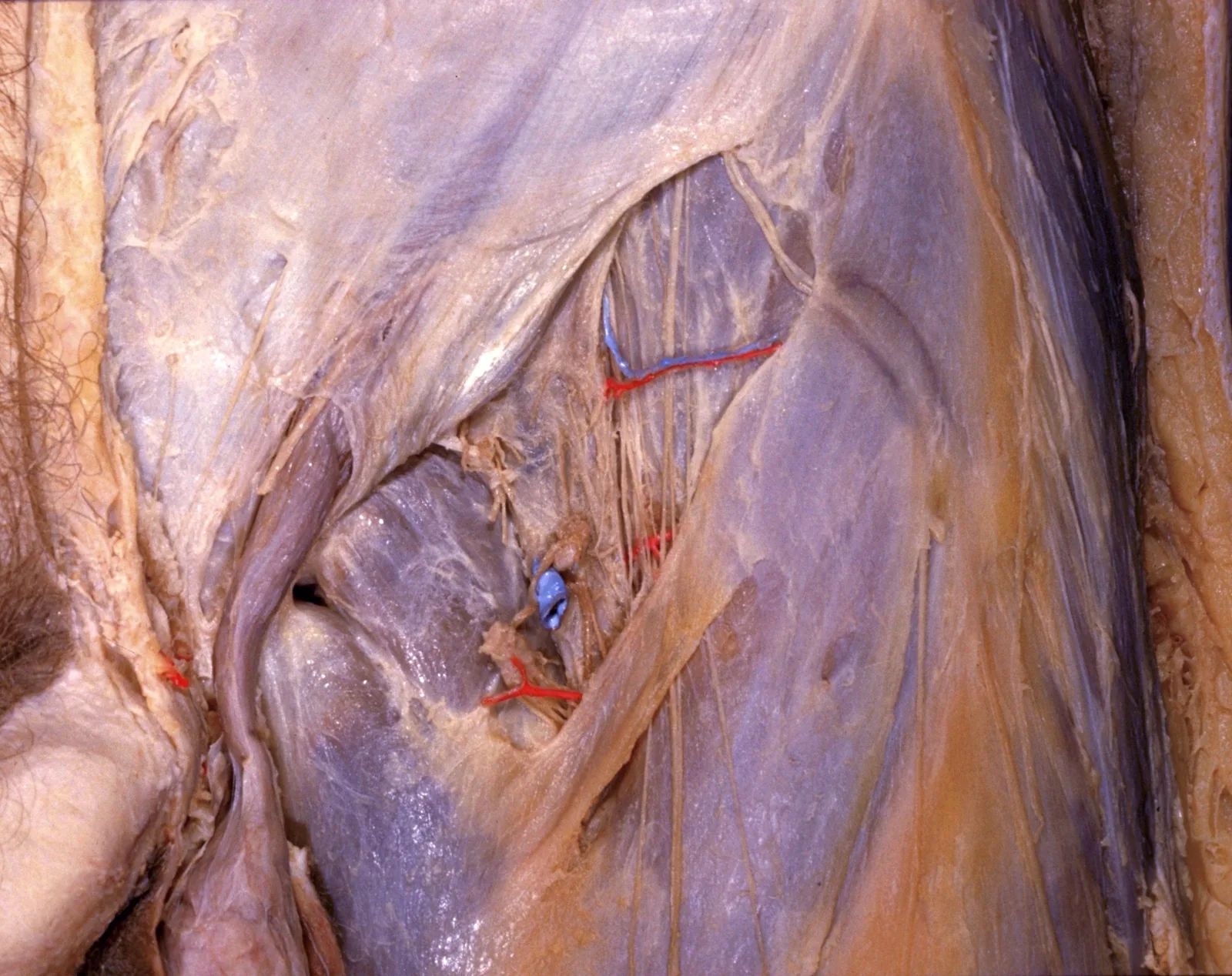
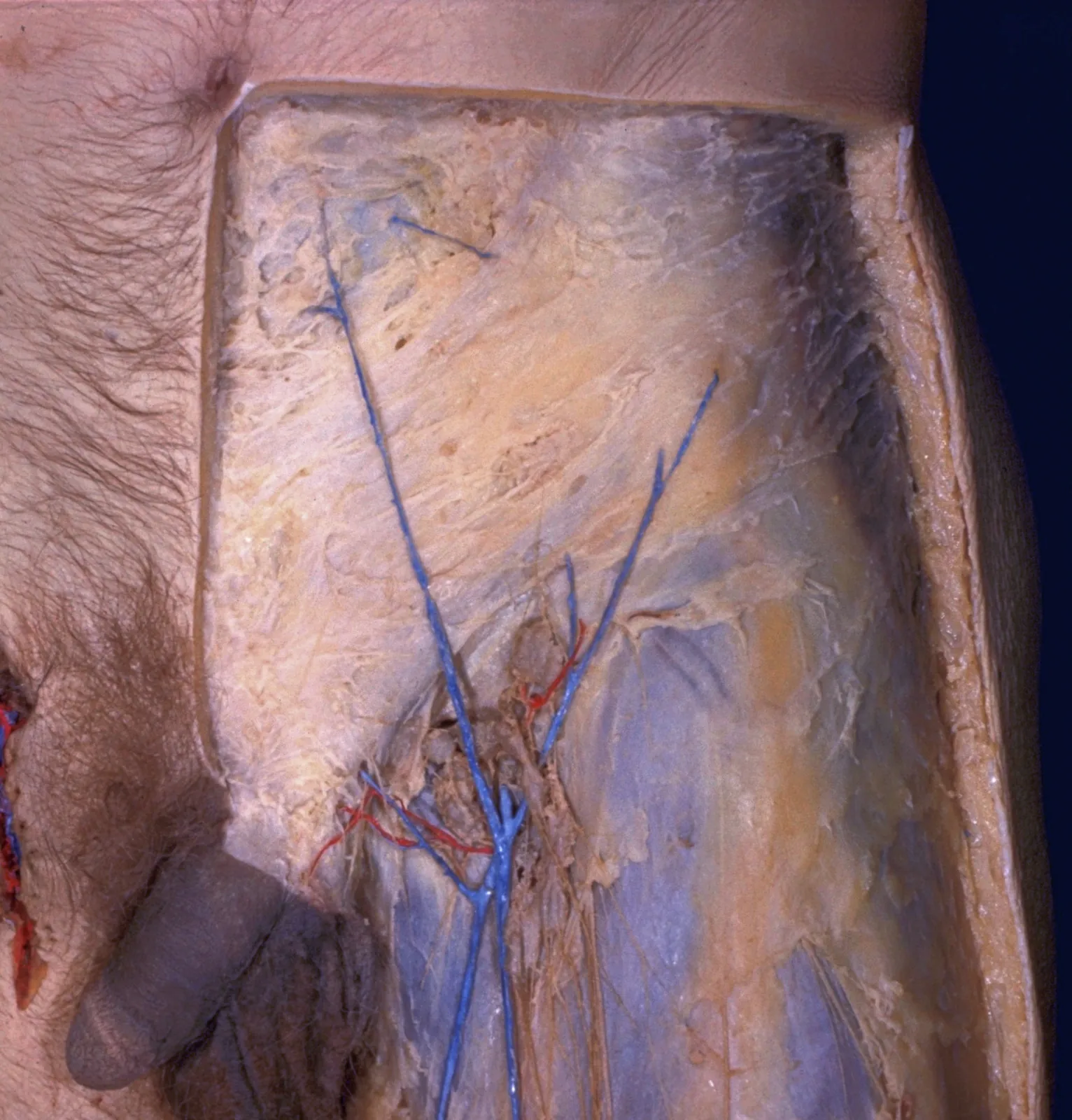
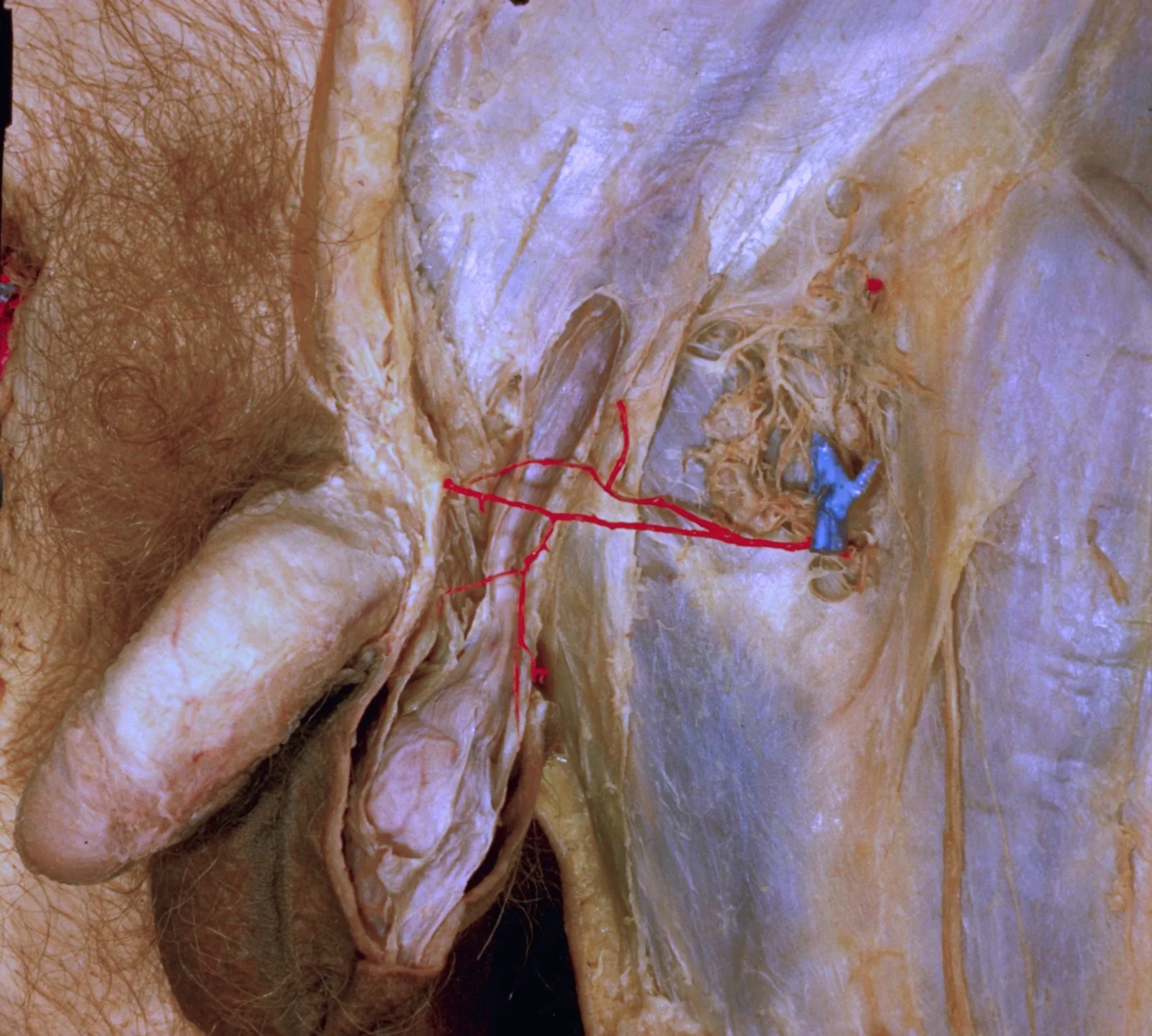
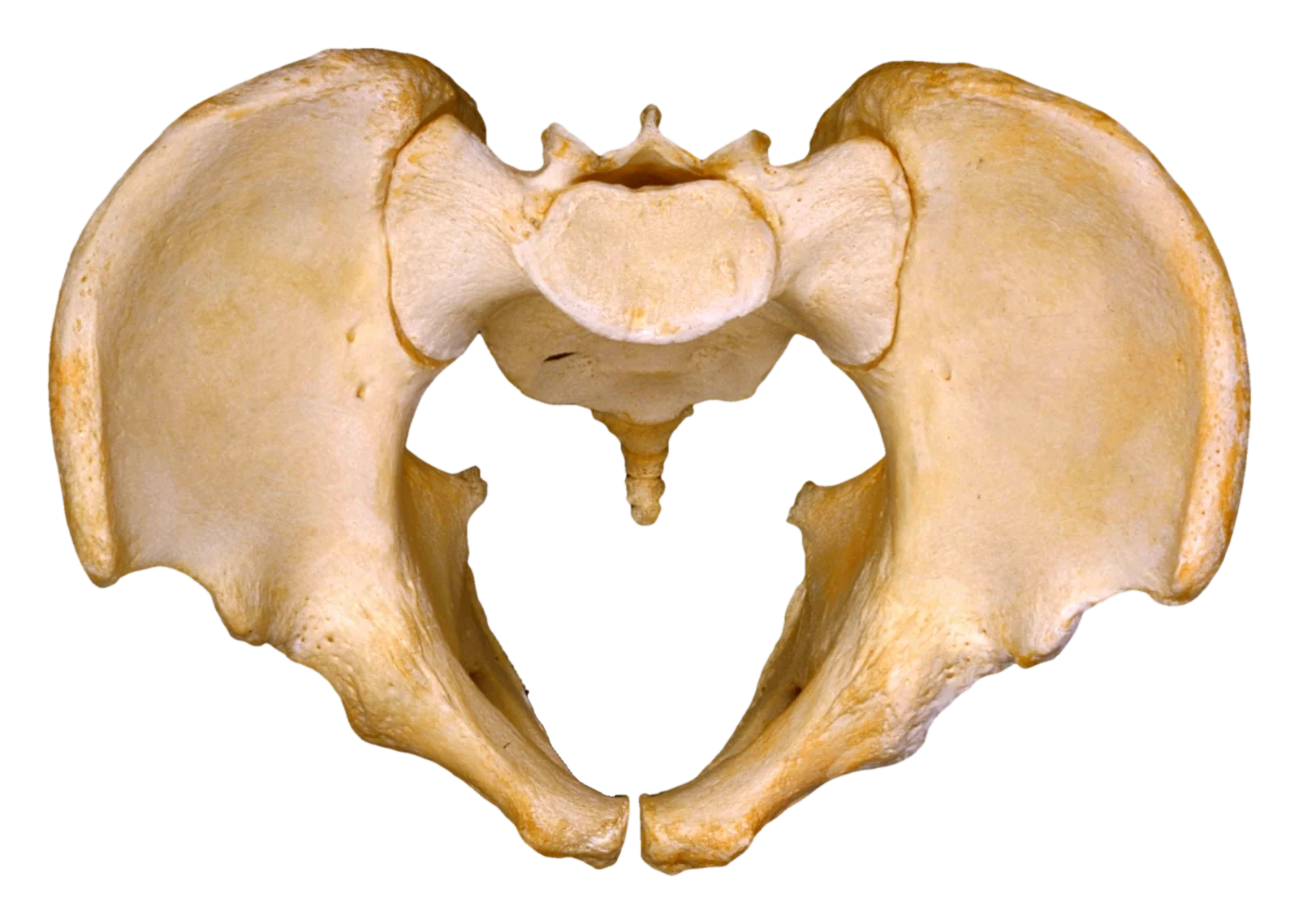
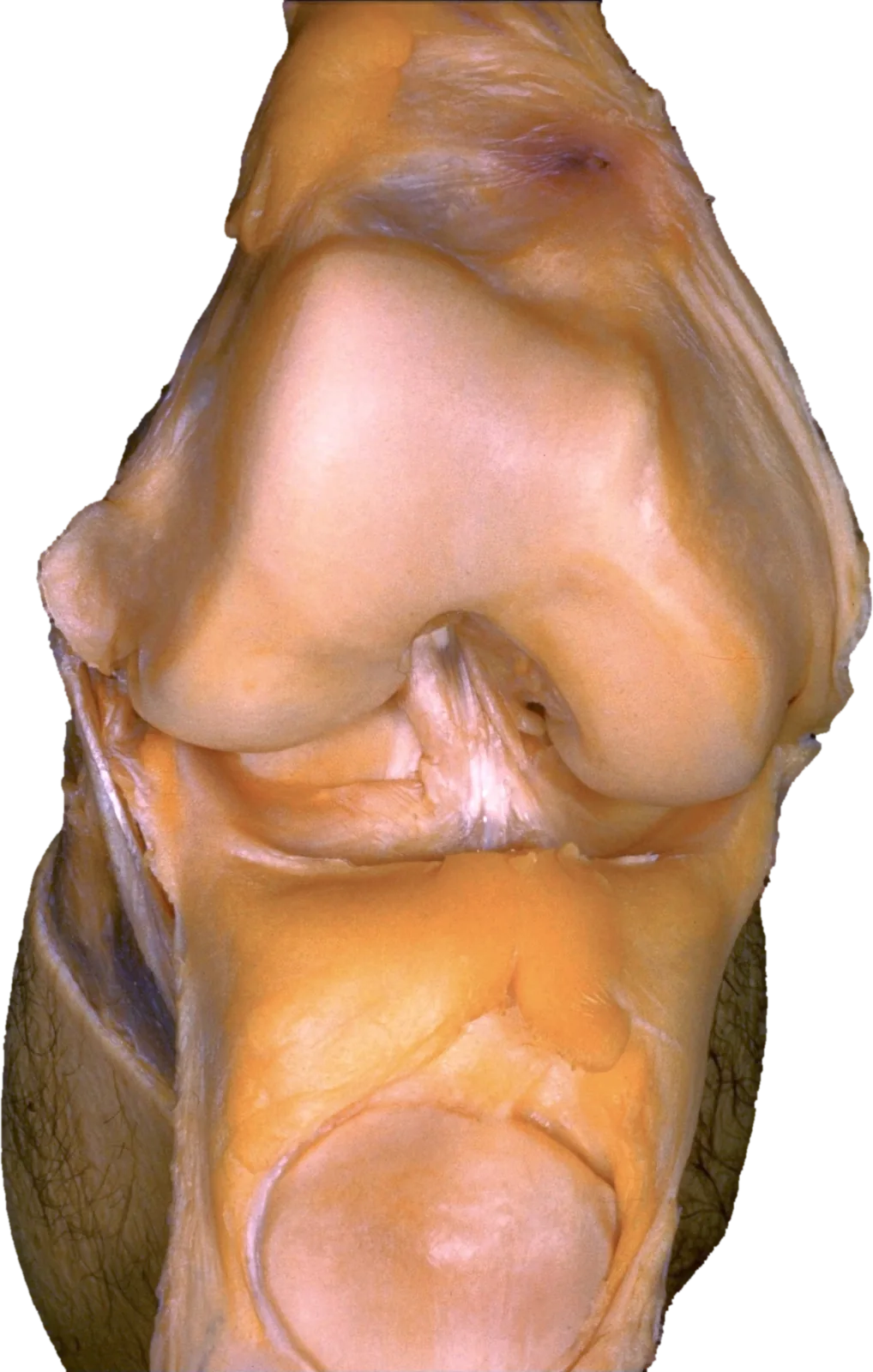
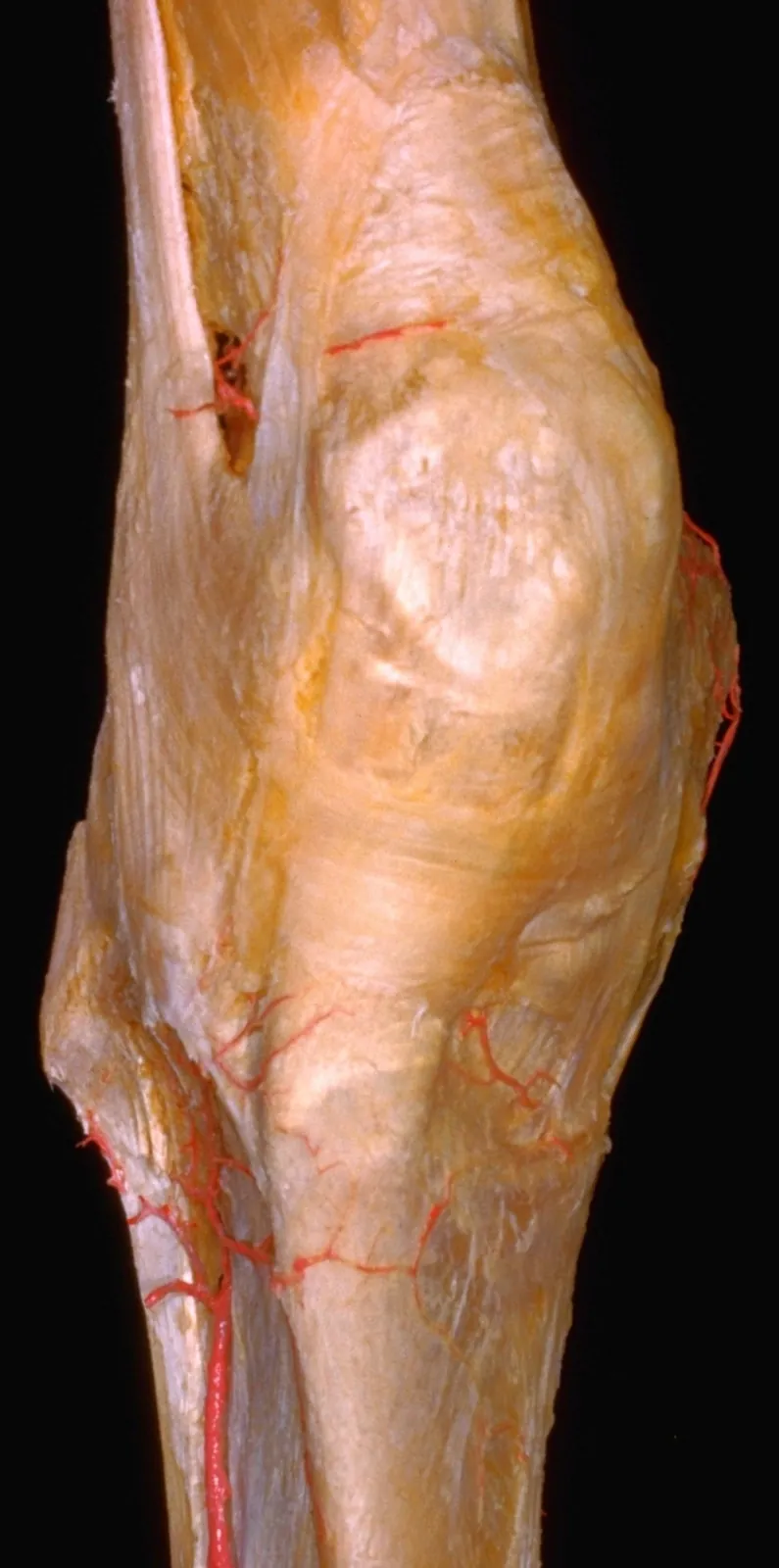
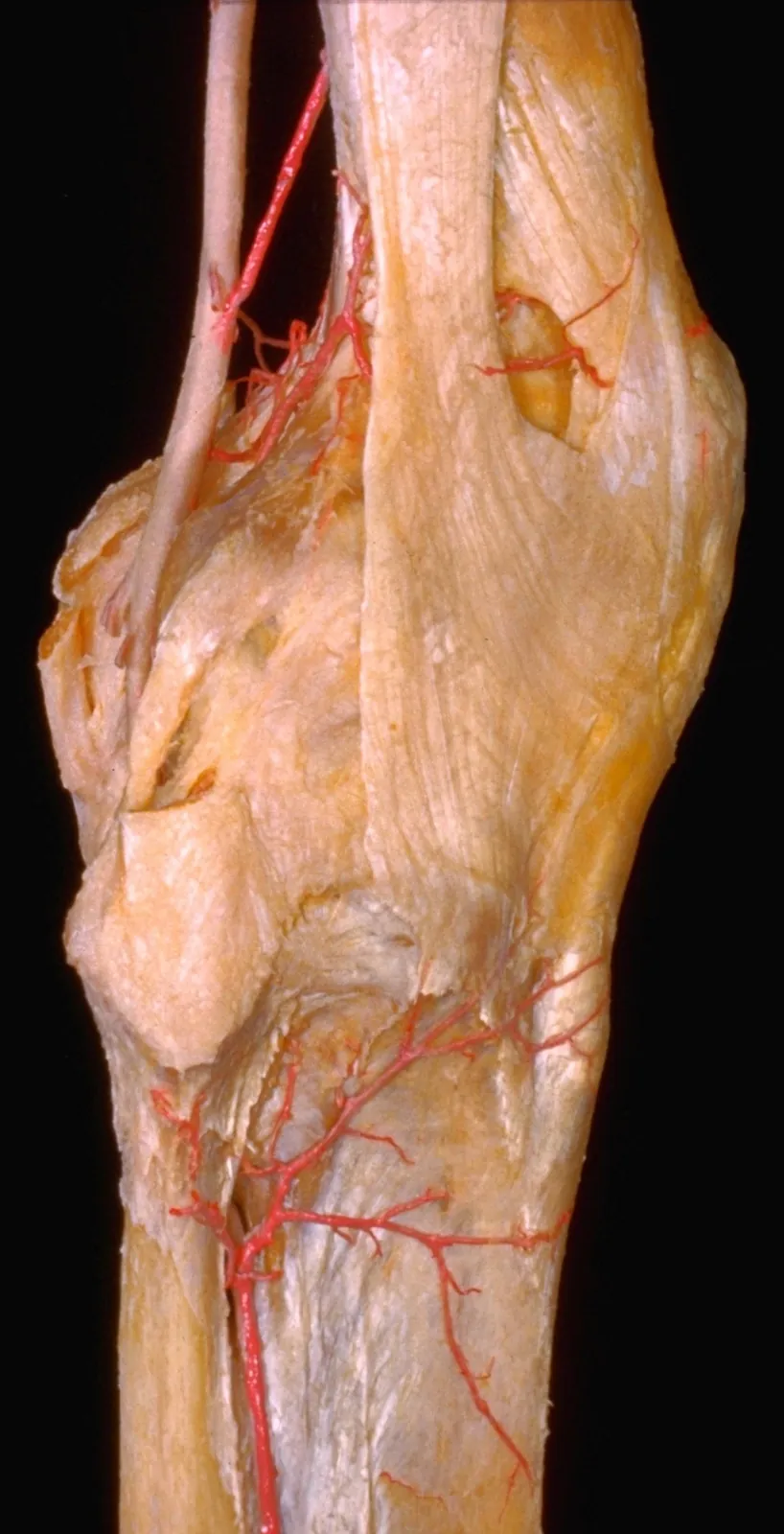
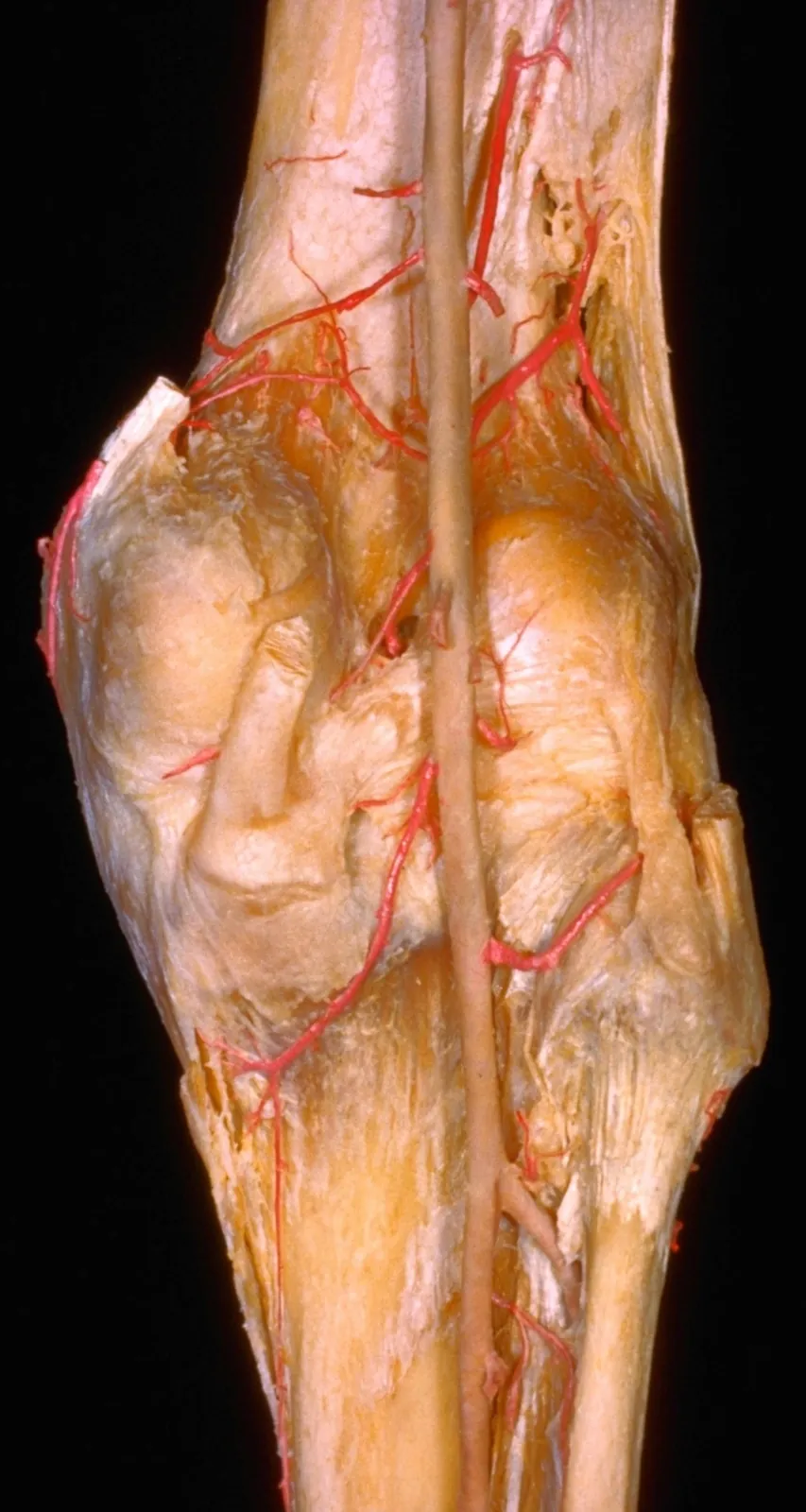
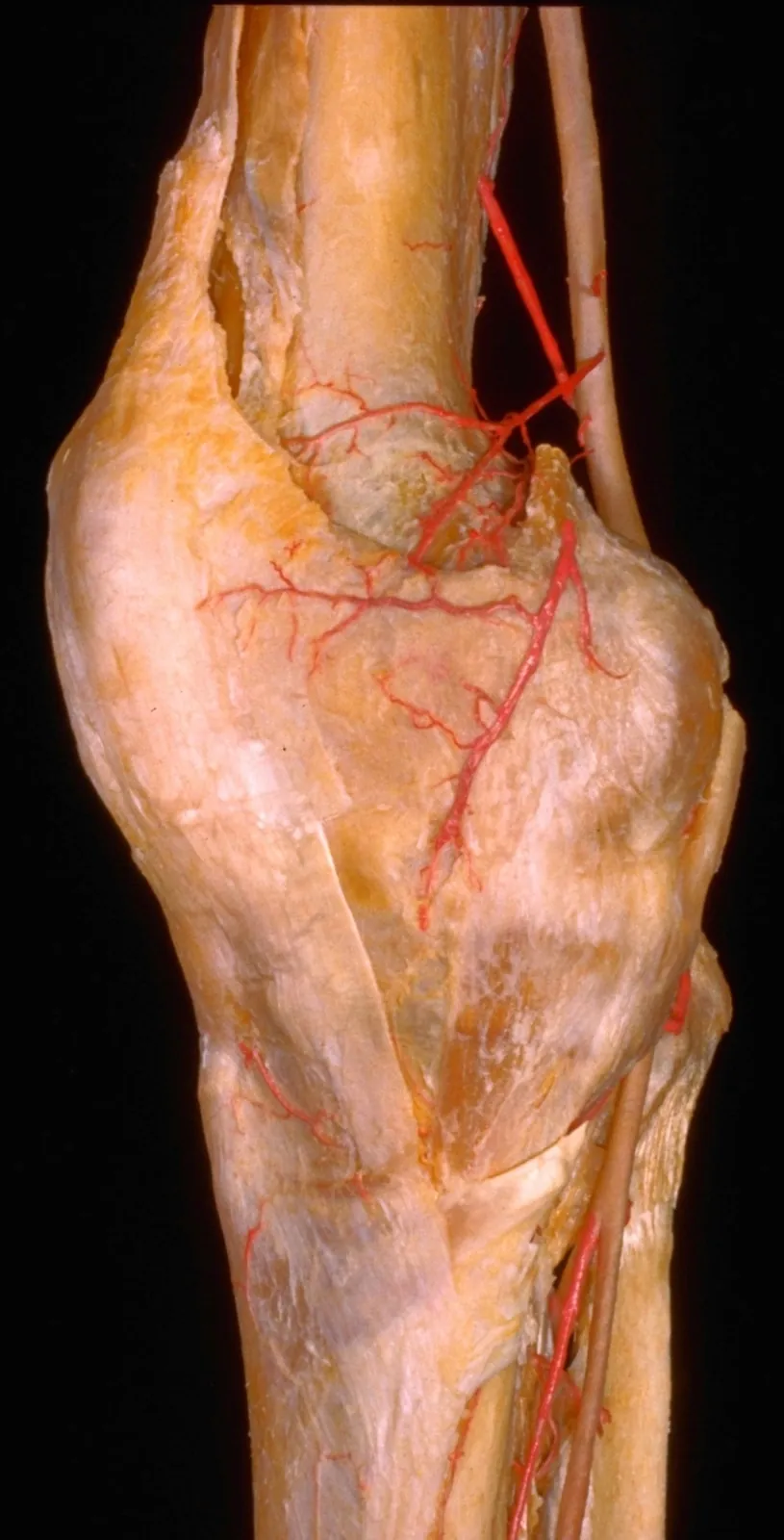
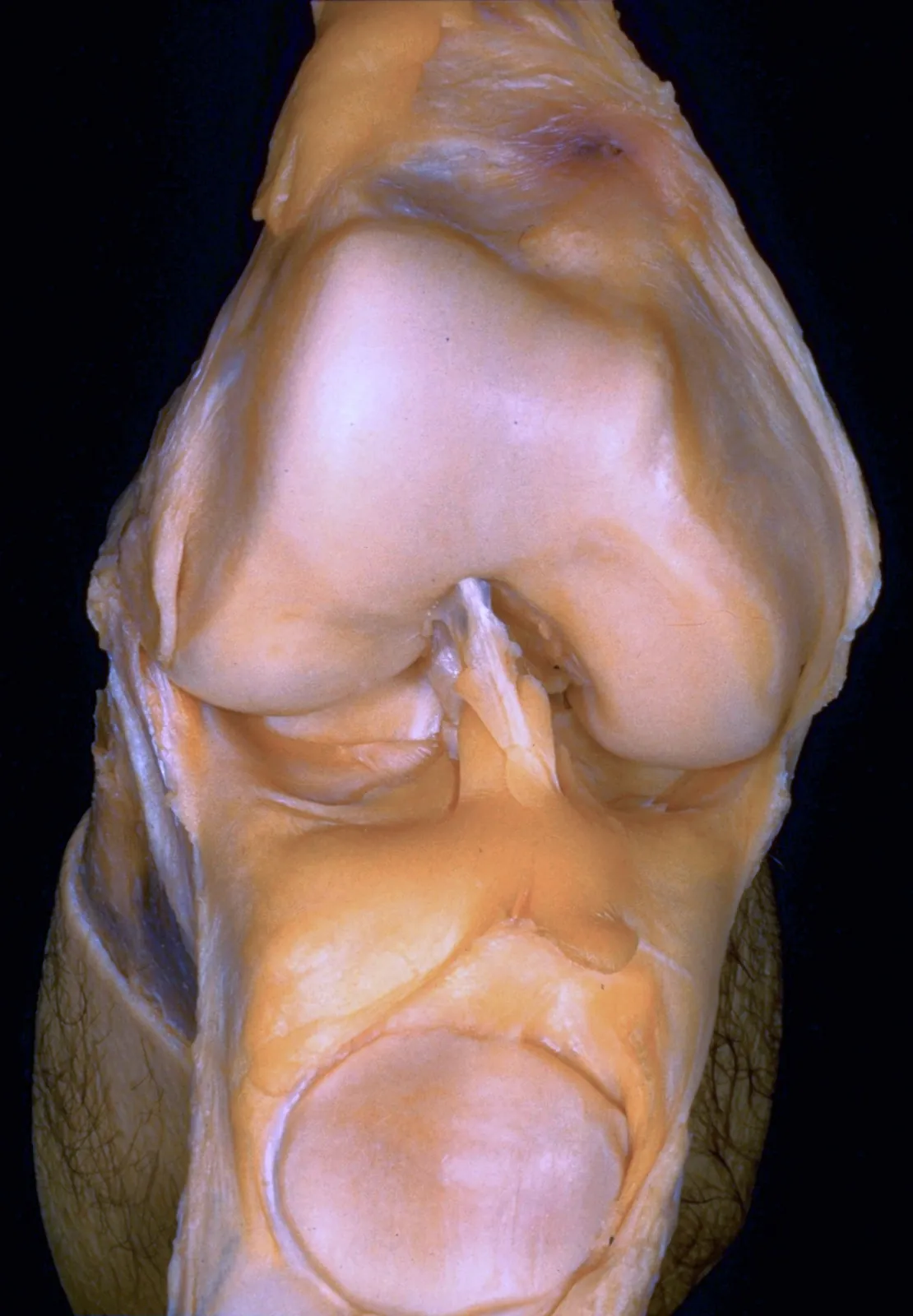
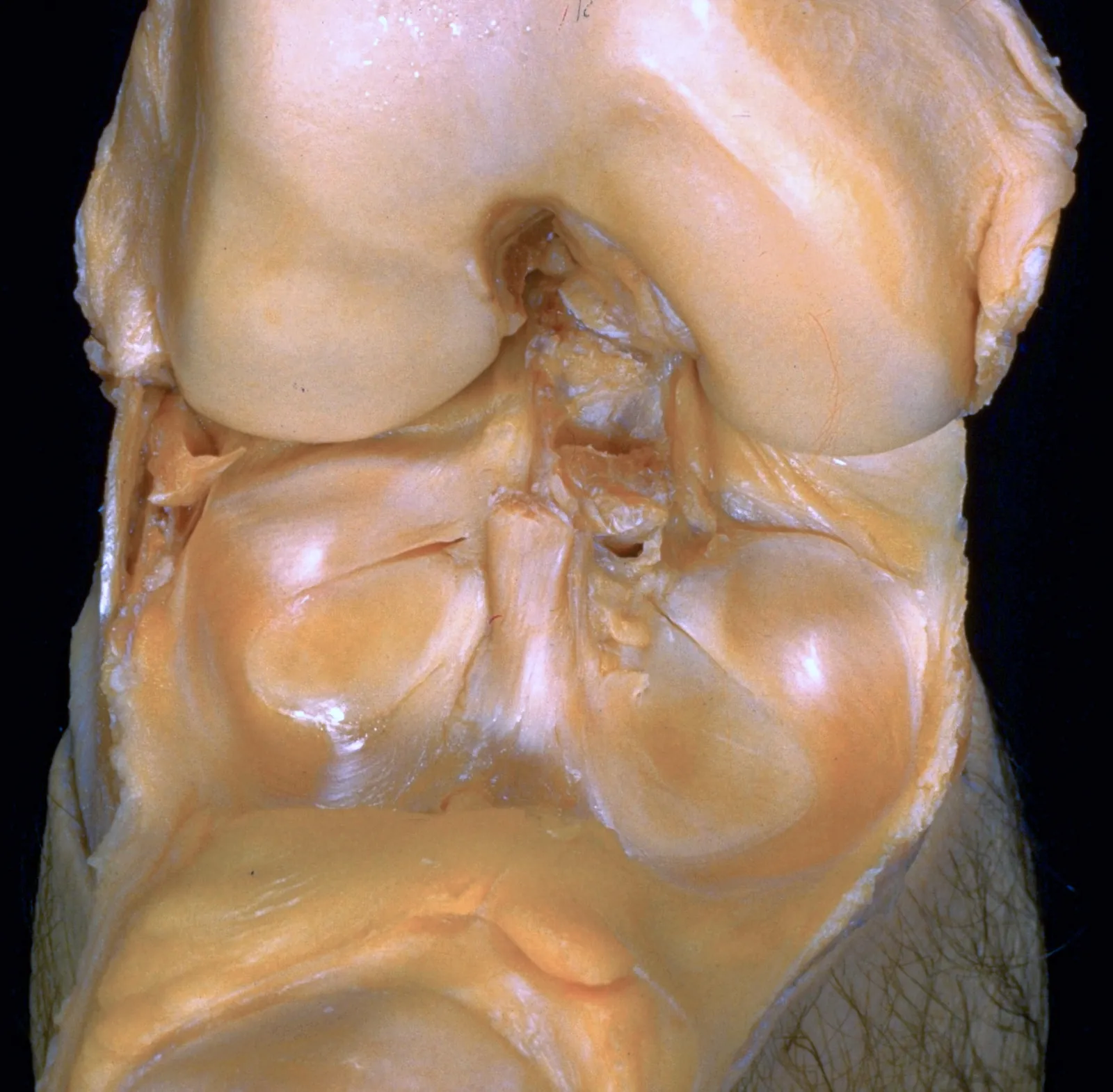
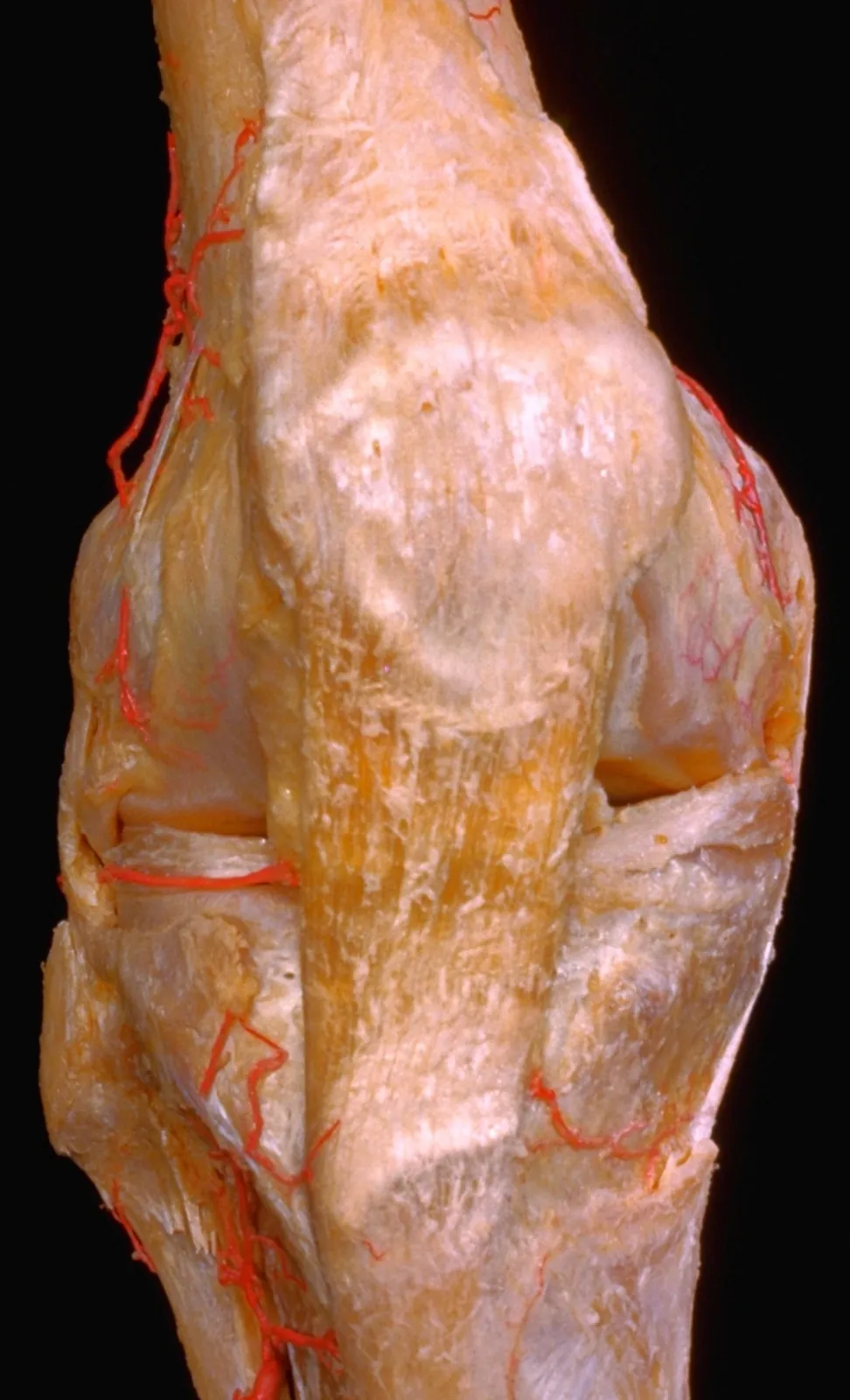
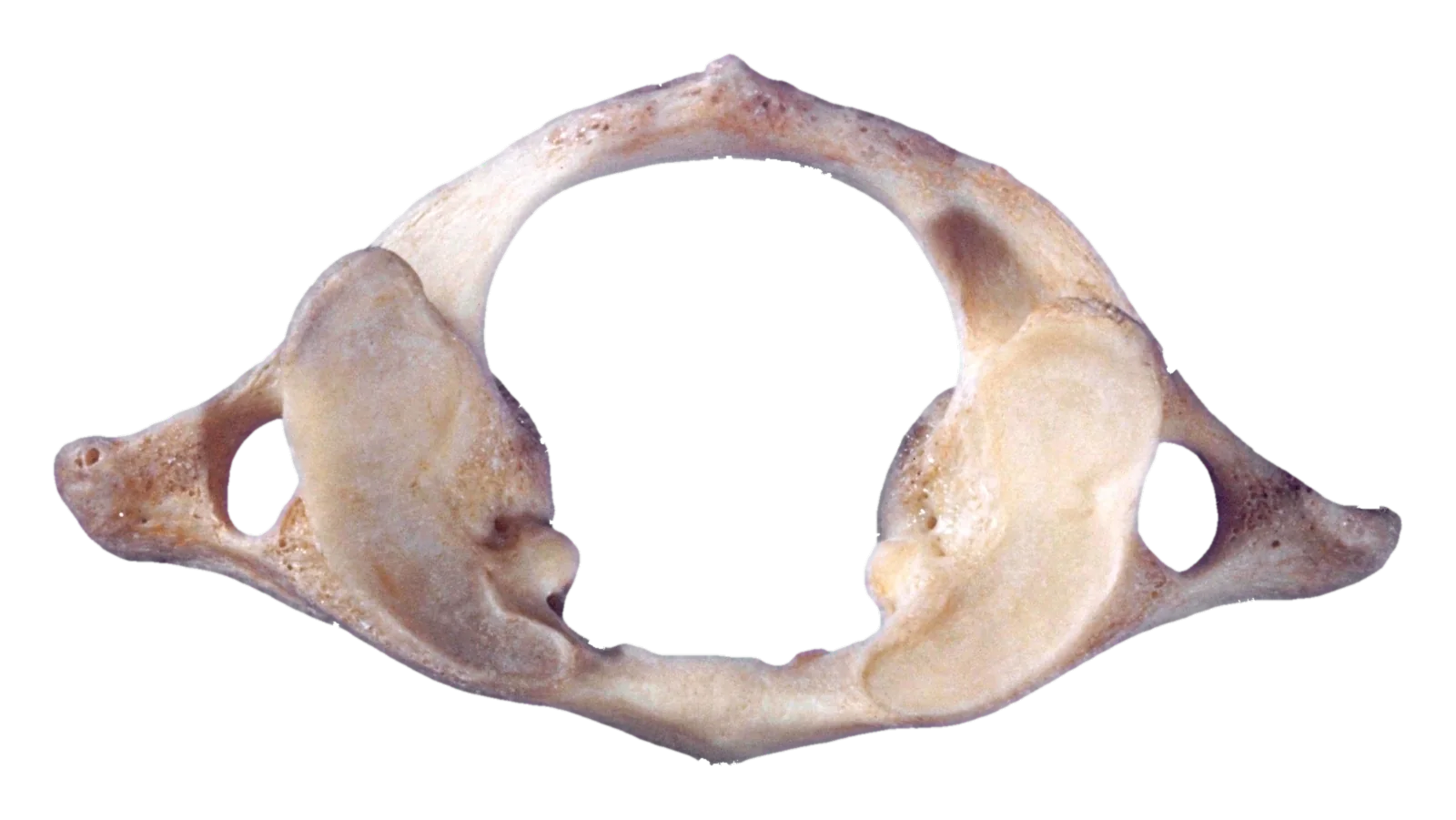
64 photographs of real human dissections and bones from the Bassett Collection at Stanford, with the structures numbered from the anatomist’s own key. Hover or tap a number to name it, or hide the names and test yourself.
The same photographs appear in the question bank, under the explanations they illustrate.
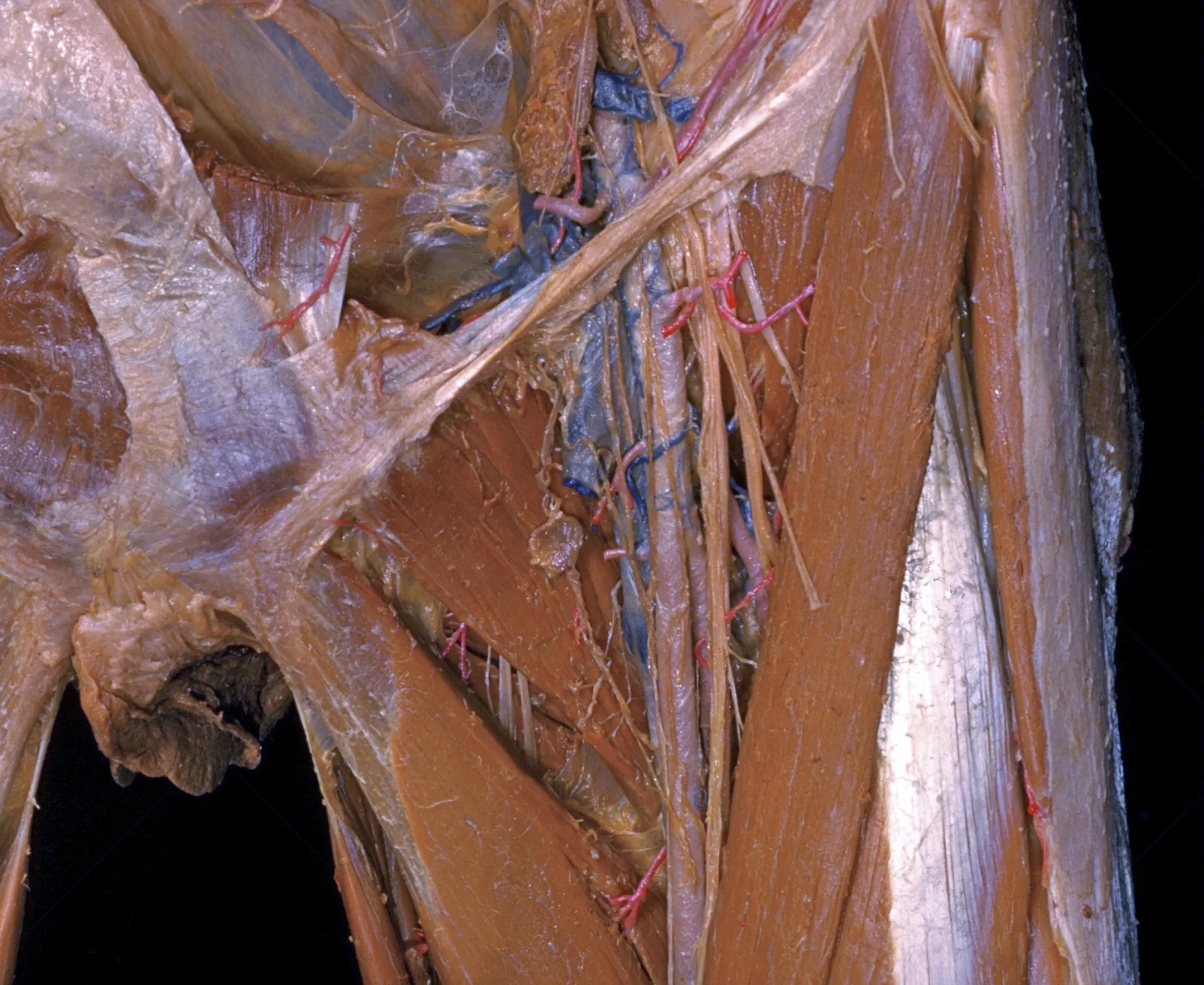
From lateral to medial: femoral nerve, artery, vein and the femoral canal (with its lymph node of Cloquet). The canal, medial to the vein, is the path of a femoral hernia.
Photograph: David L. Bassett, Bassett Collection (image 186-4), © Stanford University, CC BY-SA 4.0. Cropped and resized; labels added. This labelled version is also CC BY-SA 4.0.
Head and neck
9 photographs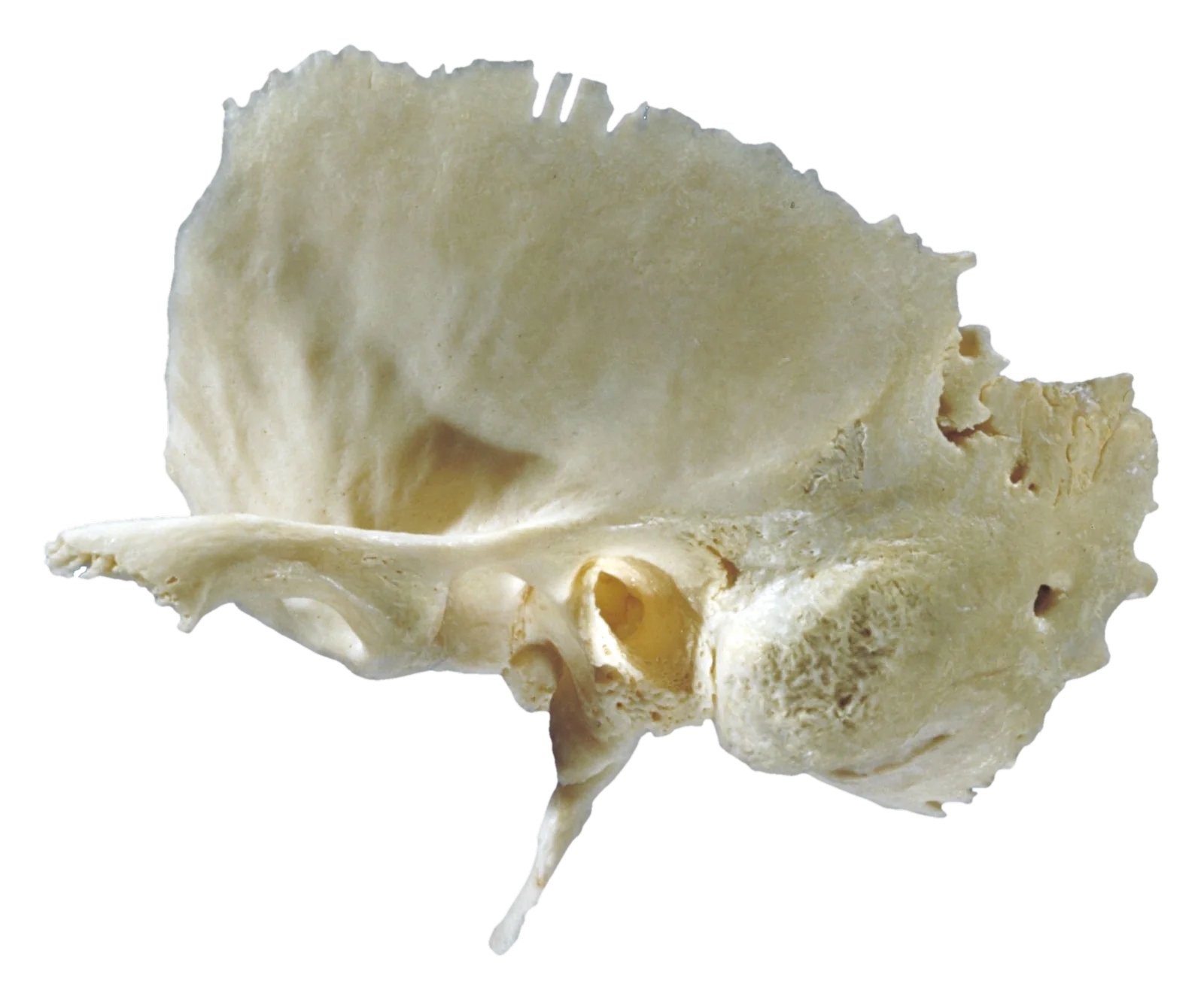
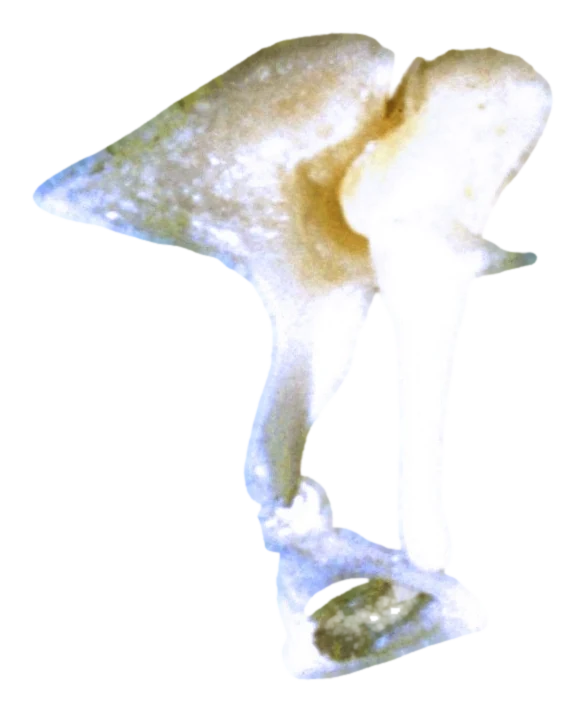
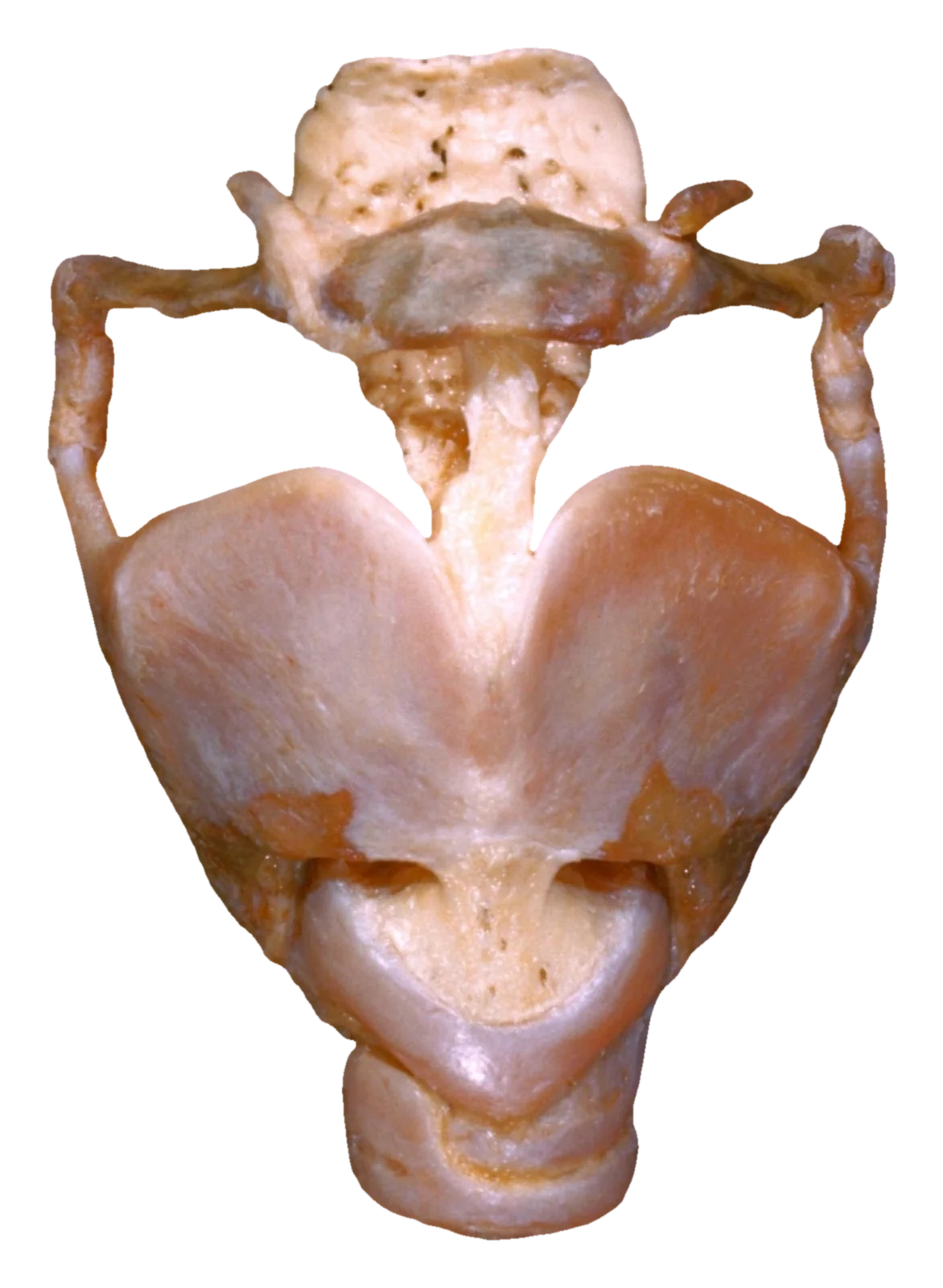
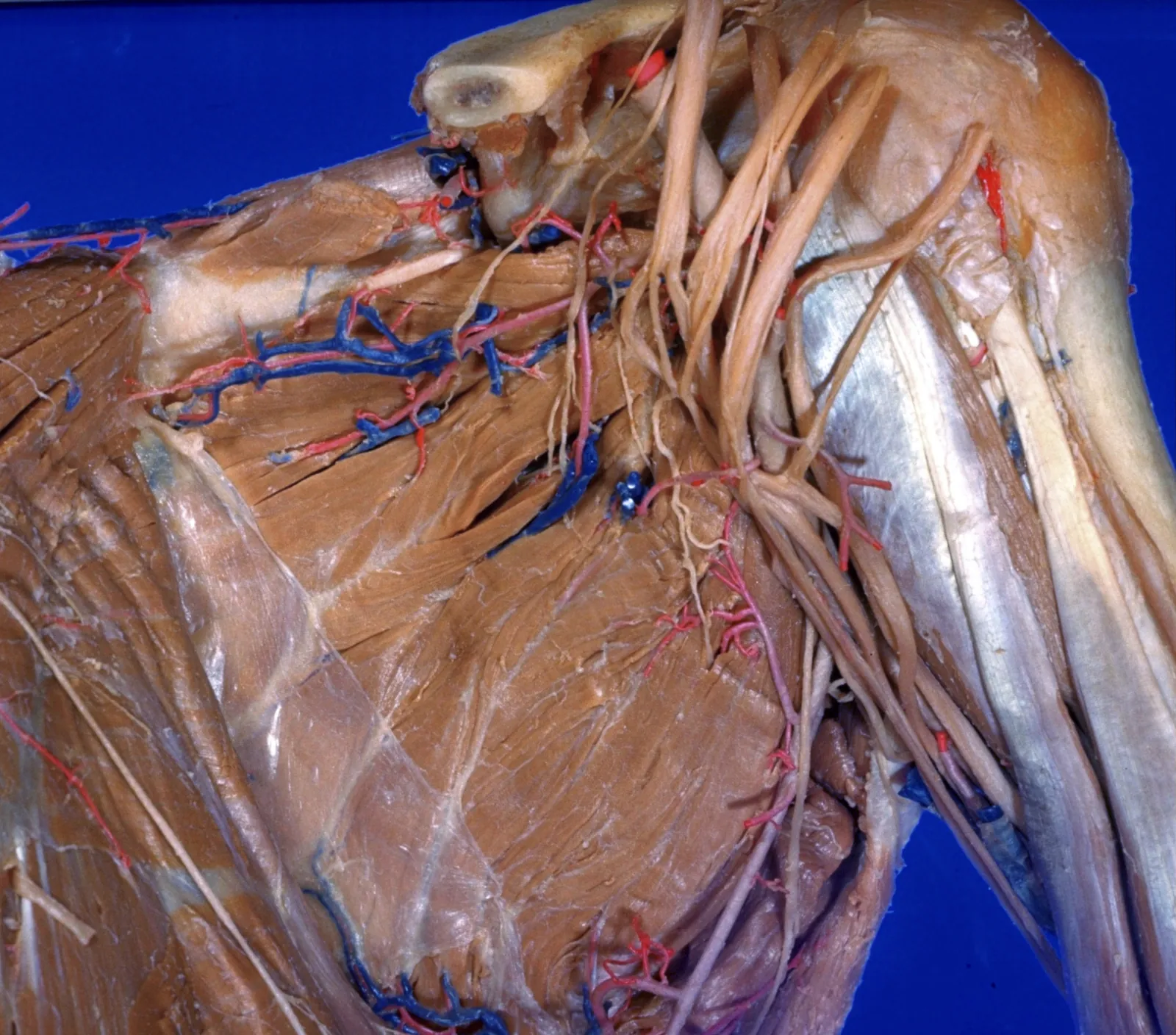
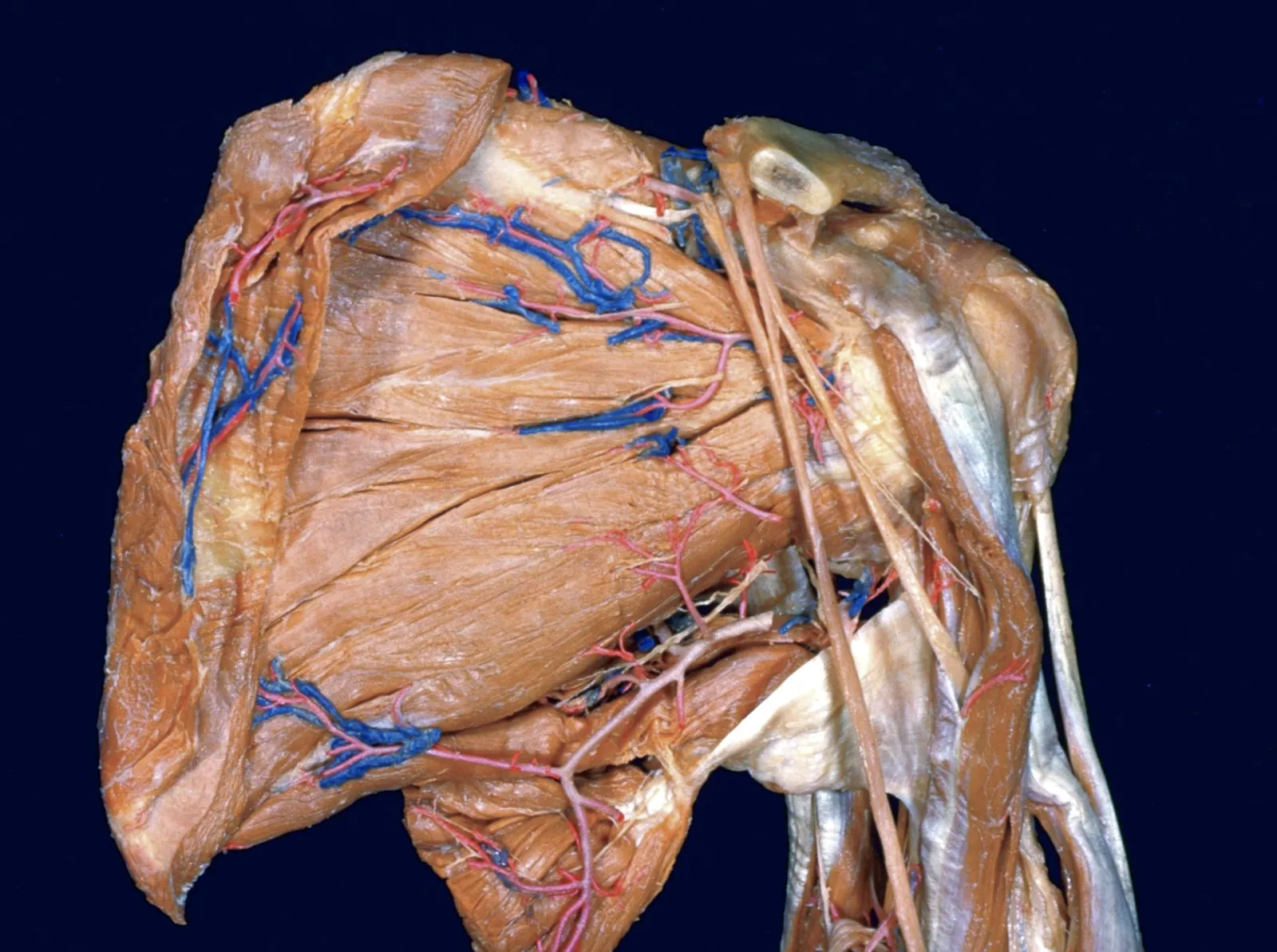
Upper limb
16 photographs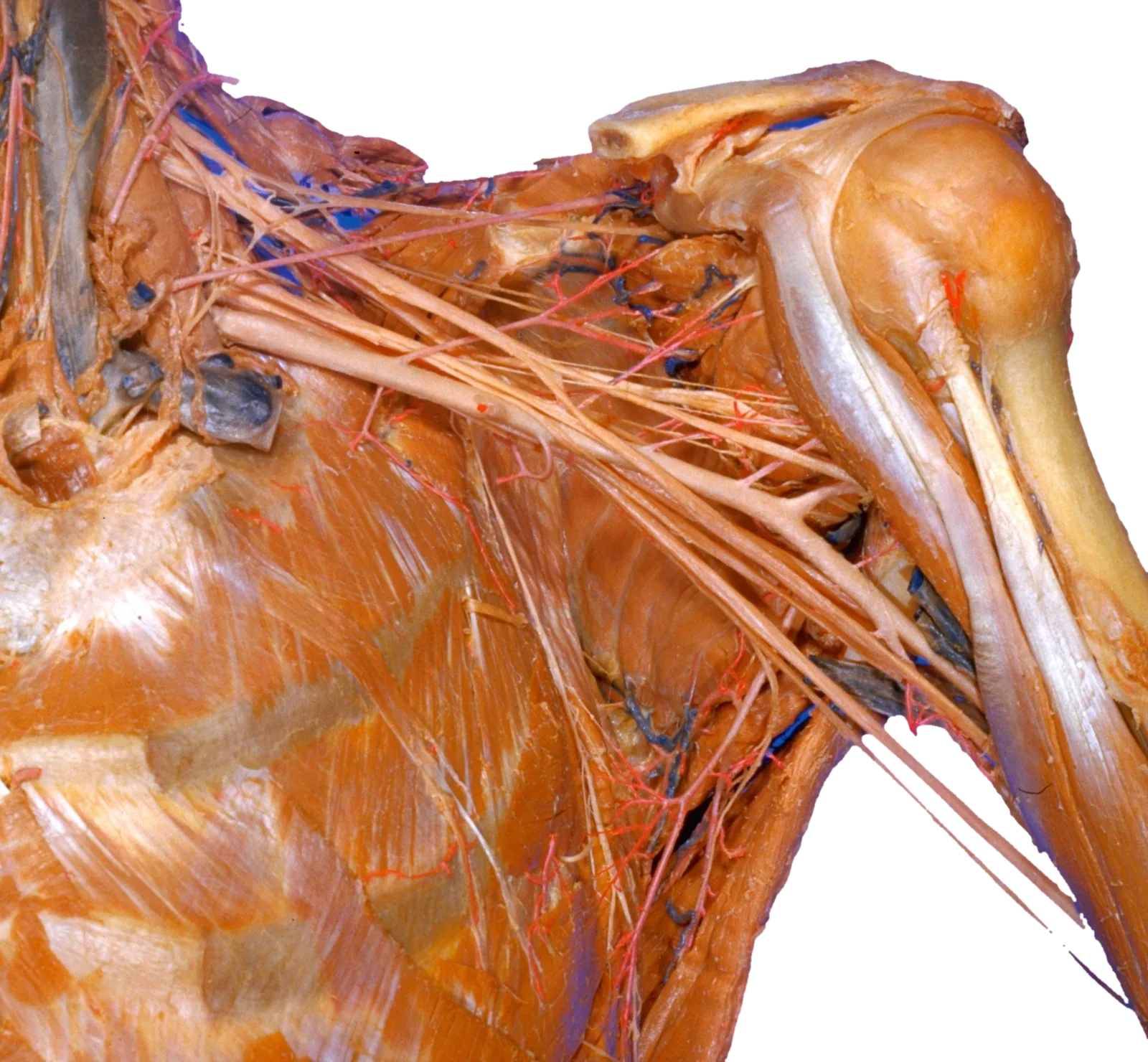
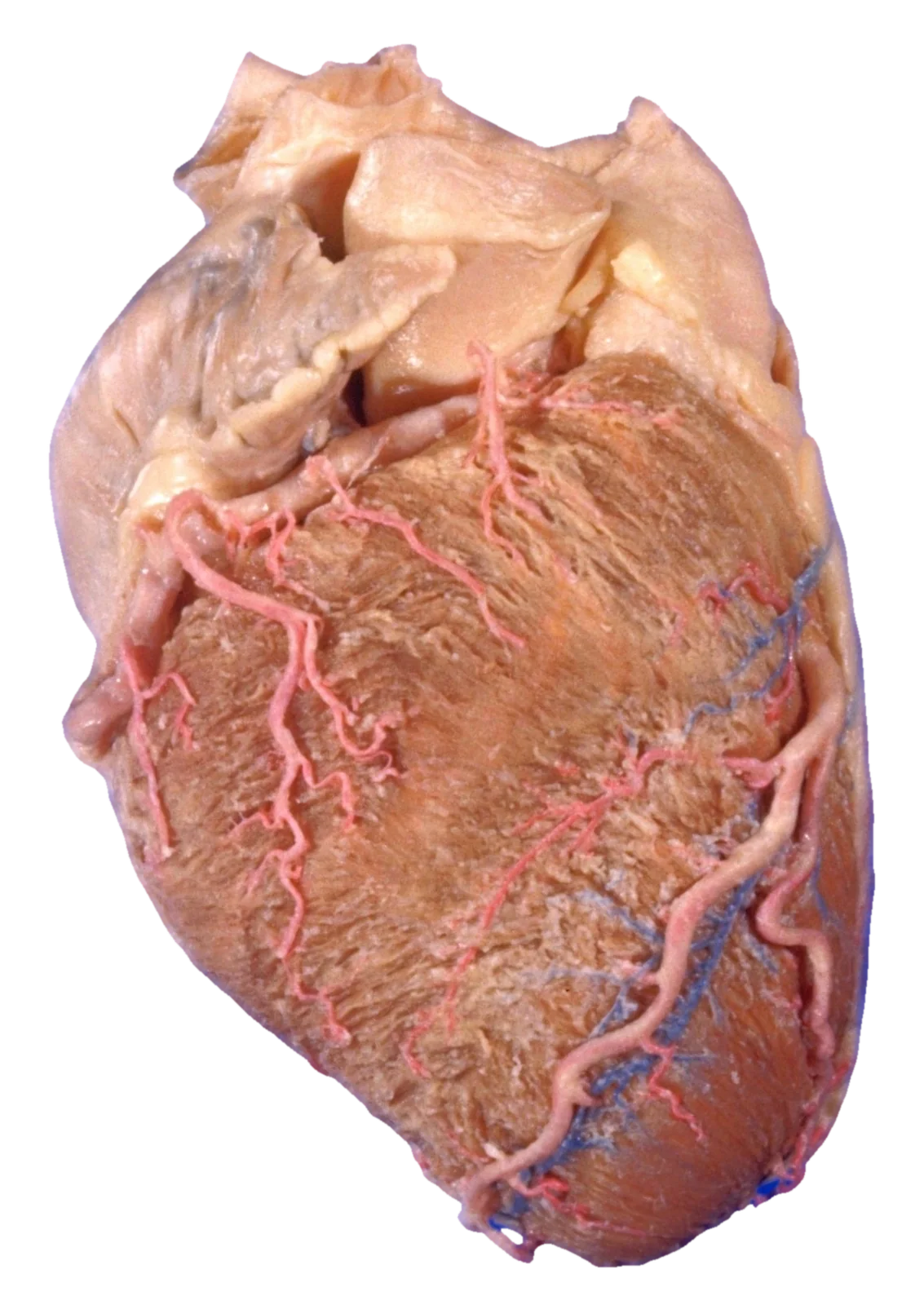
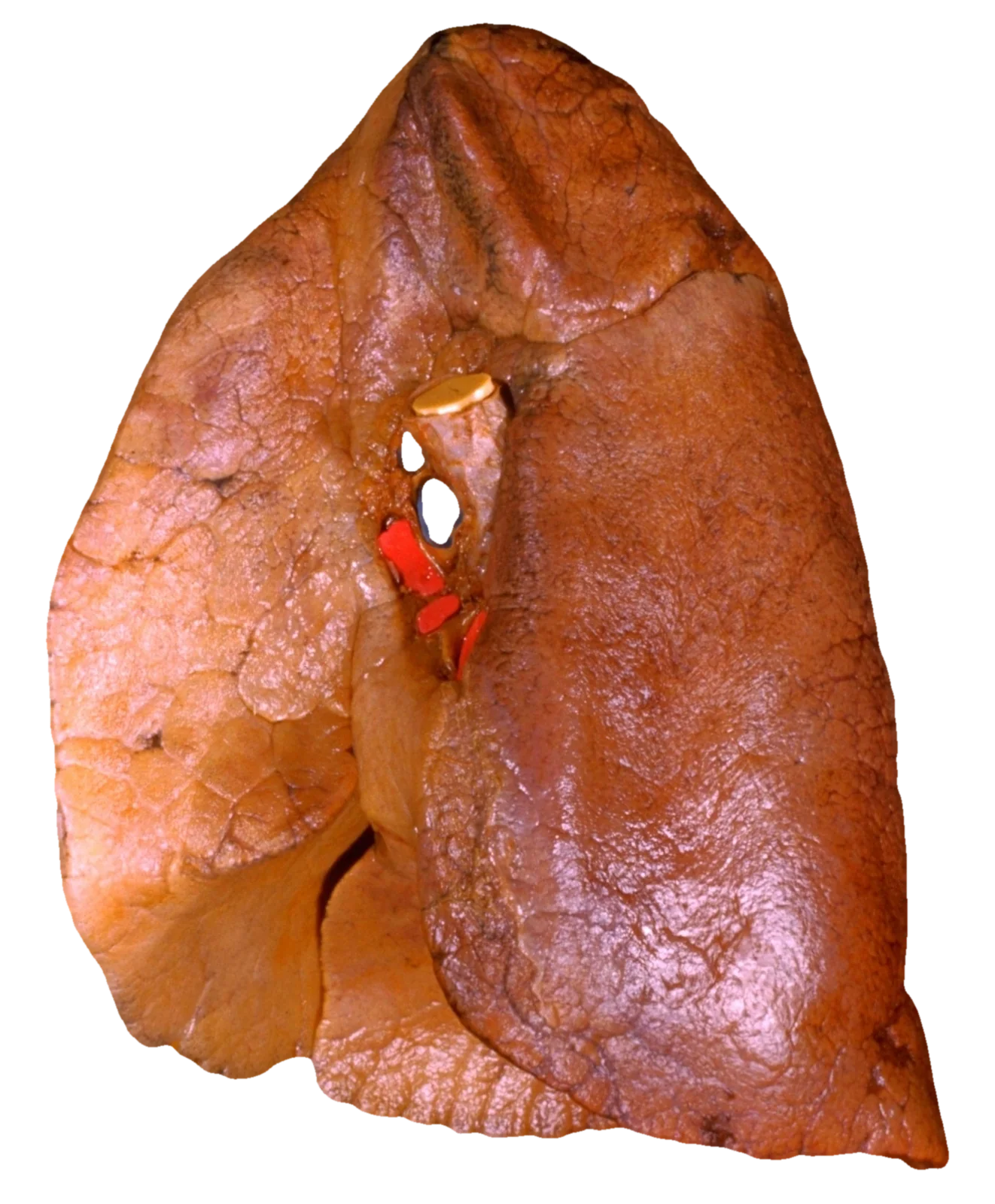
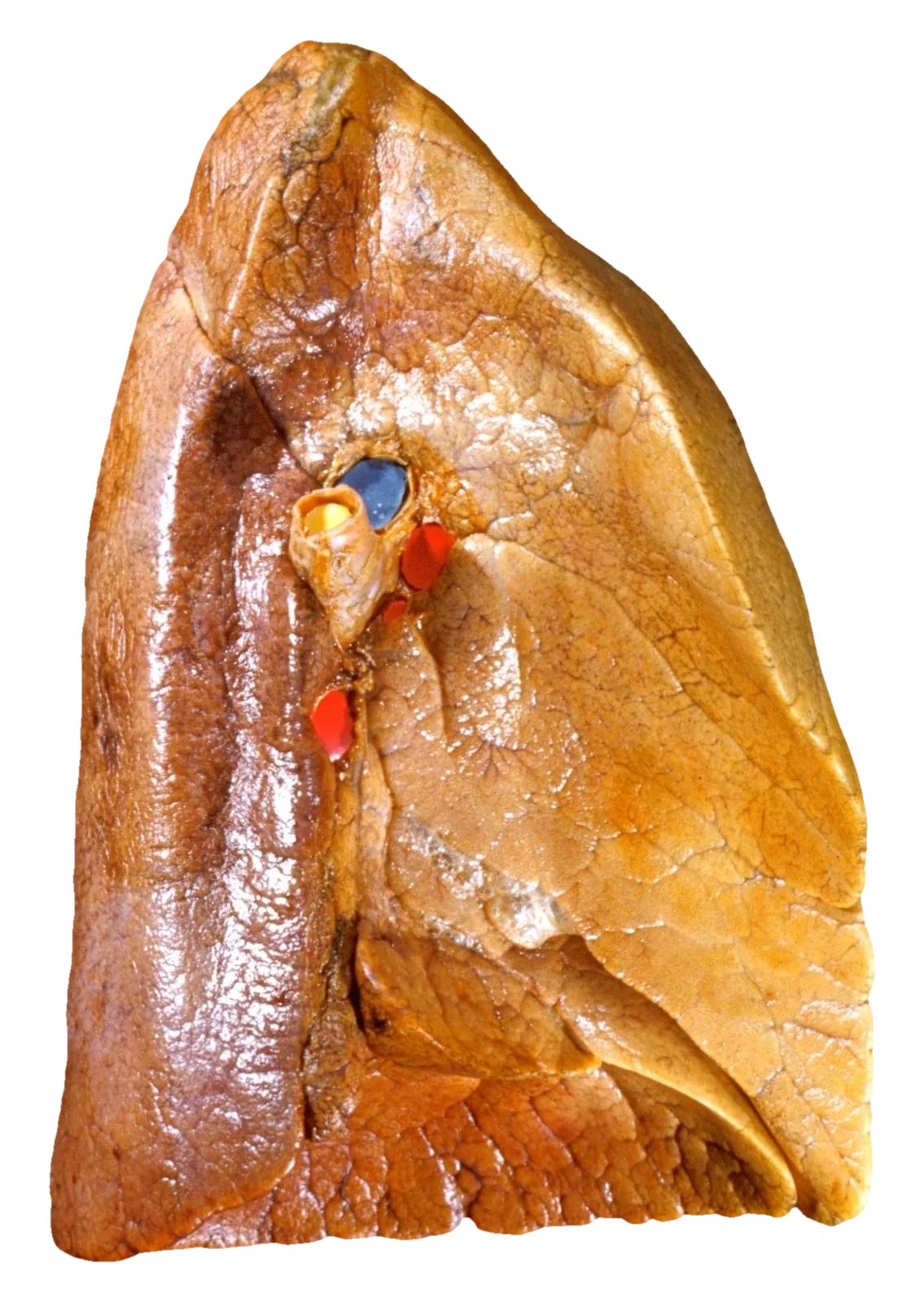
Thorax
4 photographs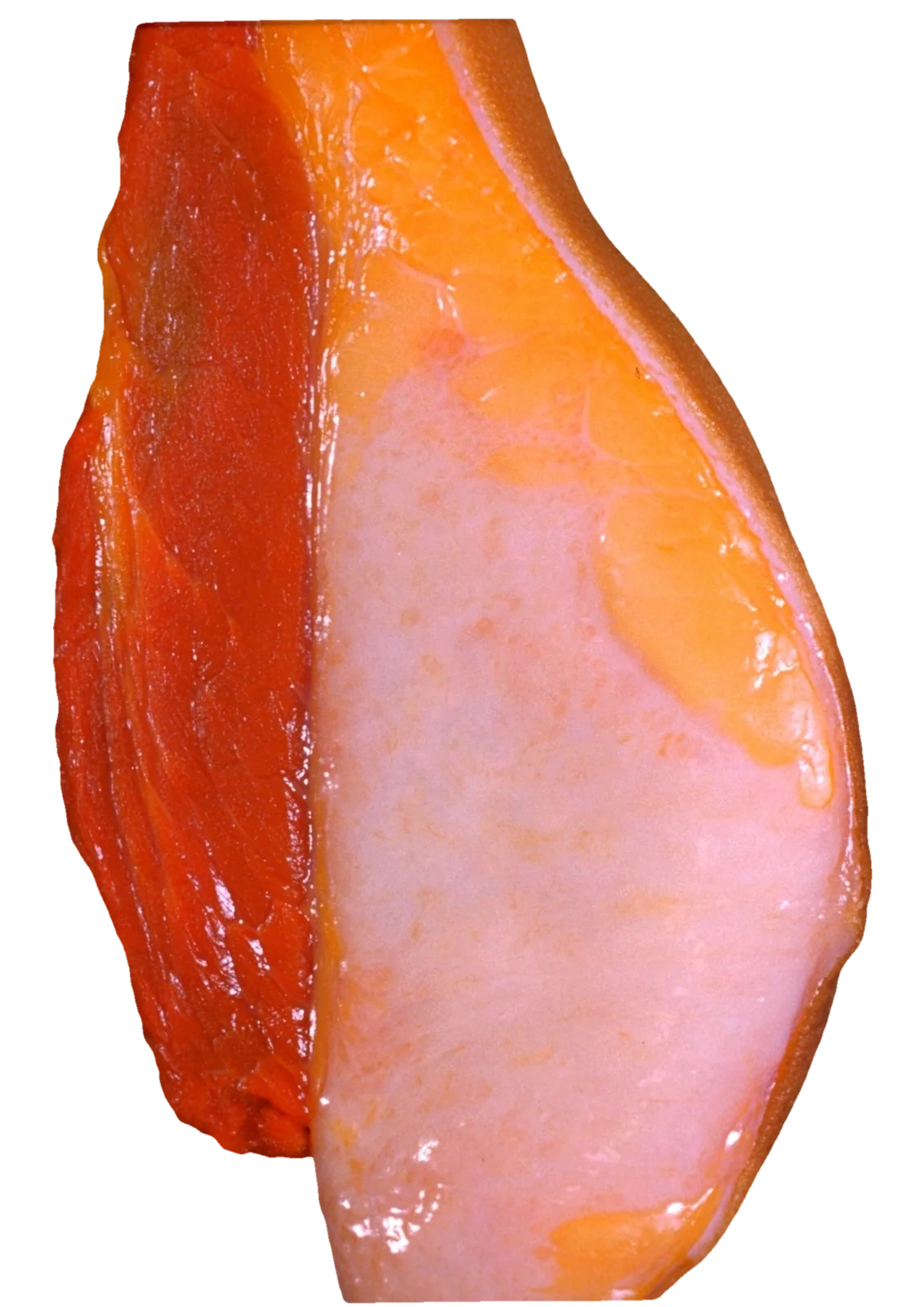
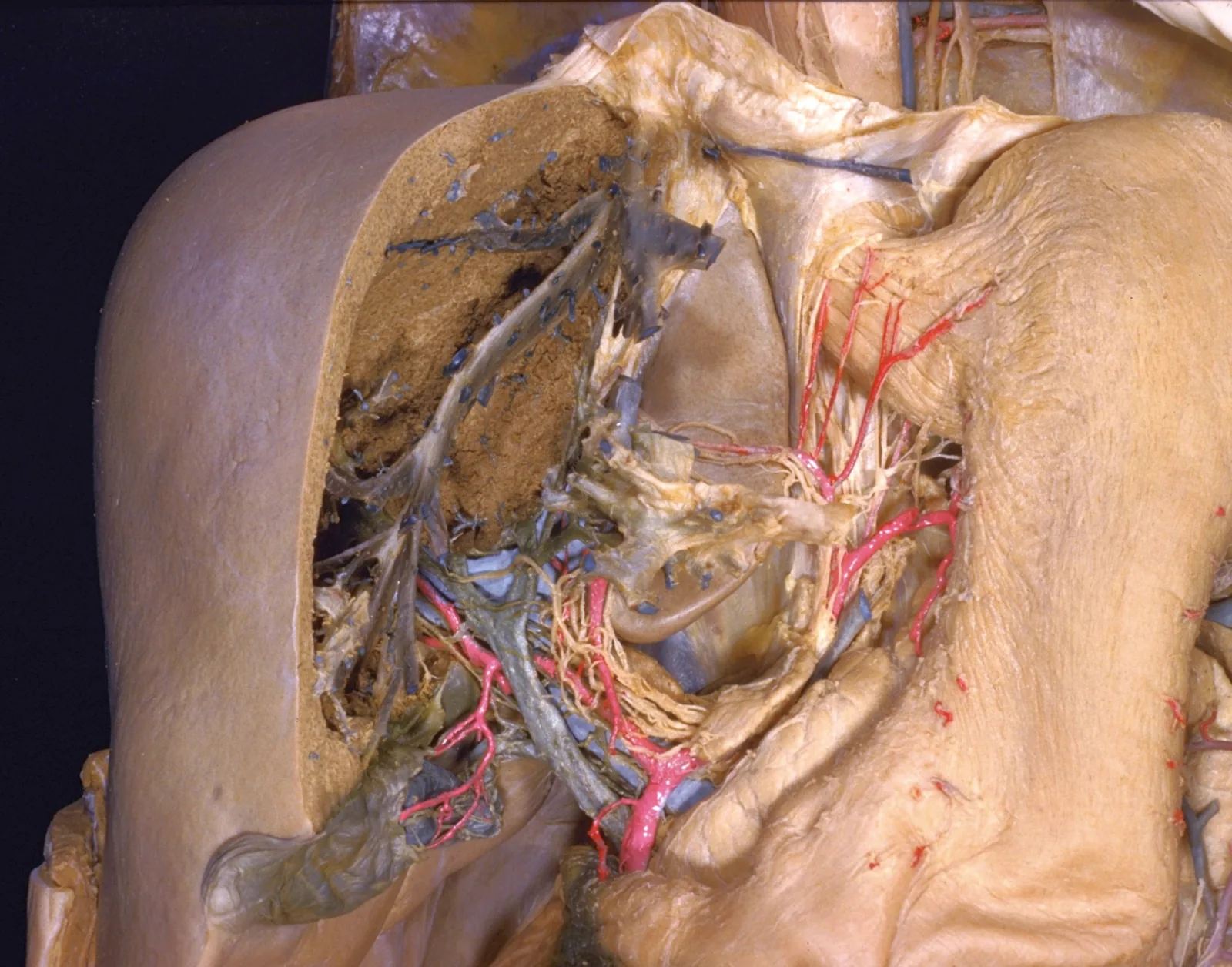
Abdomen and pelvis
17 photographs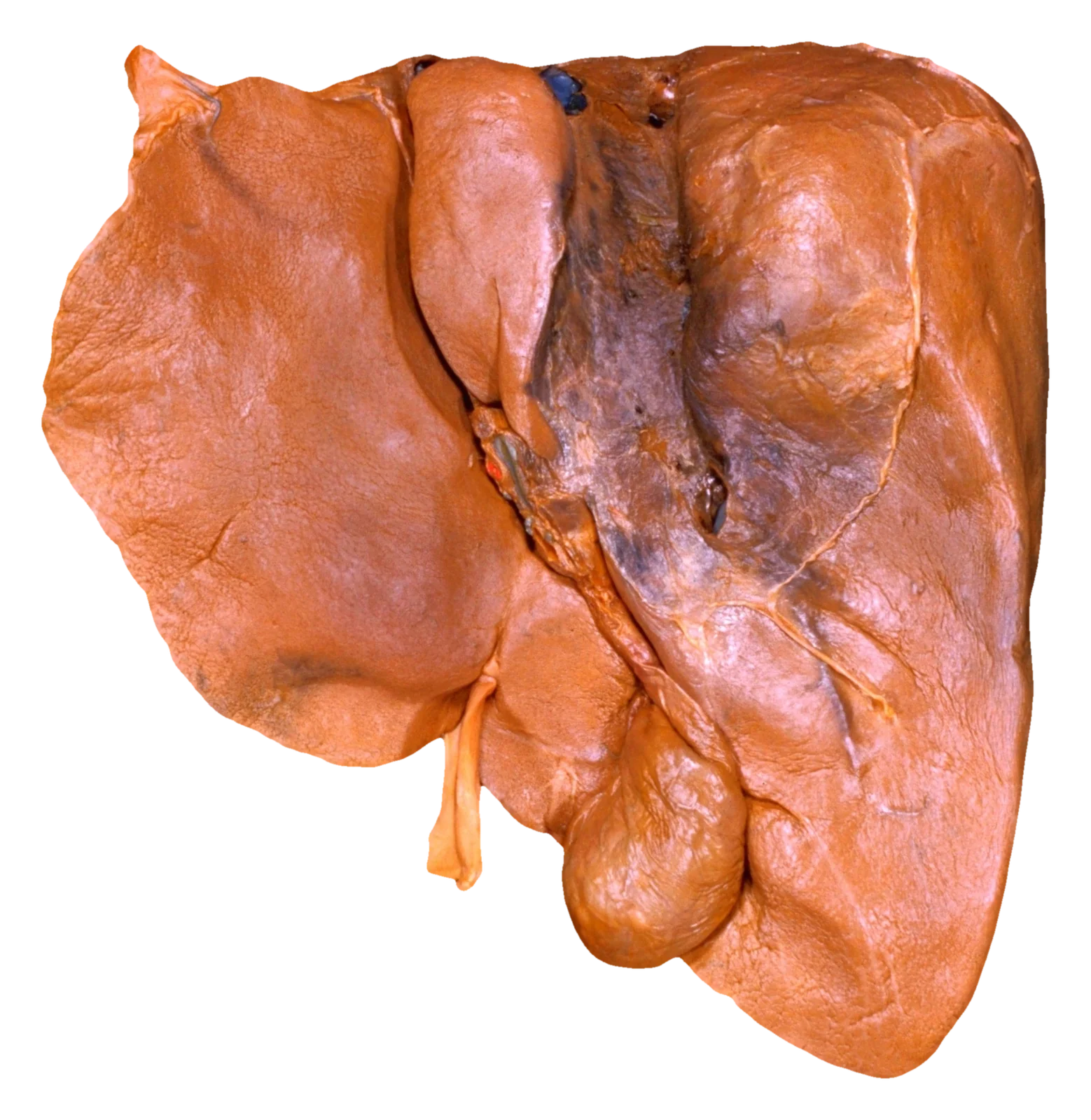
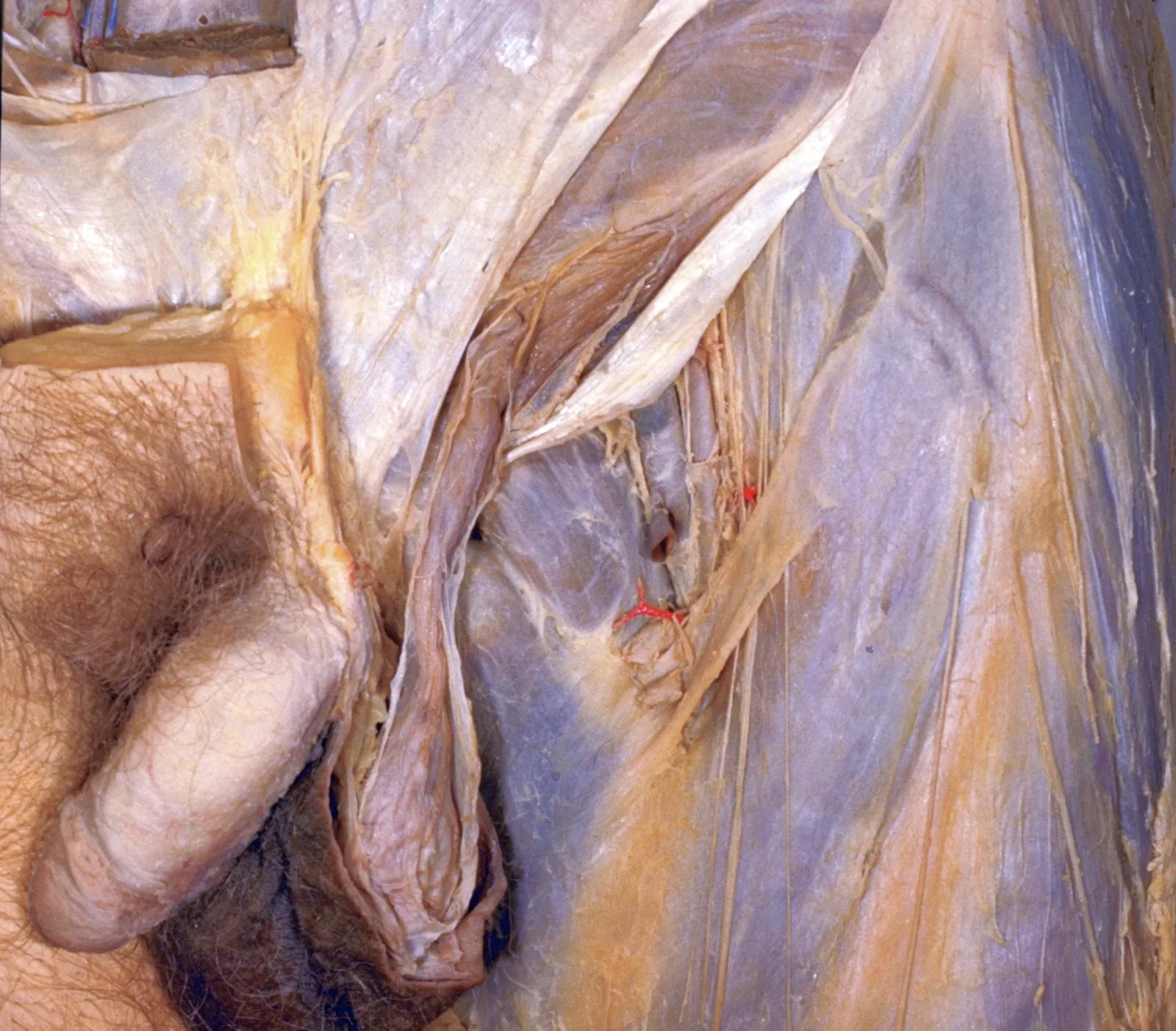
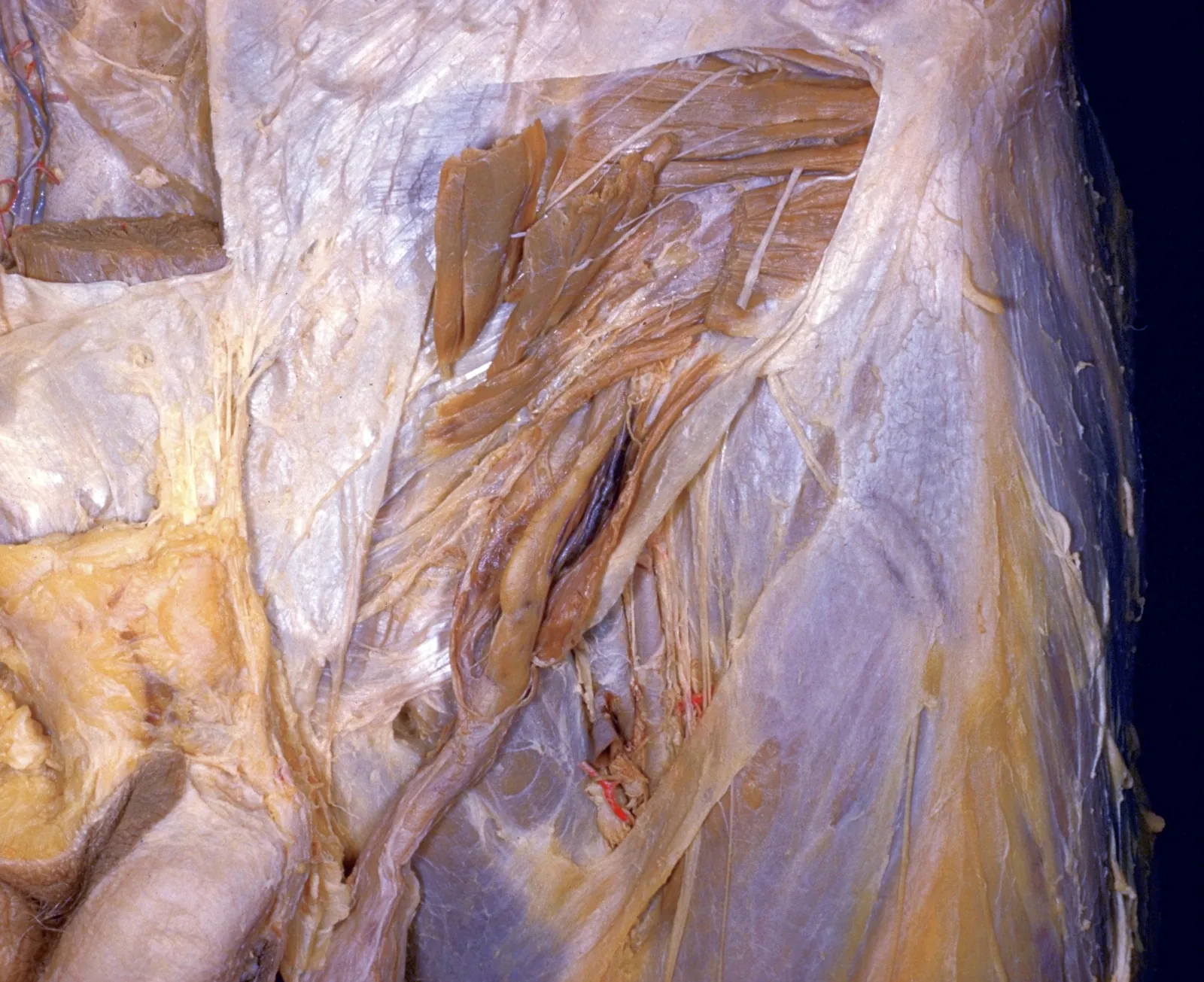
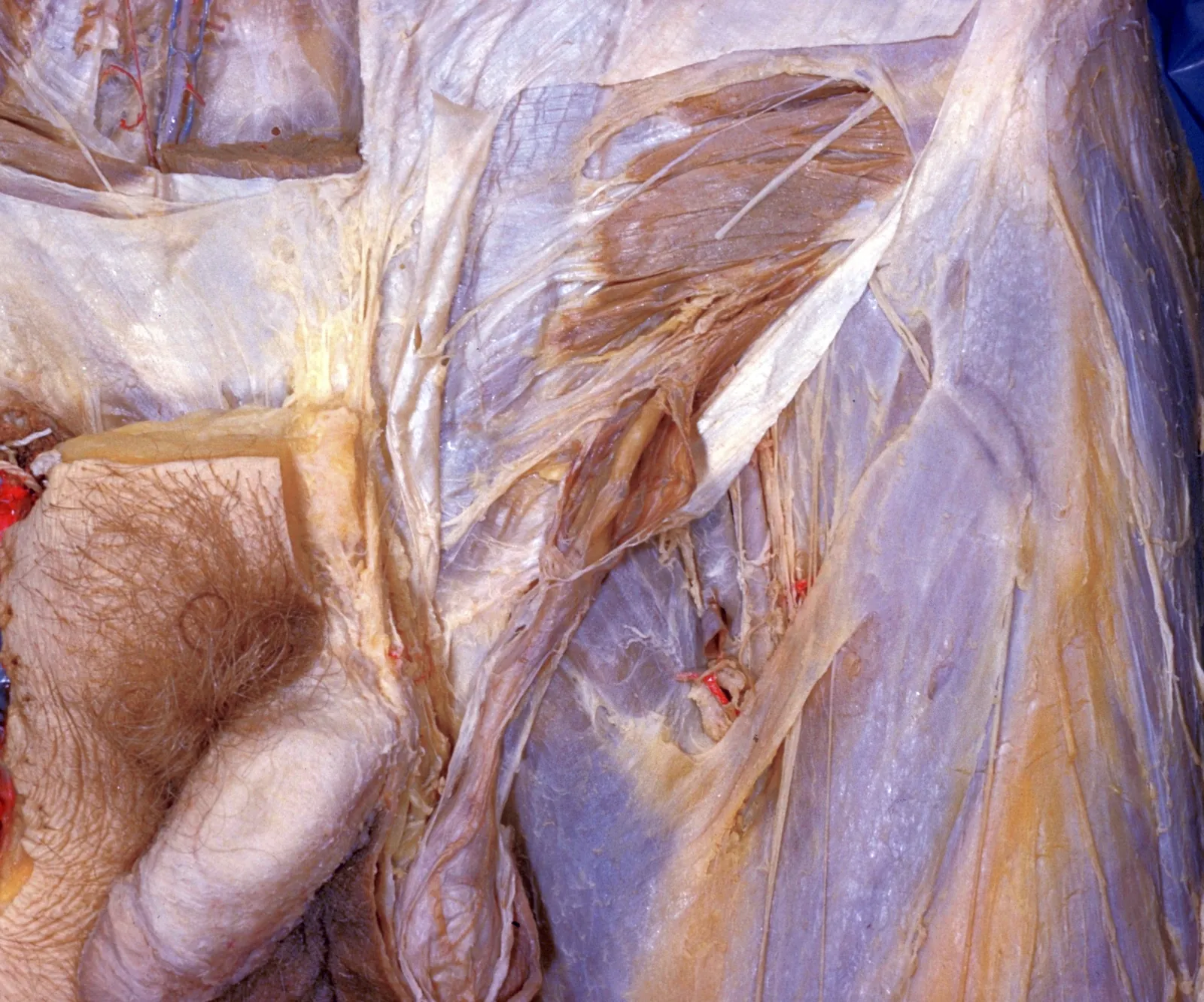
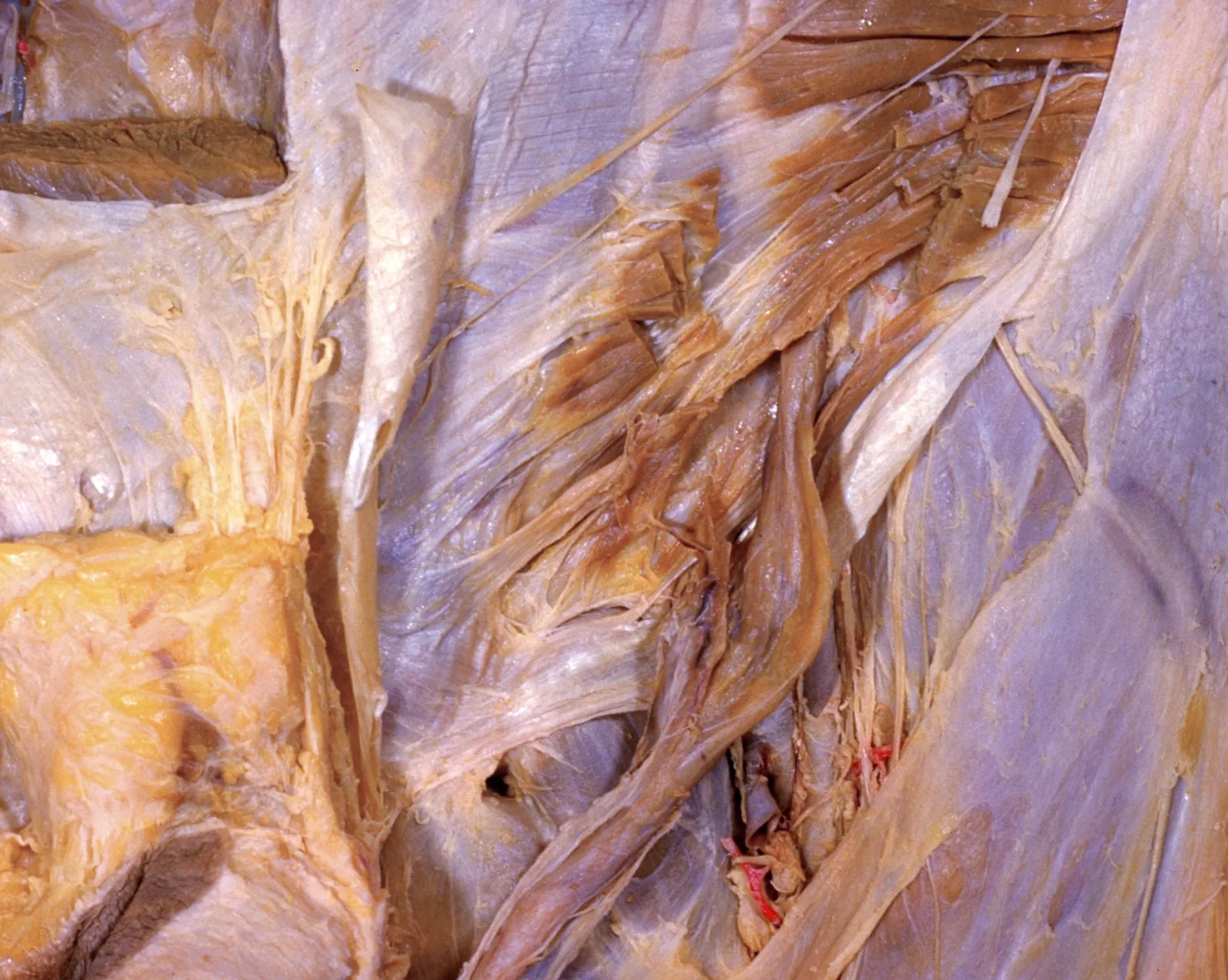
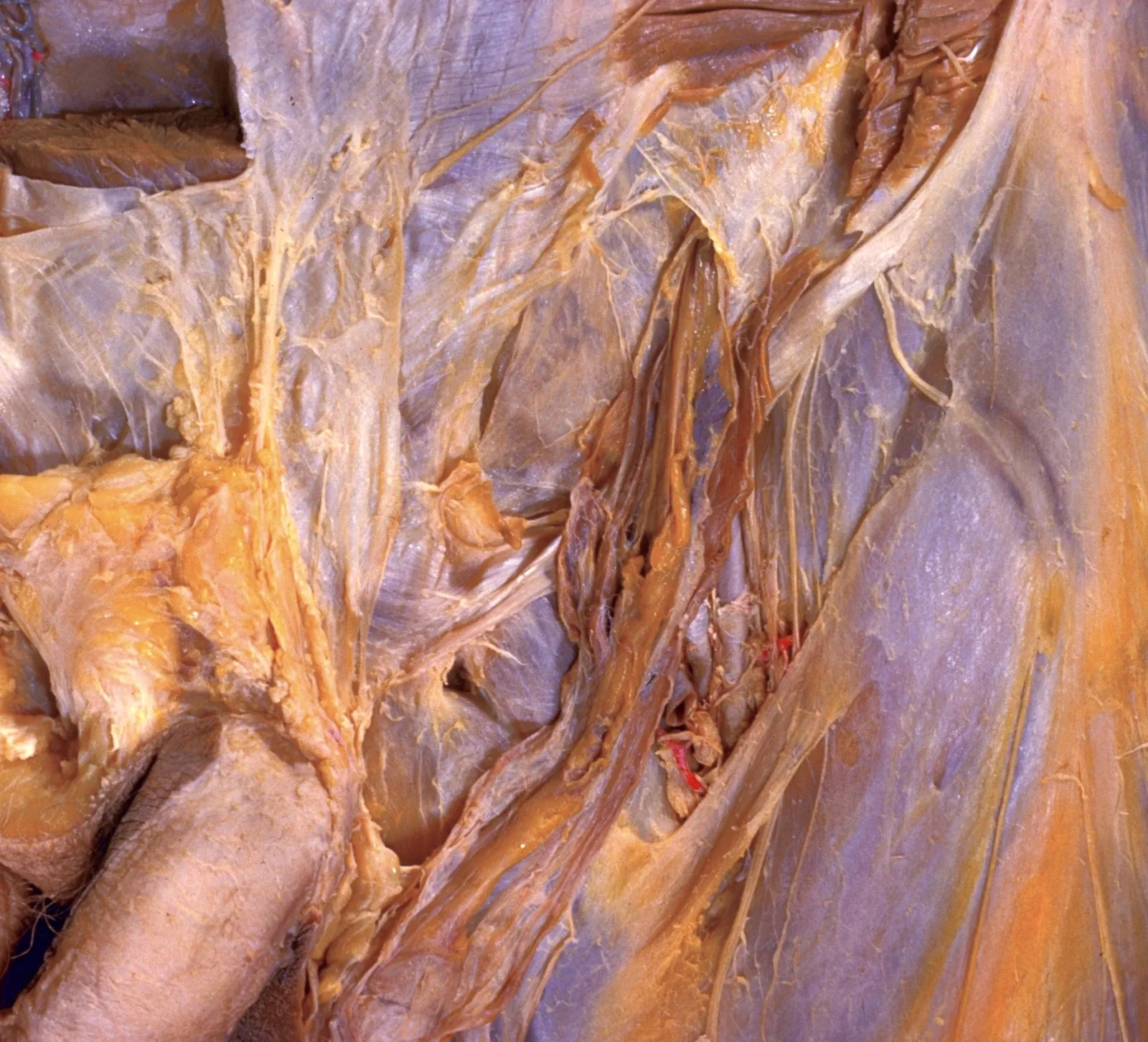
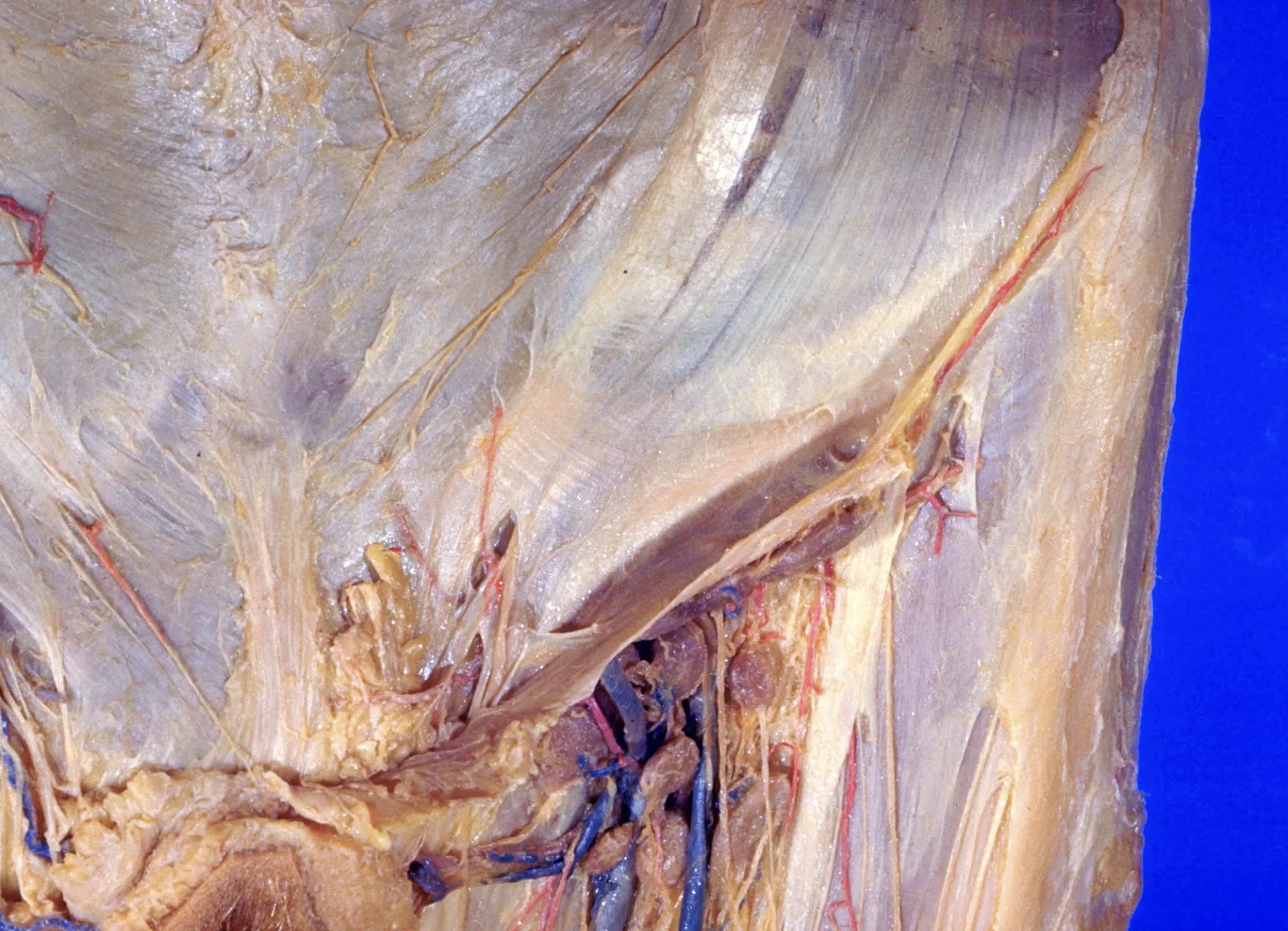
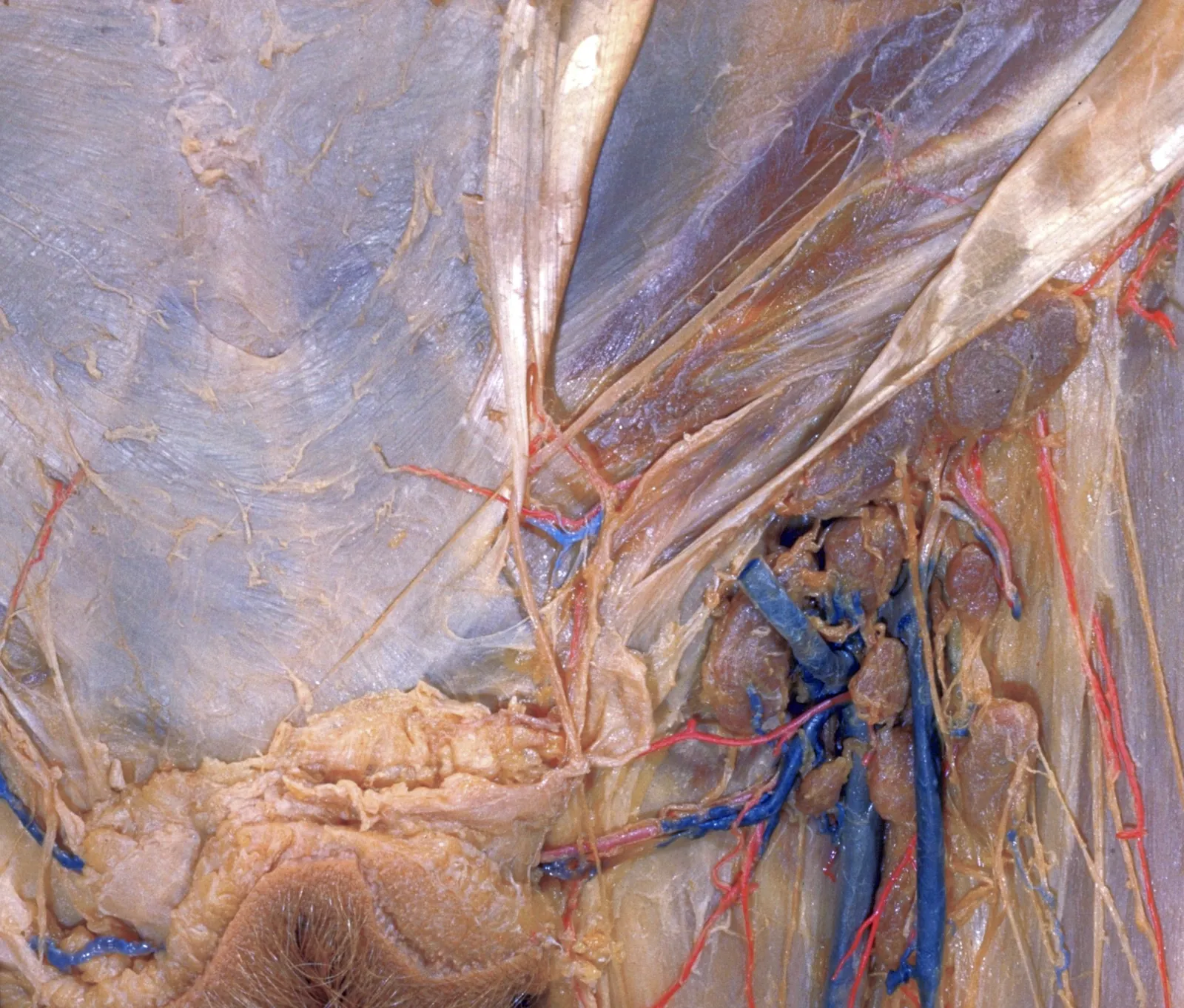
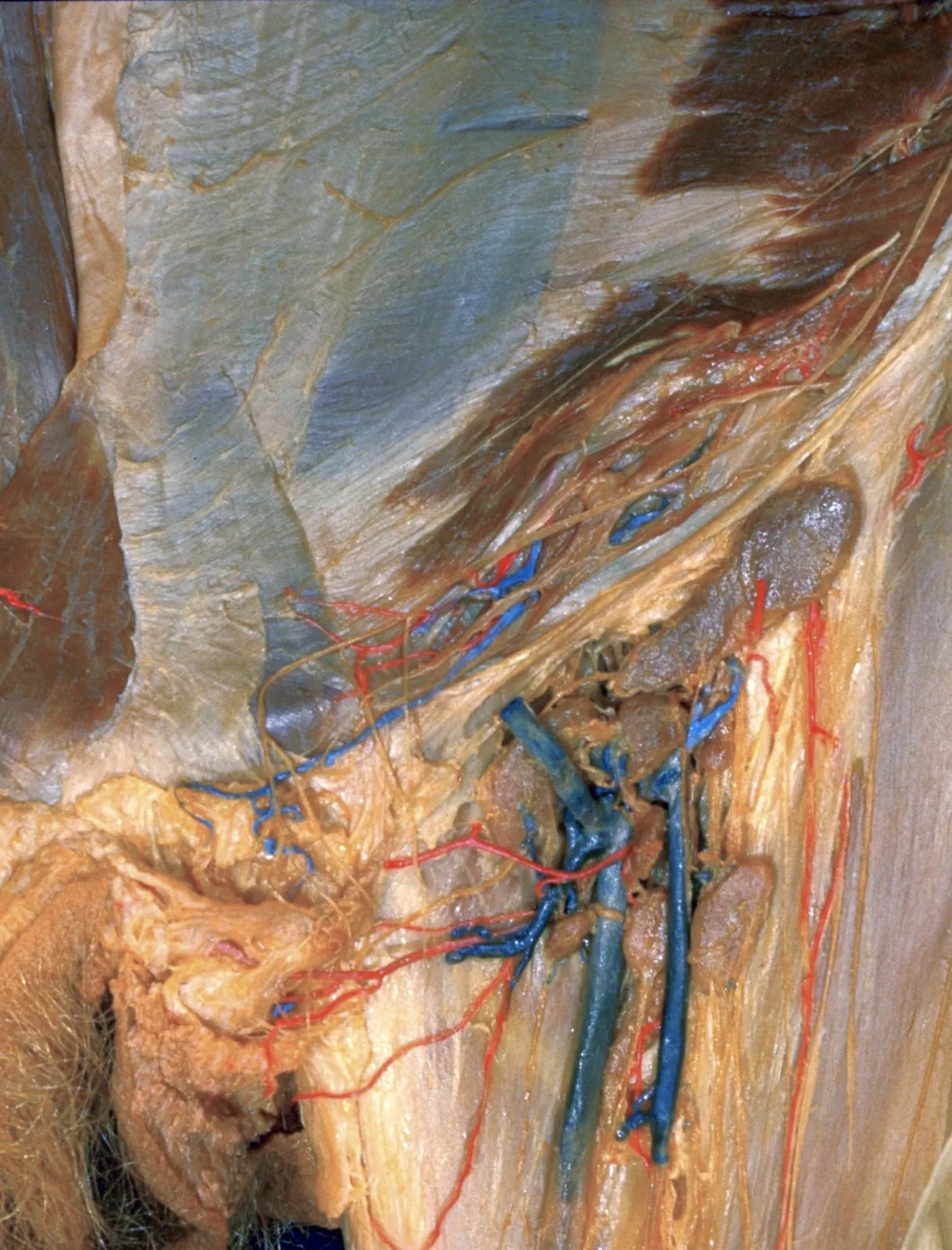
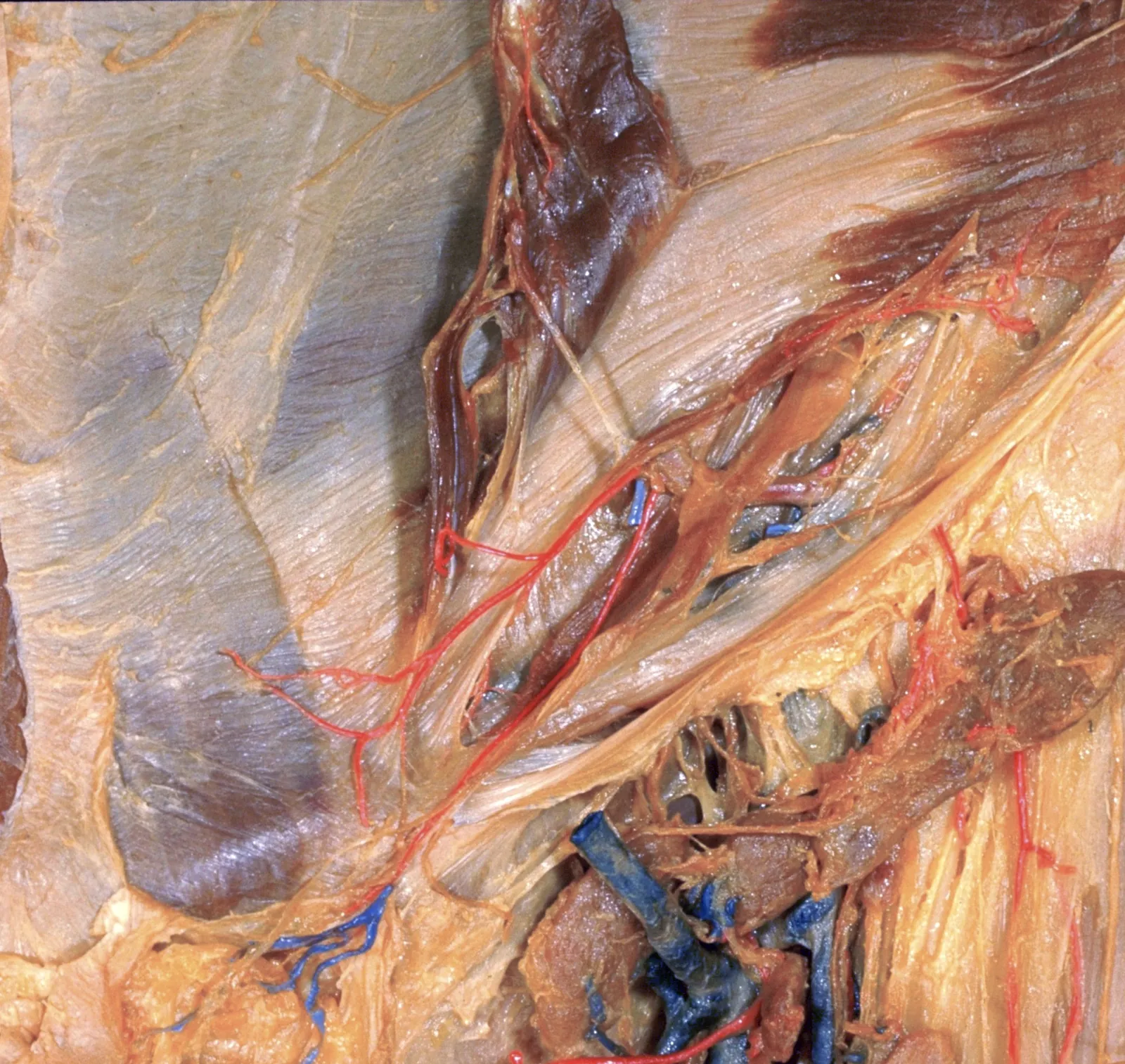
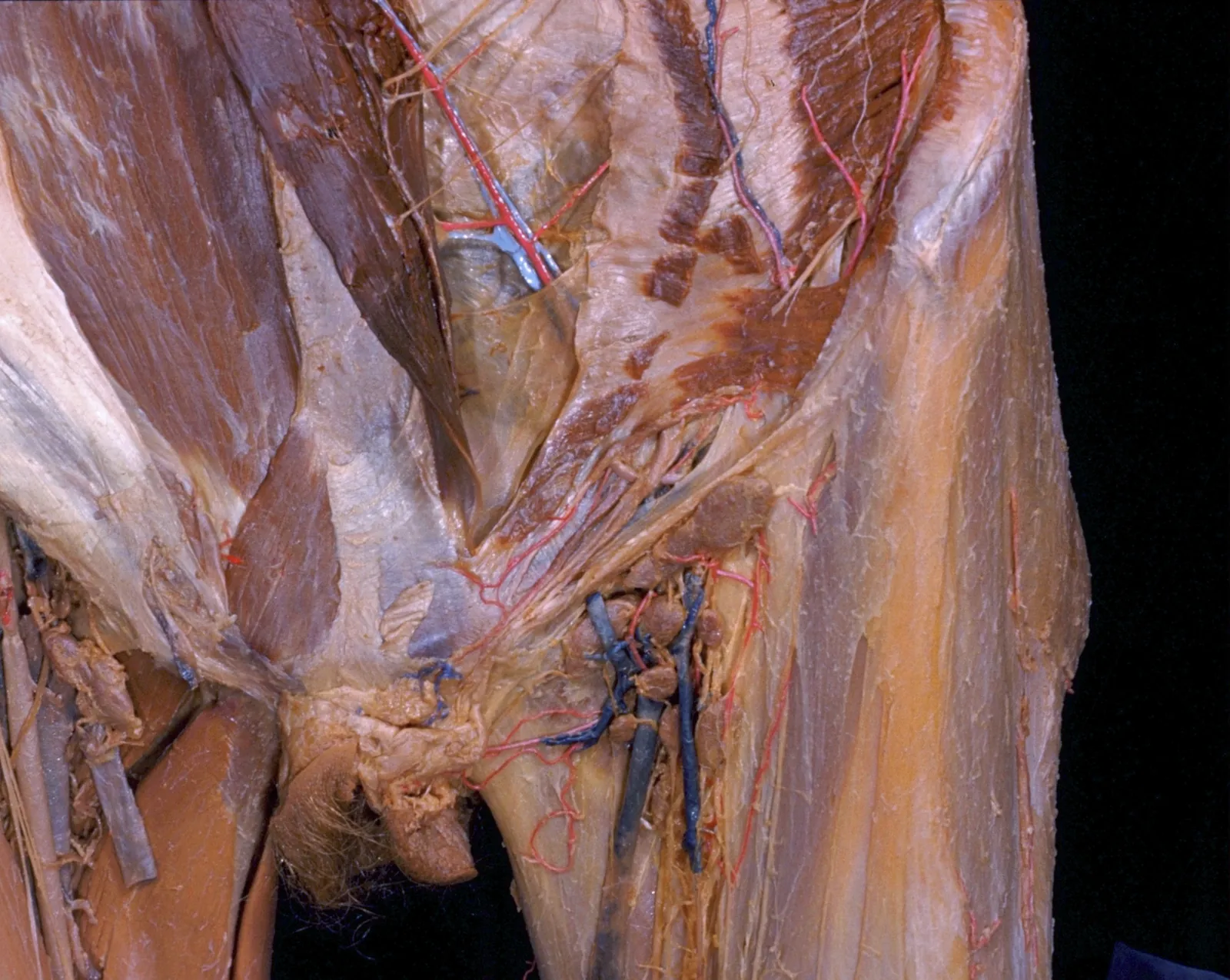
Lower limb
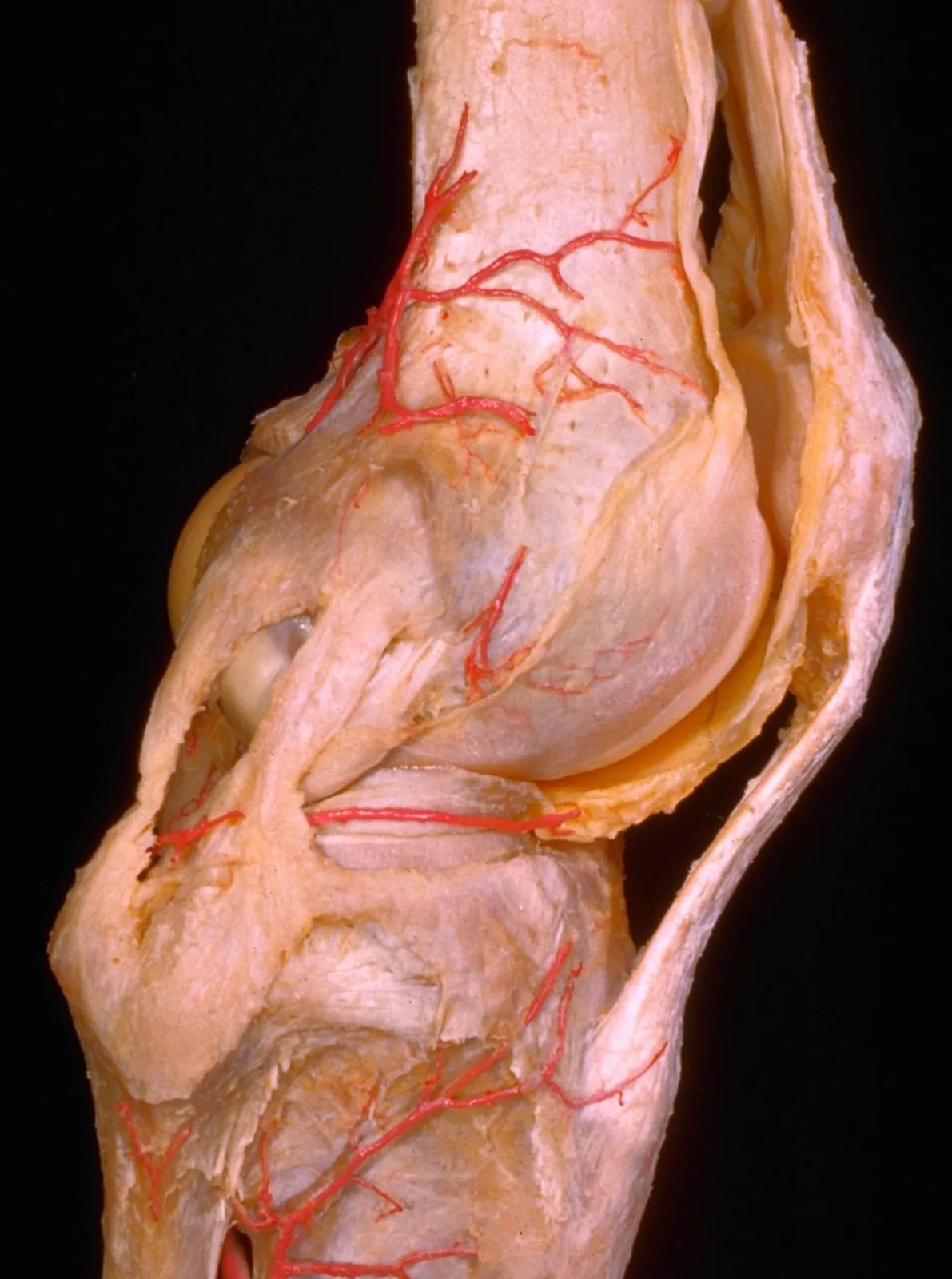
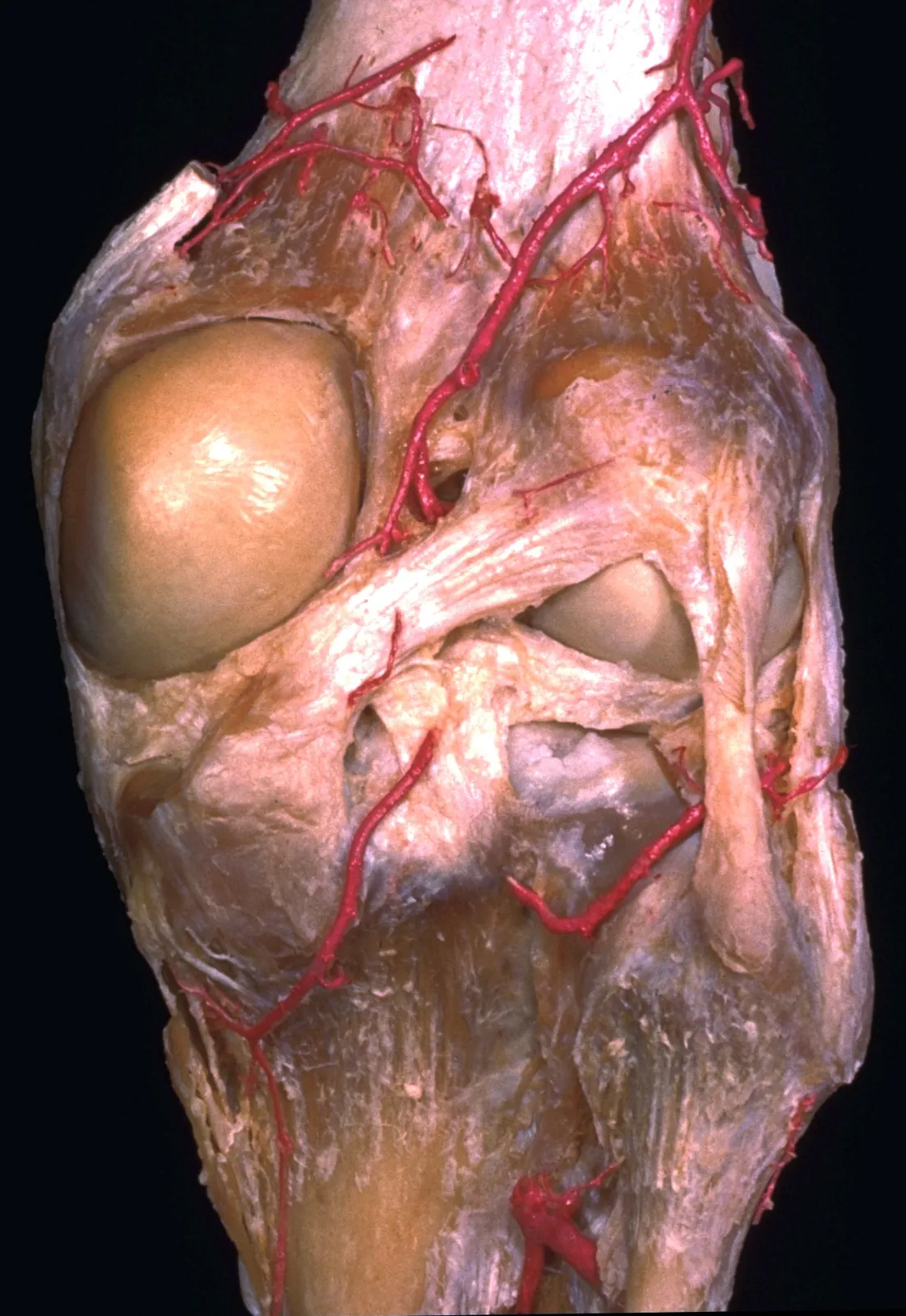
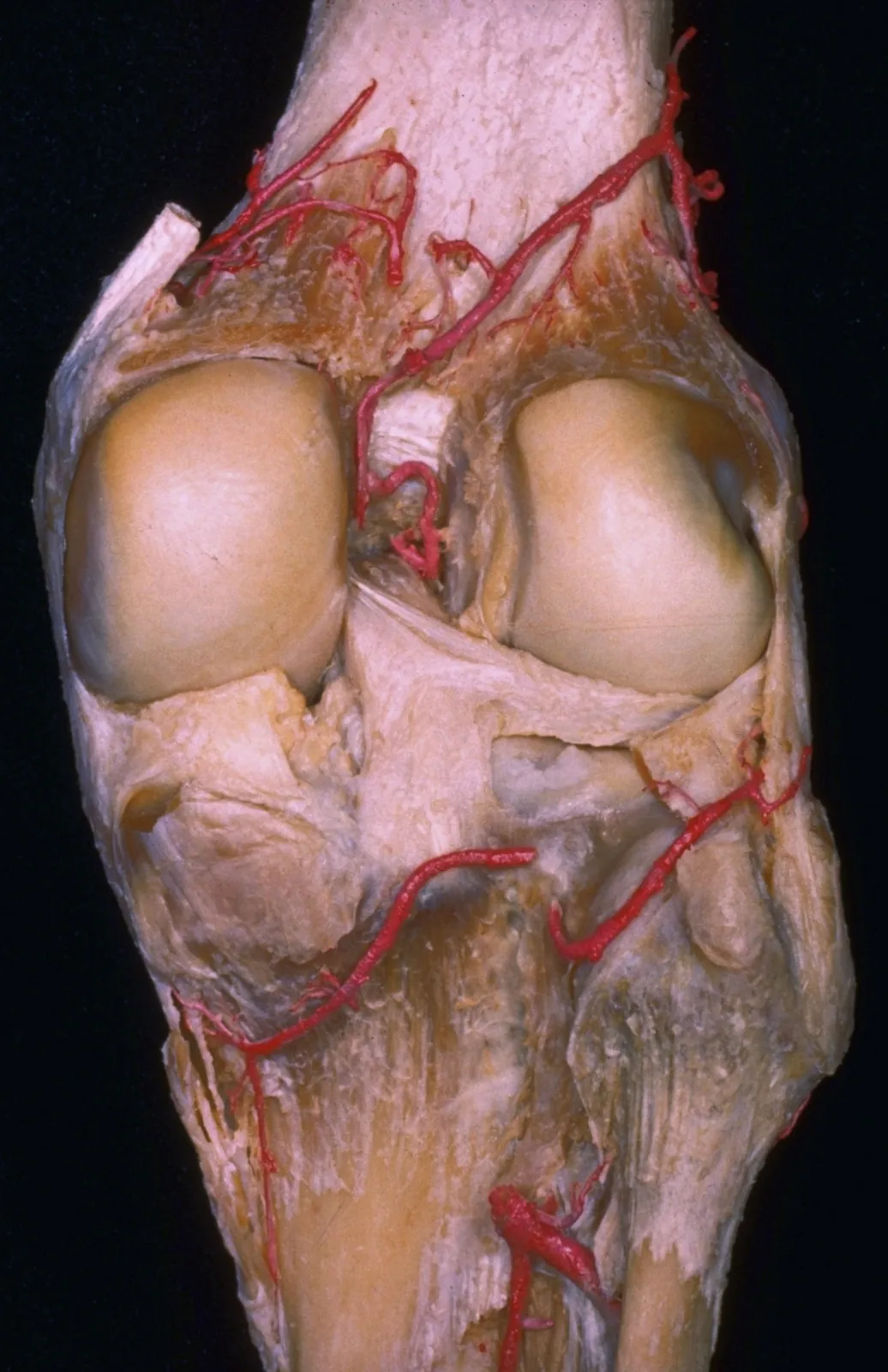
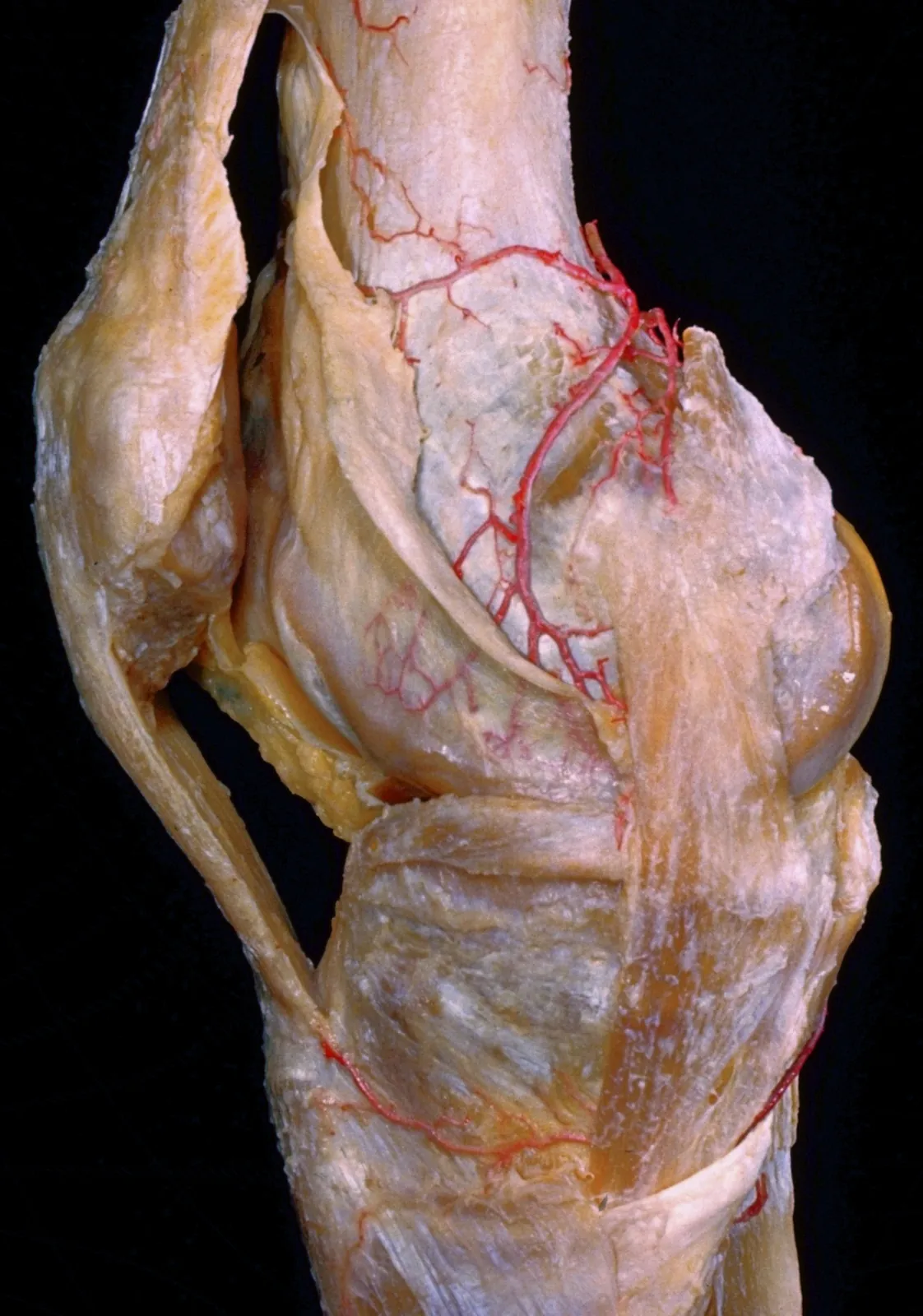
16 photographs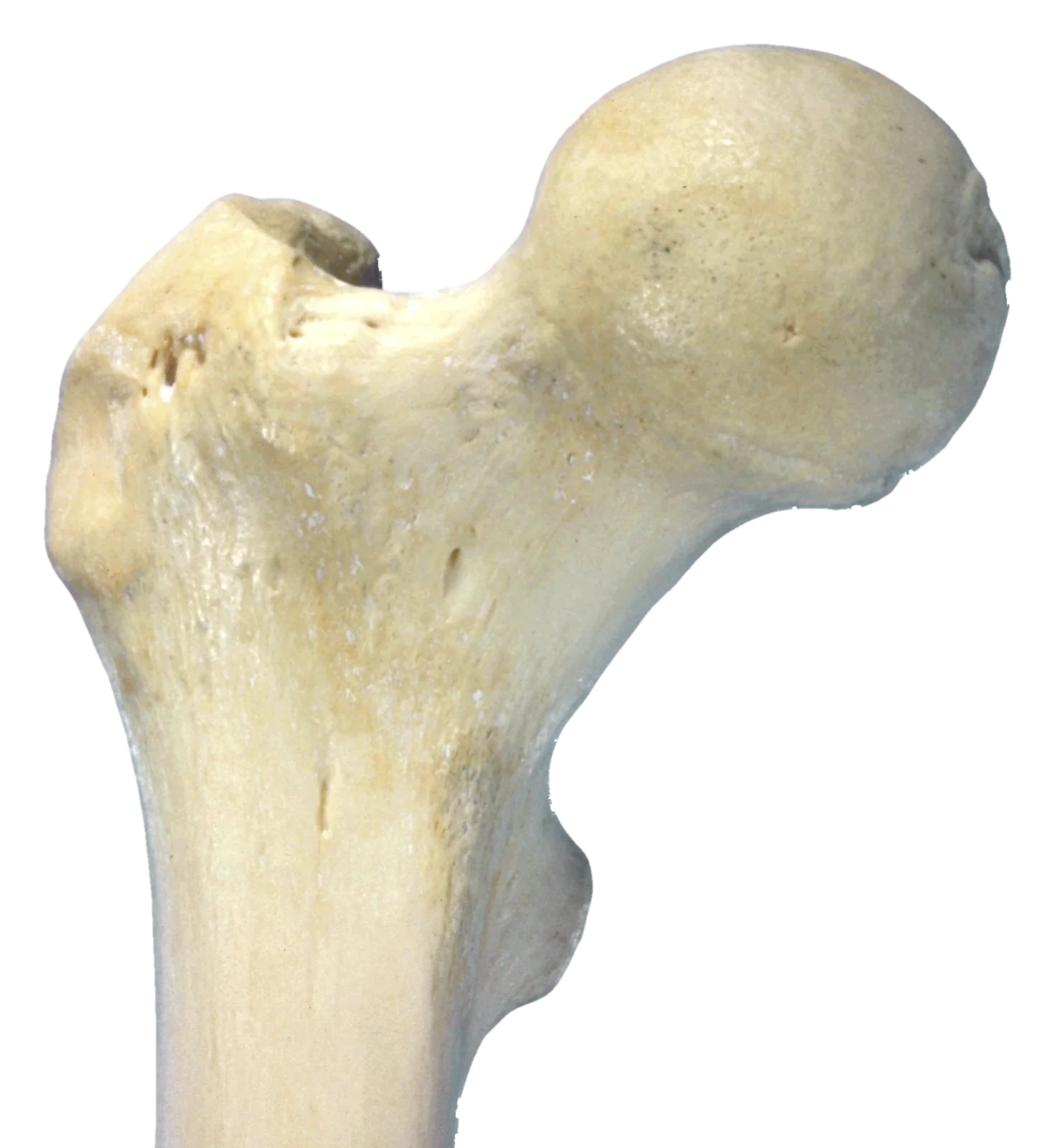
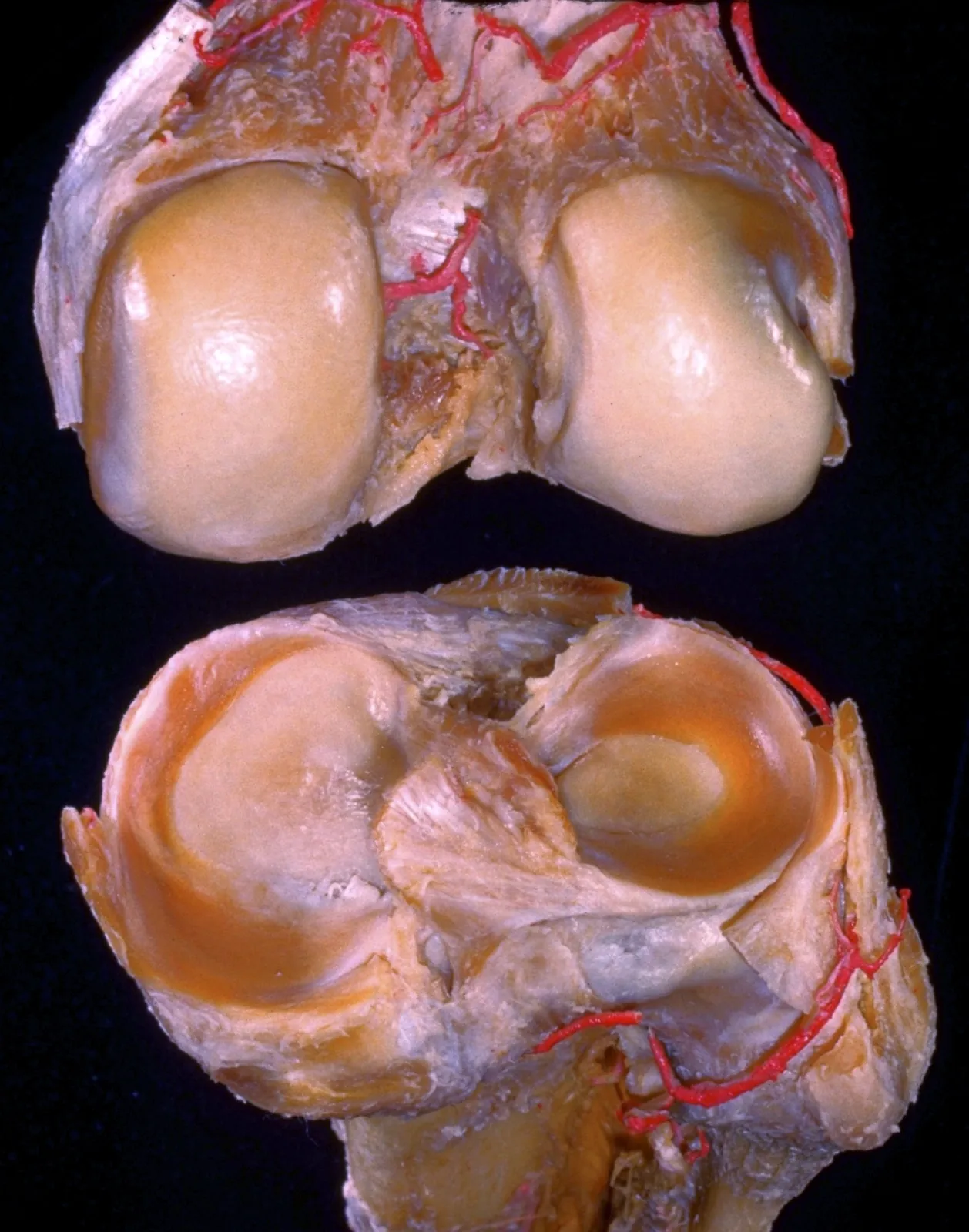
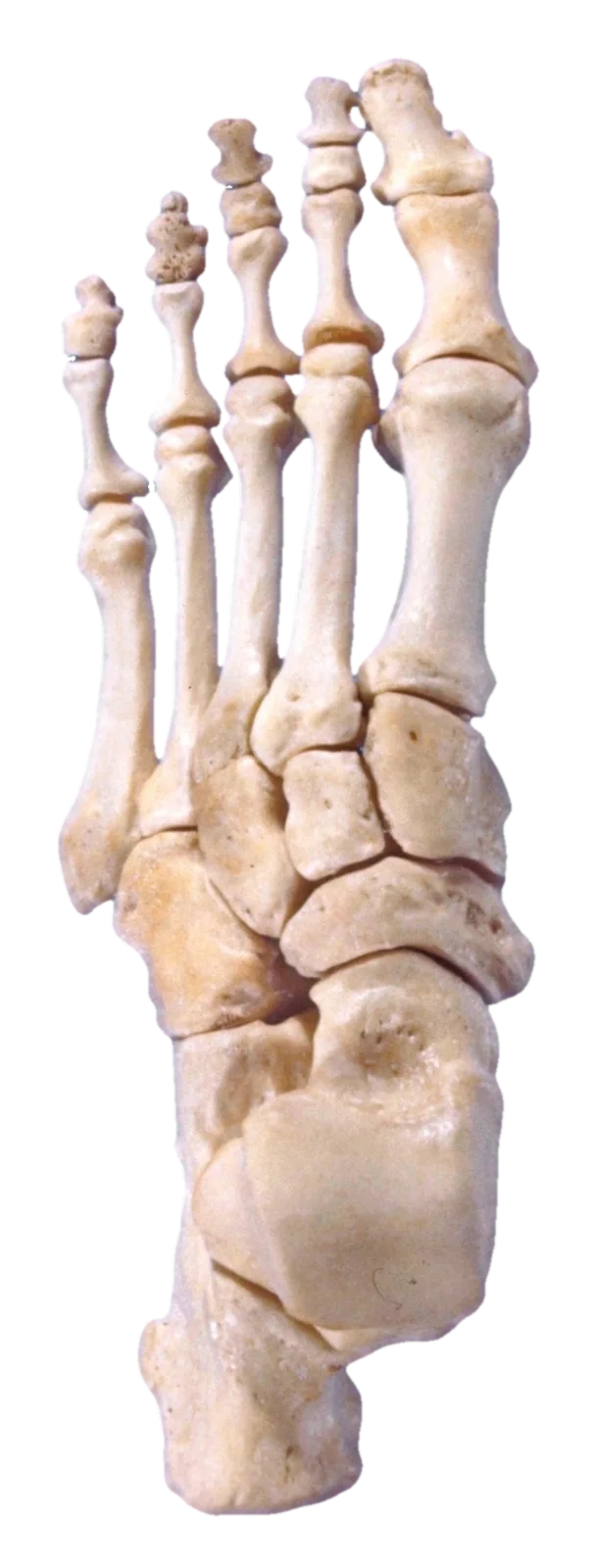
Spine
2 photographs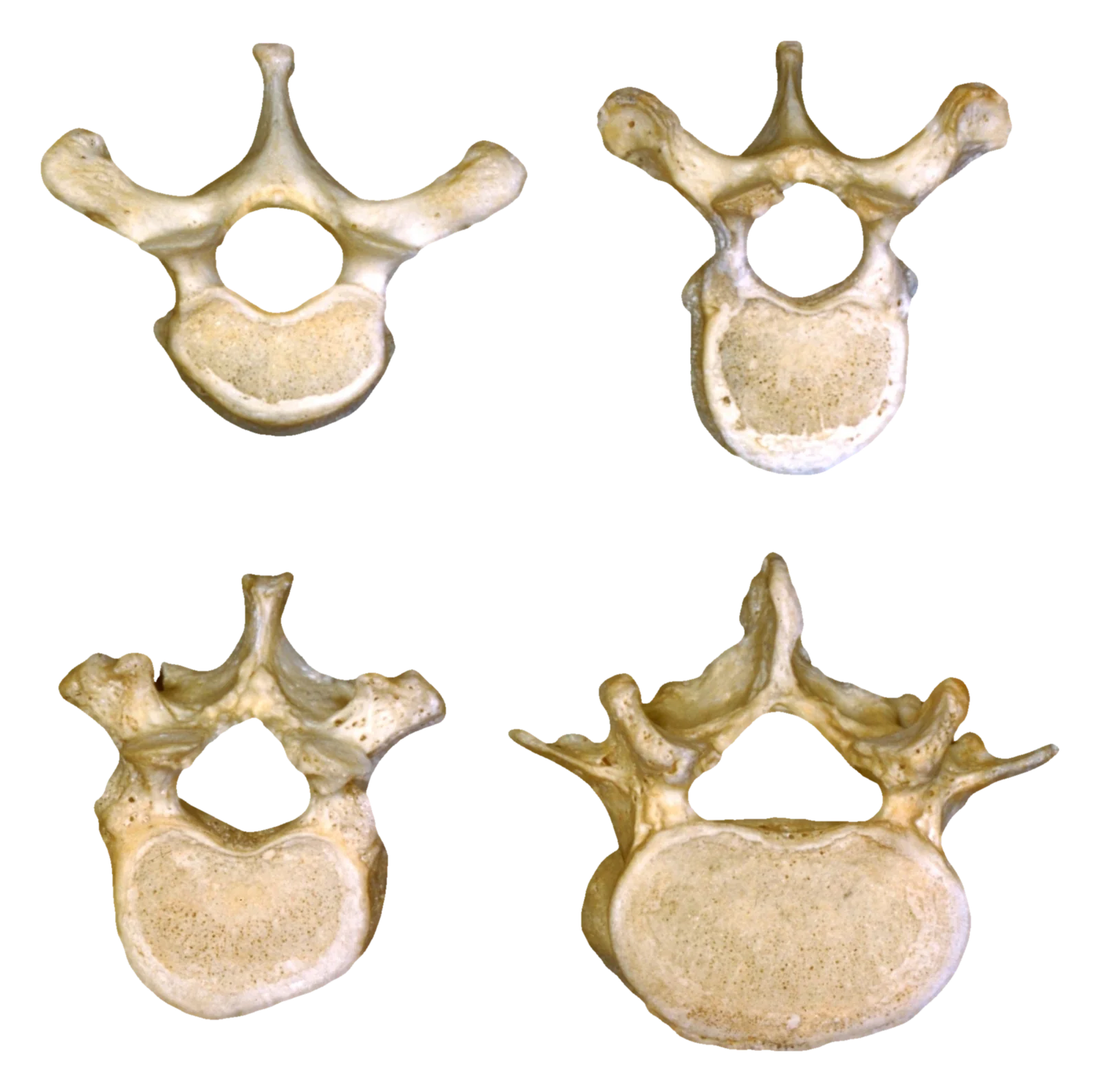
About the photographs
The dissections were made by the anatomist David L. Bassett, MD (1913–1966) and photographed in stereo by William B. Gruber, the inventor of the View-Master, in a collaboration of seventeen years that began in 1948. The result, the Stereoscopic Atlas of Human Anatomy, holds 1,547 photographs of serial dissections and has been called the most complete photographic record of human dissection ever made.
Bassett’s children gave the collection to Stanford University School of Medicine, and its Lane Medical Library has published it free online since 2008. Stanford holds the copyright and publishes the images under the Creative Commons Attribution-ShareAlike 4.0 licence.
For MRCS Part A & B we removed the photographic backdrop (or cropped the frame), numbered the structures from Bassett’s own key to each image, and wrote the captions. Our labelled versions are published under the same licence, so you are free to reuse them with credit. Stanford does not endorse MRCS Part A & B.
References
- Bassett Collection of Stereoscopic Images of Human Anatomy. Lane Medical Library, Stanford University School of Medicine.
- White T. Body dissection photos reveal hidden beauty. Stanford Medicine News Center, 6 January 2009.
- Chase RA. The Bassett Atlas of Human Anatomy. ISBN 978-0-8053-0118-2.
- Creative Commons Attribution-ShareAlike 4.0 International licence (CC BY-SA 4.0).
Start with 20 free questions
Create a free account with Google, Microsoft or your email and go straight into the sample bank, today's Daily Five and your readiness dashboard. No card required.